Marsilea
Marsilea · Accepted scientific name
Scientific literature: Very Sparse (0 studies) · ★☆☆☆☆
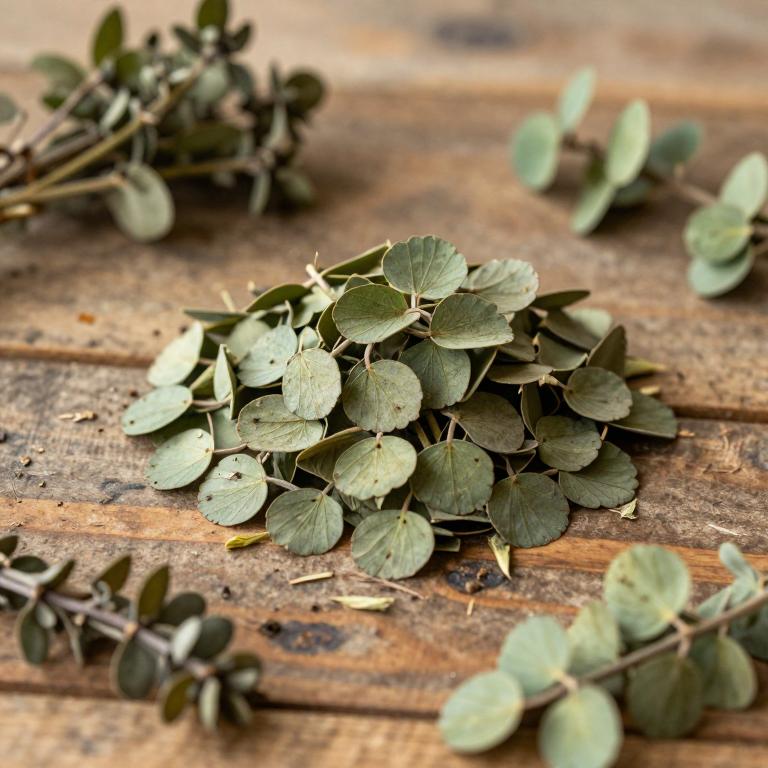
Marsilea is a fascinating genus of aquatic ferns that thrives in wetland environments across the globe. These unique plants are characterized by their four-leaf clover-like appearance, which distinguishes them from many other aquatic species. As they grow in nutrient-rich soils, they play a vital role in managing the presence of minerals such as arsenic within their ecosystems. Their ability to adapt to fluctuating water levels makes them resilient survivors in various marshy habitats. Understanding their biological processes provides valuable insight into how aquatic vegetation interacts with chemical elements in the water.
- Synonyms
- Lemma · Spheroidia
- Common names
- Not available
- Family
- Marsileaceae
- Distribution
- Not available
- Plant Parts
- Not available
Classification
Common Names
Marsilea is a unique genus of aquatic plants that is recognized by many different local names across various regions. In English-speaking areas, it is frequently referred to by the common name Helicopter Ferns due to its distinctive spore cases. In Dutch-speaking territories, you may encounter it known as Klaverbladvarens, Kleefarn, or Kleefarne. It is also sometimes identified by the name Marsilée in certain botanical contexts. Understanding these various aliases helps enthusiasts identify this fascinating plant regardless of the terminology used.
Sources: Catalogue of Life (COL)
Synonyms
Marsilea is a fascinating genus of water ferns that has been subject to various taxonomic revisions over time. In botanical literature, researchers often encounter the name Lemma as a formal synonym for this group. Additionally, the term Spheroidia has historically been used to describe certain stages or classifications within the genus. These overlapping names reflect the complex history of how scientists have categorized these aquatic plants. Understanding these synonyms is essential for anyone navigating the diverse records of botanical nomenclature.
Sources: The World Checklist of Vascular Plants (WCVP)
Taxonomy
Marsilea belongs to the vast kingdom Plantae, encompassing a diverse array of living botanical organisms. Within this kingdom, the plant is classified under the class Equisetopsida, marking its unique evolutionary lineage. It further falls into the order Salviniales, a group known for its specialized aquatic characteristics. Its specific botanical identity is defined by the family Marsileaceae, which houses several related species. Ultimately, this plant is categorized under the genus Marsilea, distinguishing it from all other members of its biological hierarchy.
| Rank | Classification |
|---|---|
| Kingdom | Plantae |
| Phylum | Streptophyta |
| Class | Equisetopsida |
| Subclass | Polypodiinae |
| Order | Salviniales |
| Family | Marsileaceae |
| Genus | Marsilea |
Sources: The World Checklist of Vascular Plants (WCVP)
Distribution
Geographic Regions
Marsilea exhibits a broad and diverse distribution across several distinct regions of the African continent. Within East Tropical Africa, this plant can be found spanning through Kenya, Tanzania, and Uganda. Its presence extends beyond the mainland to include the unique environments of Macaronesia. Specifically, populations are established within the Azores and the Canary Islands. This wide geographical range highlights the plant's ability to adapt to various island and continental habitats.
Sources: The World Checklist of Vascular Plants (WCVP)
Identification
Biological Activities
Compounds
Conditions
Marsilea serves as a highly effective candidate for the phytoremediation of arsenic-contaminated paddy fields. Among the aquatic plants studied in West Bengal, this fern species demonstrated the highest Specific Arsenic Uptake with an average of 45 mg kg⁻¹ dw. This significant capacity to accumulate arsenic through ionic mimicry positions it as a valuable tool for environmental cleanup. While other aquatic species like Eichhornia crassipes and Cyperus difformis also show promise, Marsilea stands out due to its superior uptake levels. Consequently, utilizing this plant can help mitigate the widespread threat of arsenic pollution in local agricultural ecosystems.