Marrubium thessalum
Marrubium thessalum · Accepted scientific name
Scientific literature: Very Sparse (0 studies) · ★☆☆☆☆
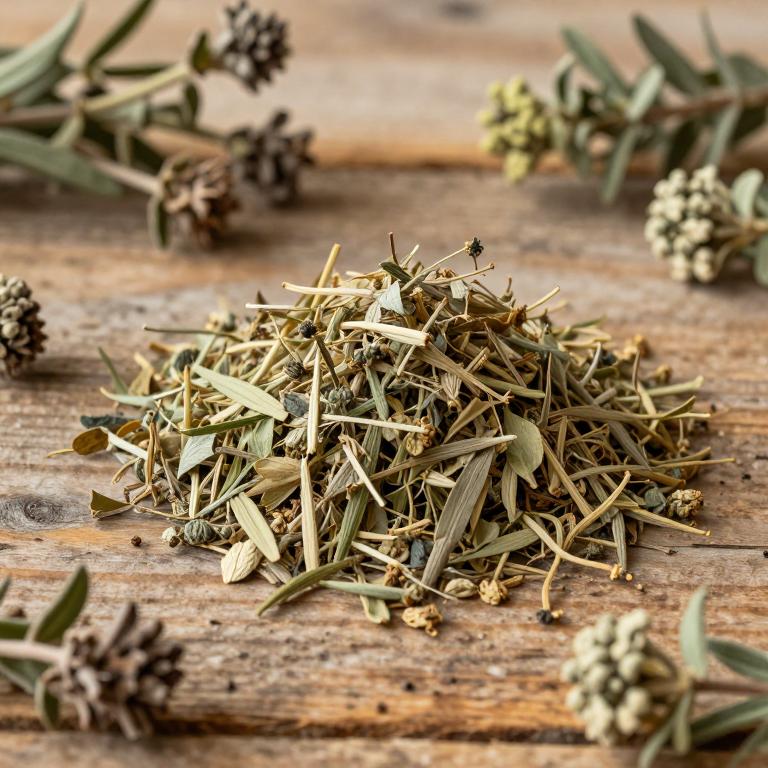
Marrubium thessalum, commonly known as white horehound, is a distinctive medicinal herb belonging to the Lamiaceae family. This plant is scientifically recognized for its complex chemical profile, which includes bioactive compounds such as (3S,5R)-Loliolide and 4',7-Dimethylapigenin. Furthermore, the presence of Deacetylvitexilactone and Salvigenin contributes to its diverse pharmacological potential. Researchers frequently study these specific constituents to understand the plant's therapeutic efficacy in traditional medicine. Understanding this chemical composition is essential for exploring its various applications in modern phytotherapy.
- Synonyms
- Not available
- Common names
- Not available
- Family
- Lamiaceae
- Distribution
- Not available
- Plant Parts
- Not available
Classification
Common Names
Marrubium thessalum is a distinct botanical species often recognized by its unique characteristics and medicinal potential. In certain linguistic contexts, this plant is referred to by the common name Шандра фессалийская. This nomenclature helps gardeners and herbalists identify the specific variety within diverse ecosystems. Understanding these naming conventions is essential for accurate classification and study. By linking scientific names to common terms, researchers can better document the plant's global presence.
Sources: Catalogue of Life (COL)
Taxonomy
Marrubium thessalum is a distinctive botanical specimen belonging to the kingdom Plantae. Within this vast kingdom, it is classified under the class Equisetopsida. Its taxonomic journey continues through the order Lamiales, which defines many of its structural characteristics. Furthermore, the plant is a member of the Lamiaceae family, a group known for its diverse herbal qualities. Finally, it is categorized under the specific genus Marrubium, solidifying its unique identity in the natural world.
| Rank | Classification |
|---|---|
| Kingdom | Plantae |
| Phylum | Streptophyta |
| Class | Equisetopsida |
| Subclass | Magnoliidae |
| Order | Lamiales |
| Family | Lamiaceae |
| Genus | Marrubium |
Sources: The World Checklist of Vascular Plants (WCVP)
Distribution
Geographic Regions
Marrubium thessalum is a botanical species primarily characterized by its specific geographic footprint. Its natural distribution is concentrated within the diverse landscapes of Europe. More specifically, the plant thrives throughout the regions of Southeastern Europe. Greece serves as a significant stronghold for its growth and presence in the wild. Understanding these localized habitats is essential for studying the plant's ecological role.
Sources: The World Checklist of Vascular Plants (WCVP)
Identification
Morphology
Marrubium thessalum is a self-supporting plant that maintains its own structure without the need for external assistance.
Sources: Global Inventory of Floras and Traits (GIFT)
Biological Activities
Compounds
Marrubium thessalum serves as a rich source of diverse chemical compounds, particularly within its aerial parts. Recent phytochemical investigations have successfully isolated several unique labdane diterpenes from this plant species. Notably, the research identified the presence of the known labdane diterpene deacetylvitexilactone. Additionally, the plant was found to contain the methoxylated flavone salvigenin. These complex chemical profiles highlight the significant chemotaxonomic importance of the genus Marrubium.