Marrubium cuneatum
Marrubium cuneatum · Accepted scientific name
Scientific literature: Very Sparse (2 studies) · ★☆☆☆☆
Marrubium cunatatum, scientifically known as Marrubium cunatatum, is a perennial herb belonging to the Lamiaceae family. Traditionally valued in herbal medicine, it is primarily recognized for its potent expectorant and antitussive properties. This aromatic plant is frequently utilized in various formulations to soothe respiratory ailments and support lung health.
- Family
- Lamiaceae
- Native range
- Asia-Temperate
- Parts used
- Not available
- Common names
- Not available
- Scientific synonyms
- Marrubium Cuneatum Var. Spinulosum · Marrubium Gamodon · 2 more
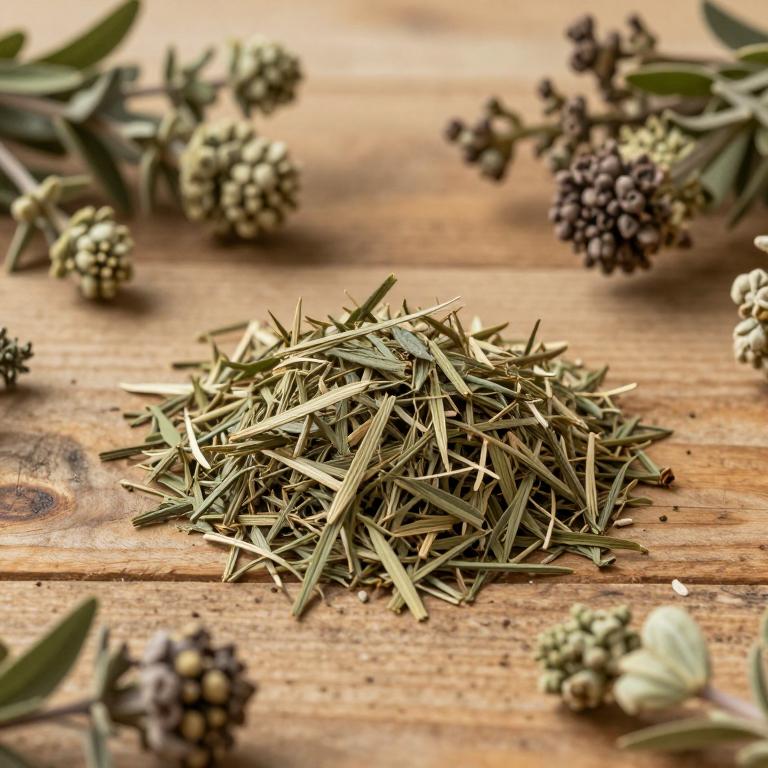
Names and Synonyms
Scientific Names
Accepted name
Marrubium cuneatumSynonyms
- Marrubium cuneatum var. spinulosum
- Marrubium gamodon
- Marrubium radiatum
- Marrubium polyodon
Sources: Wikidata, Catalogue of Life
Taxonomical Classification
This plant belongs to the kingdom Plantae and the phylum Streptophyta, falling under the class Equisetopsida and subclass Magnoliidae. Within the order Lamiales and the family Lamiaceae, it is classified under the genus Marrubium. Therefore, its full taxonomic identity is established as Marrubium cunnatum.
| Rank | Classification |
|---|---|
| Kingdom | Plantae |
| Phylum | Streptophyta |
| Class | Equisetopsida |
| Subclass | Magnoliidae |
| Order | Lamiales |
| Family | Lamiaceae |
| Genus | Marrubium |
Sources: The World Checklist of Vascular Plants (WCVP)
Distribution
This plant, known as Marrubium cunnatum, is primarily distributed throughout the region of Western Asia. Its natural habitat encompasses several key countries, including Iran and Iraq. Furthermore, the species can be found growing across the territory of Lebanon and Syria. It is also widely documented within the borders of Palestine. Finally, the geographical range of this medicinal plant extends into Türkiye.
| Region | Area |
|---|---|
| Western Asia | Iran |
| Western Asia | Iraq |
| Western Asia | Lebanon-Syria |
| Western Asia | Palestine |
| Western Asia | Türkiye |
Sources: The World Checklist of Vascular Plants (WCVP)
Botanical Identification
Life history
The life history of Marrubium cuneatum is characterized by its classification as a chamaephyte, a life form where the plant's regenerative buds are located close to the soil surface, protected by the substrate or organic litter during unfavorable conditions. This growth habit allows the species to thrive in specific Mediterranean microhabitats, often navigating seasonal shifts in temperature and moisture through its resilient low-growing structure. Its developmental cycle involves establishing a perennial presence, utilizing its specialized life form to withstand environmental stressors while ensuring its reproductive success through seasonal flowering. By maintaining its vital buds near the ground, the plant effectively manages its energy reserves and structural integrity, a key adaptation in its ecological strategy to persist within its native range.
- Life form :
- chamaephyte
Morphology
The morphology of Marrubium cunnatum is characterized by its growth form as a woody subshrub that functions as a self-supporting, non-climbing organism. It is a terrestrial species, lacking any aquatic or semiaquatic tendencies, and maintains an independent life cycle as it does not function as a parasite or an epiphyte. The plant's structural development is defined by its woody nature, allowing it to maintain a stable, upright posture within its habitat.
- Aquatic :
- terrestrial
- Climber :
- self-supporting
- Epiphyte :
- terrestrial
- Growth form :
- shrub
- Growth form :
- subshrub
- Parasite :
- independent
- Woodiness :
- woody
Sources: Global Inventory of Floras and Traits (GIFT)
Chemicals
Marrubium cuneatum has 2 reported phytochemicals identified across 0 scientific publications and several other databases. The most consistently reported chemicals include ACE, alpha-Amylase.
| Chemical | Supporting sources | Consensus |
|---|---|---|
| ACE | 1 supporting sources | ★☆☆☆☆ |
| alpha-Amylase | 1 supporting sources | ★☆☆☆☆ |
ACE
- Journal of ethnopharmacology
alpha-Amylase
- Journal of ethnopharmacology
Preparations
Marrubium cuneatum has 3 reported preparations identified across 0 scientific publications and several other databases. The most consistently reported preparations include chloroform, methanol extracts, n-hexane.
| Preparation | Supporting sources | Consensus |
|---|---|---|
| Chloroform | 1 supporting sources | ★☆☆☆☆ |
| Methanol extracts | 1 supporting sources | ★☆☆☆☆ |
| N-hexane | 1 supporting sources | ★☆☆☆☆ |
Chloroform
- Journal of ethnopharmacology
Methanol extracts
- Journal of ethnopharmacology
N-hexane
- Journal of ethnopharmacology