Marrubium astracanicum subsp. macrodon
Marrubium astracanicum subsp. macrodon · Accepted scientific name
Scientific literature: Very Sparse (4 studies) · ★☆☆☆☆
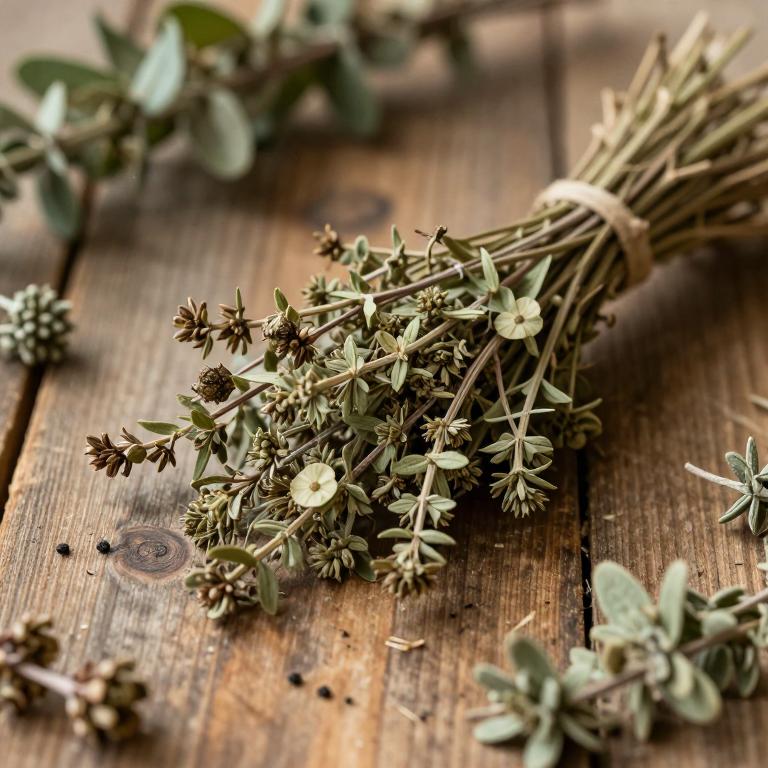
, scientifically known as Marrubium astracanicum subsp. macrodon, is a significant medicinal herb valued for its therapeutic properties. Belonging to the Lamiaceae family, this aromatic plant is traditionally utilized to treat respiratory ailments, including coughs and bronchitis. Its bioactive compounds offer potent antimicrobial and anti-inflammatory benefits in herbal medicine.
- Family
- Lamiaceae
- Native range
- Asia-Temperate
- Parts used
- Leaf
- Common names
- Not available
- Scientific synonyms
- Marrubium Macrodon
Names and Synonyms
Scientific Names
Accepted name
Marrubium astracanicum subsp. macrodonSynonyms
- Marrubium macrodon
Sources: Wikidata
Taxonomical Classification
This plant belongs to the kingdom Plantae and the phylum Streptophyta, falling under the class Equisetopsida and subclass Magnoliidae. Within the order Lamiales and the family Lamiaceae, it is classified under the genus Marrubium. Specifically, it is identified as the subspecies macrodon of the species Marrubium astracanicum.
| Rank | Classification |
|---|---|
| Kingdom | Plantae |
| Phylum | Streptophyta |
| Class | Equisetopsida |
| Subclass | Magnoliidae |
| Order | Lamiales |
| Family | Lamiaceae |
| Genus | Marrubium |
Sources: The World Checklist of Vascular Plants (WCVP)
Distribution
This plant is characterized by a very specific and limited geographical range. Its occurrence is primarily concentrated within the region of Western Asia. Specifically, the distribution of this subspecies is documented in Türkiye. Due to this localized presence, it is considered endemic to this particular territory. Therefore, its natural habitat is strictly tied to the unique environmental conditions found in this area.
| Region | Area |
|---|---|
| Western Asia | Türkiye |
Sources: The World Checklist of Vascular Plants (WCVP)
Plant Parts
Marrubium astracanicum subsp. macrodon has 1 reported plant parts identified across 1 scientific publications and several other databases that are studied for medicinal purposes. The most consistently reported plant part include leaf.
| Plant part | Supporting sources | Consensus |
|---|---|---|
| Leaf | 1 supporting sources | ★☆☆☆☆ |
Leaf
- Natural product research
Chemicals
Marrubium astracanicum subsp. macrodon has 3 reported phytochemicals identified across 1 scientific publications and several other databases. The most consistently reported chemicals include malic acid, p-coumaric acid, quinic acid.
| Chemical | Supporting sources | Consensus |
|---|---|---|
| malic acid | 1 supporting sources | ★☆☆☆☆ |
| p-coumaric acid | 1 supporting sources | ★☆☆☆☆ |
| quinic acid | 1 supporting sources | ★☆☆☆☆ |
malic acid
- Natural product research
p-coumaric acid
- Natural product research
quinic acid
- Natural product research
Preparations
Marrubium astracanicum subsp. macrodon has 3 reported preparations identified across 1 scientific publications and several other databases. The most consistently reported preparations include ethanol extract, solvent extracts, water extract.
| Preparation | Supporting sources | Consensus |
|---|---|---|
| Ethanol extract | 1 supporting sources | ★☆☆☆☆ |
| Solvent extracts | 1 supporting sources | ★☆☆☆☆ |
| Water extract | 1 supporting sources | ★☆☆☆☆ |
Ethanol extract
- Natural product research
Solvent extracts
- Natural product research
Water extract
- Natural product research