Marila podantha
Marila podantha · Accepted scientific name
Scientific literature: Very Sparse (1 studies) · ★☆☆☆☆
Marila podantha is a botanical species of significant interest due to its unique chemical profile. Research indicates that the leaves of this plant contain specialized secondary metabolites known as 4-phenylcoumarins. These specific chemical compounds are of particular importance because they exhibit notable cytotoxic activities. Such biological properties suggest that the plant holds potential for further investigation in pharmacological studies. Consequently, studying the leaf extracts of Marila podantha provides valuable insights into its medicinal capabilities.
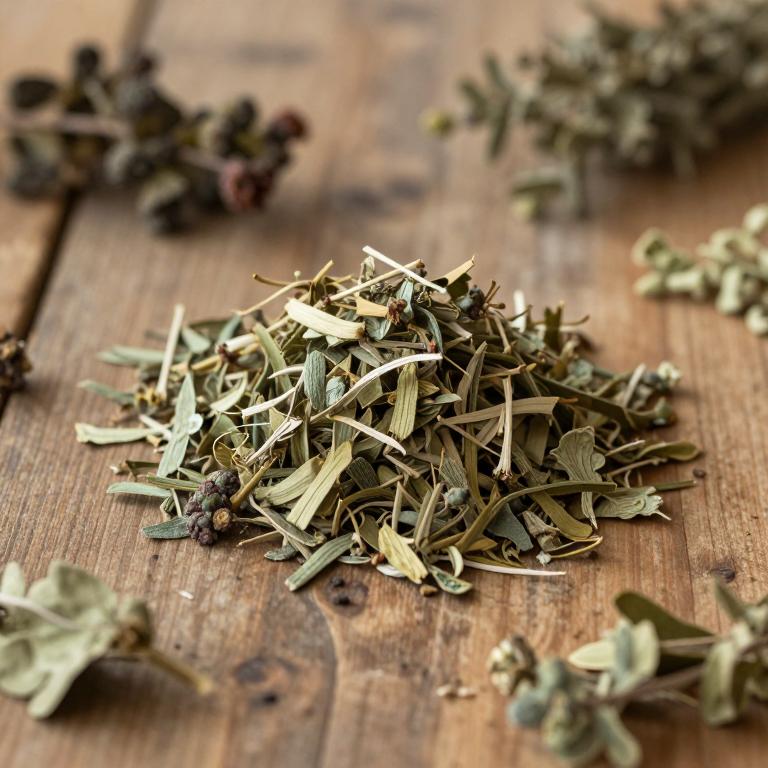
- Synonyms
- Marila Pluricostata
- Common names
- Not available
- Family
- Calophyllaceae
- Distribution
- Asia-Tropical
- Plant Parts
- Leaf
Classification
Synonyms
Marila podantha is a notable plant species that is frequently identified in botanical literature by its synonym, Marila pluricostata. This nomenclatural connection highlights the historical shifts in how researchers have classified its specific physical characteristics. Understanding this relationship is essential for botanists attempting to navigate various scientific databases and taxonomic records. By recognizing that these two names refer to the same organism, researchers can ensure accuracy in their ecological studies. Consequently, bridging the gap between these terms allows for a more cohesive study of the plant's natural history.
Sources: The World Checklist of Vascular Plants (WCVP)
Taxonomy
Marila podantha is a fascinating member of the kingdom Plantae that exhibits a distinct biological lineage. Classified under the class Equisetopsida, this plant follows a specific evolutionary path through the order Malpighiales. It belongs to the diverse family Calophyllaceae, which showcases its unique morphological characteristics. Within this botanical framework, it is identified by its specific genus, Marila. Understanding these taxonomic relationships provides essential insight into the plant's place within the natural world.
| Rank | Classification |
|---|---|
| Kingdom | Plantae |
| Phylum | Streptophyta |
| Class | Equisetopsida |
| Subclass | Magnoliidae |
| Order | Malpighiales |
| Family | Calophyllaceae |
| Genus | Marila |
Sources: The World Checklist of Vascular Plants (WCVP)
Distribution
Geographic Regions
Marila podantha exhibits a widespread distribution that stretches across much of Central and South America. Its presence is noted throughout Central American nations such as Costa Rica, Nicaragua, and Panamá. Moving into the southern regions, the species establishes a significant footprint across the vast landscape of South America. Within Western South America, it can be found thriving in the diverse environments of Colombia and Ecuador. This extensive range highlights the plant's ability to adapt to various tropical climates throughout these interconnected territories.
Sources: The World Checklist of Vascular Plants (WCVP)
Identification
Morphology
Marila podantha is a self-supporting plant that develops into a distinct tree form. Reaching a maximum height of 8 meters, it establishes a sturdy presence within its ecosystem. This structural stability allows the species to thrive as a significant component of its natural habitat.
Sources: Global Inventory of Floras and Traits (GIFT)
Biological Activities
Marila podantha belongs to a genus known for producing diverse chemical compounds with significant biological potential. Research into related species like Marila pluricostata has highlighted the presence of various 4-phenylcoumarins within their leaves. These natural compounds have demonstrated notable activity during cytotoxicity assays against specific human cancer cell lines, including MCF-7, H-460, and SF-268. Such findings suggest that the chemical constituents of this genus may hold value in pharmacological studies. Consequently, exploring the cytotoxic properties of these plants remains a vital area of scientific investigation.
Compounds
Marila podantha is a plant species of significant interest due to its rich chemical profile. Research into the genus has revealed that certain members, such as Marila pluricostata, are notable for containing various 4-phenylcoumarins. Specifically, bioassay-guided fractionation has allowed scientists to isolate seventeen naturally occurring compounds of this class. Among these, several unique structures have been identified alongside known mammea-type coumarins. These findings are particularly important because the isolated compounds have demonstrated cytotoxic activity against multiple human cancer cell lines.
Conditions
Marila podantha demonstrates significant medicinal potential through its ability to treat specific cancer cell lines. This plant species has been shown to effectively treat H-460 human cancer cells. Furthermore, its biological properties allow it to treat the MCF-7 cell line. The plant also provides therapeutic effects when treating SF-268 cells. These combined actions highlight the diverse cytotoxic capabilities of the plant against various human cancer models.
Preparations
Parts used
Marila podantha possesses various anatomical structures, including the leaf, which serves as a critical component for biochemical study. While research has focused extensively on the leaves of related species like Marila pluricostata to isolate cytotoxic 4-phenylcoumarins, the botanical relationship remains significant. These leaf extracts undergo bioassay-guided fractionation to identify unique natural compounds. Such studies reveal that specific derivatives can be tested against various human cancer cell lines to determine their efficacy. Understanding these plant parts is essential for uncovering the medicinal potential hidden within the genus.