Mammillaria
Mammillaria · Accepted scientific name
Scientific literature: Very Sparse (0 studies) · ★☆☆☆☆
Mammillaria is a diverse genus of cacti widely recognized for their distinctive, nipple-like tubercles and colorful blooms. Beyond their ornamental appeal, these plants offer unique biological components such as the specialized seed used for propagation. Researchers have explored various medicinal applications, including the development of a potent ethanol extract derived from the species. This extract can be applied topically to treat specific skin conditions or localized irritations. Furthermore, some traditional preparations involve the use of cold compresses to soothe areas where the plant's compounds have been utilized.
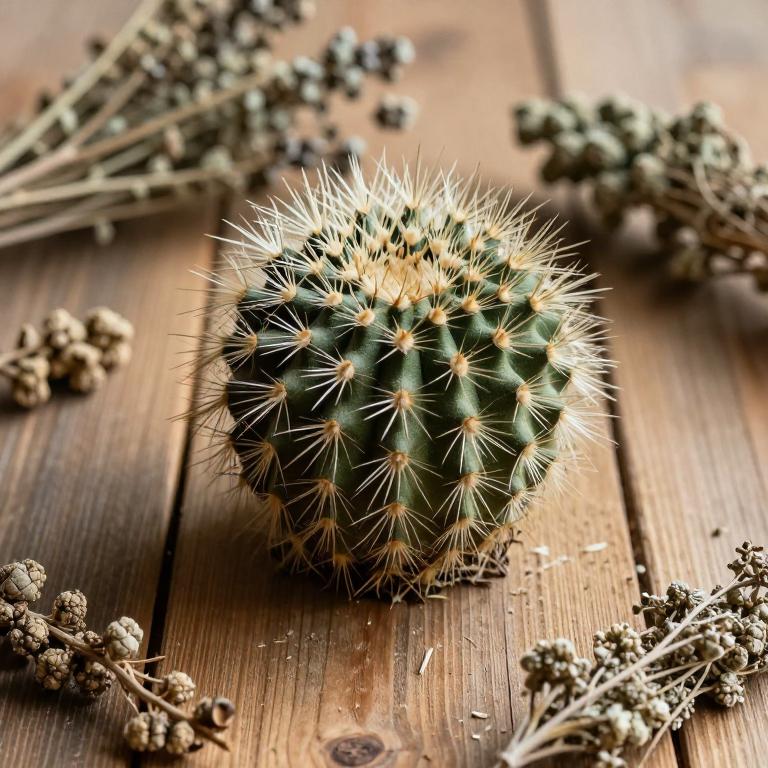
- Synonyms
- Neomammillaria · Cryptocarpocactus · 12 more
- Common names
- Not available
- Family
- Cactaceae
- Distribution
- Not available
- Plant Parts
- Seed
Classification
Common Names
Mammillaria is a diverse genus of succulents that is known by many different names across various regions and languages. In certain areas, these plants are affectionately referred to as Biznagas, while others may call them mamilária or mamilárie. English speakers frequently identify them by their charming common names, such as pincushion cacti. Depending on the context, you might also see them referred to as pincushion cactuses. Regardless of the label used, these unique plants remain a favorite among succulent enthusiasts worldwide.
Sources: Catalogue of Life (COL)
Synonyms
Mammillaria is a diverse genus that has historically encompassed several other plant groups through various taxonomic reclassifications. For many years, many species were categorized under the synonym Cactus, though modern classification offers more specific distinctions. The genus's complex history also includes being grouped with synonyms such as Cryptocarpocactus and Dolichothele. Furthermore, botanical shifts have previously linked these plants to the names Ebnerella and Escobariopsis. Understanding these shifting relationships is essential for anyone studying the intricate lineage of this widespread succulent.
Sources: The World Checklist of Vascular Plants (WCVP)
Taxonomy
Mammillaria belongs to the vast kingdom Plantae, representing a diverse group of multicellular organisms. Within this kingdom, it is classified under the class Equisetopsida and the order Caryophyllales. This specific lineage places the plant firmly within the family Cactaceae, a group known for its unique adaptations. Furthermore, the plant is defined by its own distinct genus, Mammillaria. Together, these taxonomic relationships highlight the specific biological identity of this fascinating succulent.
| Rank | Classification |
|---|---|
| Kingdom | Plantae |
| Phylum | Streptophyta |
| Class | Equisetopsida |
| Subclass | Magnoliidae |
| Order | Caryophyllales |
| Family | Cactaceae |
| Genus | Mammillaria |
Sources: The World Checklist of Vascular Plants (WCVP)
Distribution
Geographic Regions
Mammillaria displays a remarkably diverse global distribution that spans across multiple continents and distinct climatic zones. In Asia, these plants can be found throughout the tropical regions and specifically within the Indian Subcontinent and Assam. Their presence extends to Europe, where they inhabit parts of Southwestern Europe and Spain. Within North America, the genus thrives across various territories in Mexico, including the Central, Gulf, and Northeast regions. This widespread geographic range highlights the remarkable adaptability of the genus to different environments worldwide.
Sources: The World Checklist of Vascular Plants (WCVP)
Identification
Biological Activities
Compounds
Conditions
Preparations
Mammillaria is prepared as cold compresses to treat puerperal milk stasis and reduce breast hardness and pain. This plant is also prepared as an ethanol extract to demonstrate potent anti-inflammatory actions. Additionally, the plant is prepared as an extract to investigate its ability to inhibit melanin production and promote skin whitening. For clinical application in breastfeeding complications, Mammillaria is prepared as a topical treatment alongside aloe. These various preparations highlight the diverse medicinal and cosmetic potential of the cactus.
Parts used
Mammillaria species are notable for producing specialized components, such as the seeds that yield potent cactus seed oil. Recent scientific investigations have focused on the remarkable antioxidant properties found within these seeds. Studies utilizing mouse models demonstrate that this oil can effectively combat oxidative stress induced by iron overload in the liver, brain, and kidney. By regulating key antioxidant enzymes and reducing lipid peroxidation, the oil provides a protective mechanism against cellular damage. Ultimately, these findings highlight the significant therapeutic potential held within the various parts of the Mammillaria plant.