Mammea suriga
Mammea suriga · Accepted scientific name
Scientific literature: Very Sparse (10 studies) · ★☆☆☆☆
Mammea suriga, scientifically known as Mammea suriga, is a remarkable medicinal plant valued for its diverse therapeutic properties. Often utilized in traditional healing practices, this species contains bioactive compounds known to support wellness. Understanding its botanical characteristics and medicinal potential is essential for exploring its role in natural pharmacology.
- Family
- Calophyllaceae
- Native range
- Asia-Tropical
- Parts used
- Root
- Common names
- Not available
- Scientific synonyms
- Calysaccion Chinense · Ochrocarpos Longifolius · 3 more
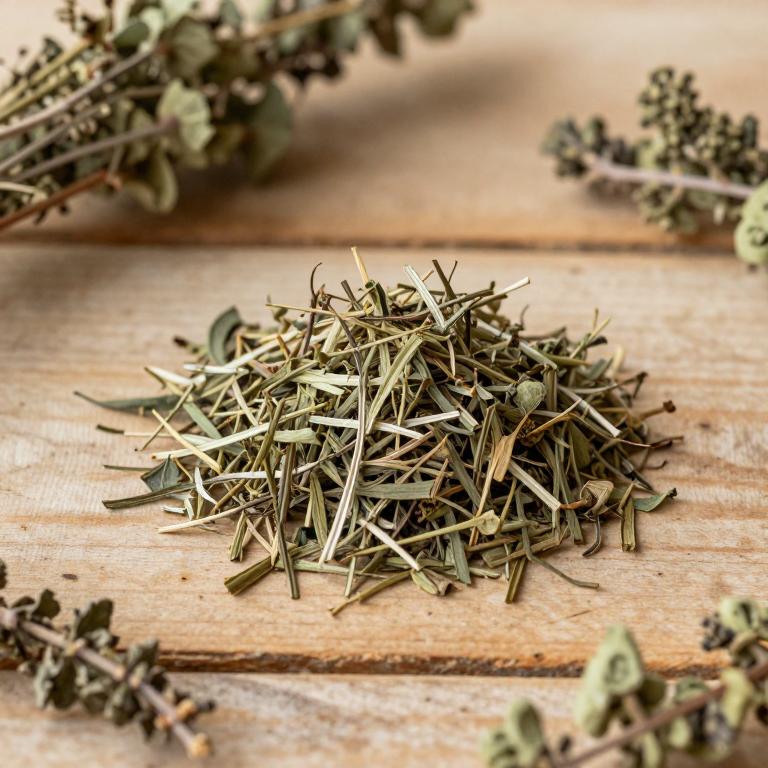
Names and Synonyms
Scientific Names
Accepted name
Mammea surigaSynonyms
- Calysaccion chinense
- Ochrocarpos longifolius
- Mammea longifolia
- Calysaccion longifolium
- Calophyllum suriga
Sources: Wikidata, Catalogue of Life
Taxonomical Classification
This plant belongs to the kingdom Plantae and is classified under the phylum Streptophyta and the class Equisetopsida. Within the subclass Magnoliidae, it falls under the order Malpighiales and the family Calophyllaceae. Finally, its specific taxonomic placement is within the genus Mammea.
| Rank | Classification |
|---|---|
| Kingdom | Plantae |
| Phylum | Streptophyta |
| Class | Equisetopsida |
| Subclass | Magnoliidae |
| Order | Malpighiales |
| Family | Calophyllaceae |
| Genus | Mammea |
Sources: The World Checklist of Vascular Plants (WCVP)
Distribution
This plant exhibits a wide geographical distribution across several key regions in Asia. Within the Indian Subcontinent, it can be found growing in Assam, Bangladesh, and throughout India. Its range extends further into the Indo-China region as well. Specifically, it is documented to inhabit the landscapes of Laos. Additionally, the species is native to the territories of Myanmar.
| Region | Area |
|---|---|
| Indian Subcontinent | Assam |
| Indian Subcontinent | Bangladesh |
| Indian Subcontinent | India |
| Indo-China | Laos |
| Indo-China | Myanmar |
| Indo-China | Thailand |
Sources: The World Checklist of Vascular Plants (WCVP)
Plant Parts
Mammea suriga has 1 reported plant parts identified across 1 scientific publications and several other databases that are studied for medicinal purposes. The most consistently reported plant part include root.
| Plant part | Supporting sources | Consensus |
|---|---|---|
| Root | 1 supporting sources | ★☆☆☆☆ |
Root
- Journal of pharmaceutical analysis
Chemicals
Mammea suriga has 4 reported phytochemicals identified across 1 scientific publications and several other databases. The most consistently reported chemicals include Cardiac Glycosides, Flavonoids, Saponins, Tannins.
| Chemical | Supporting sources | Consensus |
|---|---|---|
| Cardiac Glycosides | 1 supporting sources | ★☆☆☆☆ |
| Flavonoids | 1 supporting sources | ★☆☆☆☆ |
| Saponins | 1 supporting sources | ★☆☆☆☆ |
| Tannins | 1 supporting sources | ★☆☆☆☆ |
Cardiac Glycosides
- Journal of pharmaceutical analysis
Flavonoids
- Journal of pharmaceutical analysis
Saponins
- Journal of pharmaceutical analysis
Tannins
- Journal of pharmaceutical analysis
Activities
Mammea suriga has 2 reported activities identified across 1 scientific publications and several other databases. The most consistently reported activities include Antimicrobial, Antioxidant.
| Activity | Supporting sources | Consensus |
|---|---|---|
| Antimicrobial | 1 supporting sources | ★☆☆☆☆ |
| Antioxidant | 1 supporting sources | ★☆☆☆☆ |
Antimicrobial
- Journal of pharmaceutical analysis
Antioxidant
- Journal of pharmaceutical analysis
Conditions
Mammea suriga has 3 reported investigations on conditions identified across 1 scientific publications and several other databases. The most consistently reported conditions include Bacillus subtilis, Cryptococcus neoformans, Staphylococcus aureus.
| Condition | Supporting sources | Consensus |
|---|---|---|
| Bacillus subtilis | 1 supporting sources | ★☆☆☆☆ |
| Cryptococcus neoformans | 1 supporting sources | ★☆☆☆☆ |
| Staphylococcus aureus | 1 supporting sources | ★☆☆☆☆ |
Bacillus subtilis
- Journal of pharmaceutical analysis
Cryptococcus neoformans
- Journal of pharmaceutical analysis
Staphylococcus aureus
- Journal of pharmaceutical analysis
Preparations
Mammea suriga has 2 reported preparations identified across 1 scientific publications and several other databases. The most consistently reported preparations include aqueous extract, ethanolic extract.
| Preparation | Supporting sources | Consensus |
|---|---|---|
| Aqueous extract | 1 supporting sources | ★☆☆☆☆ |
| Ethanolic extract | 1 supporting sources | ★☆☆☆☆ |
Aqueous extract
- Journal of pharmaceutical analysis
Ethanolic extract
- Journal of pharmaceutical analysis