Malva arborea
Malva arborea · Accepted scientific name
Scientific literature: Very Sparse (0 studies) · ★☆☆☆☆
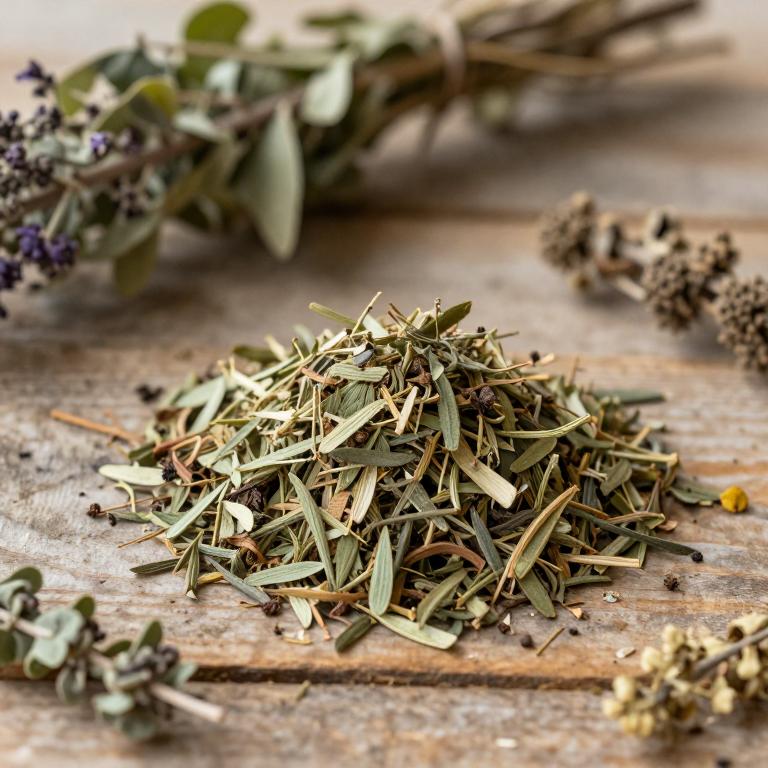
Malva arborea is a distinctive shrub known for its impressive size and vibrant floral displays. This botanical species is highly regarded in various traditional healing practices for its therapeutic properties. Specifically, it is frequently utilized to help manage and alleviate various forms of inflammations within the body. By harnessing its natural compounds, practitioners aim to soothe irritated tissues and reduce swelling. Understanding its role in wellness provides valuable insight into the plant's medicinal potential.
- Synonyms
- Althaea Arborea · Lavatera Arborea · 8 more
- Common names
- Not available
- Family
- Malvaceae
- Distribution
- Not available
- Plant Parts
- Not available
Classification
Common Names
Malva arborea is a distinctive plant known by several different names across various languages and regions. In English, it is frequently referred to as the Tree-mallow, while in Spanish, it is commonly called Malva arborea. German speakers use a variety of terms to describe it, including Baum-Lavater, Baum-Malve, and Boommalva. It is also identified by the descriptive name Baumförmige Strauchpappel in certain contexts. Finally, in Turkish, this species is recognized by its common name, Ağaçsı Ebegümeci.
Sources: Catalogue of Life (COL)
Synonyms
Malva arborea is a botanical species that is frequently identified by several different scientific names. In many botanical records, it is recognized by the synonym Althaea arborea. The plant is also commonly referred to as Anthema arborea or Lavatera arborea in various texts. Furthermore, specific variations are noted under this name, including Lavatera arborea var. berlengensis and Lavatera arborea var. lasiocalyx. Understanding these overlapping synonyms is essential for accurate plant identification and classification.
Sources: The World Checklist of Vascular Plants (WCVP)
Taxonomy
Malva arborea is a fascinating specimen that belongs to the vast kingdom Plantae. Within this biological kingdom, the plant is specifically categorized under the class Equisetopsida. Its taxonomic journey continues through the order Malvales, which helps define its evolutionary lineage. As a member of the family Malvaceae, it shares important structural characteristics with many other well-known species. Ultimately, this plant is identified by its specific genus, Malva, which distinguishes it within the natural world.
| Rank | Classification |
|---|---|
| Kingdom | Plantae |
| Phylum | Streptophyta |
| Class | Equisetopsida |
| Subclass | Magnoliidae |
| Order | Malvales |
| Family | Malvaceae |
| Genus | Malva |
Sources: The World Checklist of Vascular Plants (WCVP)
Distribution
Geographic Regions
Malva arborea is a resilient species with an expansive geographical presence across several key regions. Its natural distribution spans the continent of Africa, reaching into the diverse landscapes of Northern Africa, including Algeria and Libya. Beyond the mainland, the plant is well-established throughout the Macaronesian islands. This includes specific populations found in the Azores, Madeira, and the Canary Islands. Together, these locations highlight the plant's ability to thrive in various Atlantic and African environments.
Sources: The World Checklist of Vascular Plants (WCVP)
Identification
Morphology
Malva arborea is a versatile herb characterized by its sturdy, self-supporting growth form. This plant typically reaches a maximum height of 3 meters, though its stature can vary significantly depending on environmental conditions. While some specimens may remain as small as 0.5 meters, others develop more substantial frames. Specifically, many healthy individuals consistently achieve a minimum height of approximately 1.68 meters. This range of development allows the species to adapt effectively to its various natural habitats.
Sources: Global Inventory of Floras and Traits (GIFT)
Biological Activities
Compounds
Conditions
Malva arborea is a key component of the Naran R herbal composition used to treat skin inflammations. This plant, specifically in its flower form, is included in an extract designed for compresses or skin washes. When used in an ointment, the preparation helps manage skin issues following radiotherapy treatment. Preclinical tests demonstrate that the herbal mixture maintains cell viability while providing beneficial antioxidant effects. Consequently, the inclusion of Malva arborea contributes to the potential of this remedy as a natural skin therapy.