Mahurea palustris
Mahurea palustris · Accepted scientific name
Scientific literature: Very Sparse (0 studies) · ★☆☆☆☆
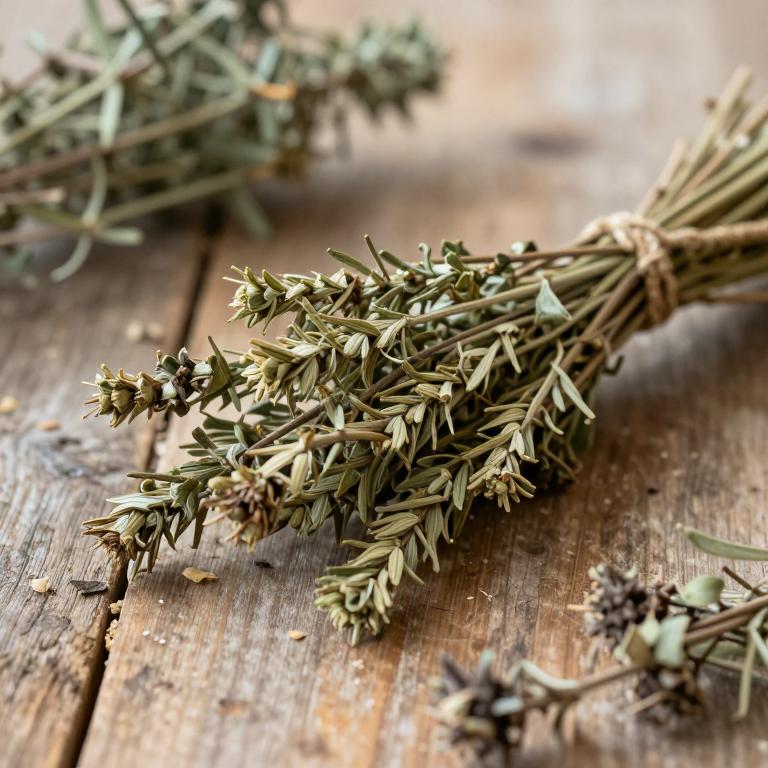
Mahurea palustris is a distinctive botanical species known for its unique morphological characteristics. The most prominent feature used for identification and study is the plant's leaf. These leaves serve as the primary component when preparing various botanical extracts or herbal treatments. By utilizing the leaves, practitioners can harness the specific biological properties inherent to this plant. Understanding the structure and utility of its foliage is essential for anyone studying this particular species.
- Synonyms
- Bonnetia Palustris
- Common names
- Not available
- Family
- Calophyllaceae
- Distribution
- Southern America
- Plant Parts
- Leaf
Classification
Synonyms
Mahurea palustris is a plant species that is often identified in botanical literature by its synonym, Bonnetia palustris. While these two names may appear different, they both refer to the exact same organism within the scientific community. Understanding these nomenclatural connections is essential for researchers tracking the plant's distribution and characteristics. Such taxonomic overlaps can sometimes cause confusion, but they ultimately clarify the plant's historical classification. Recognizing these synonyms ensures that data remains consistent across various biological databases and studies.
Sources: The World Checklist of Vascular Plants (WCVP)
Taxonomy
Mahurea palustris is a distinctive botanical species that belongs to the kingdom Plantae. Within this vast biological realm, the plant is classified under the class Equisetopsida. It specifically falls into the order Malpighiales, showcasing its unique evolutionary lineage. As a member of the Calophyllaceae family, it shares characteristics with many other tropical flora. Ultimately, this plant is defined by its placement within the genus Mahurea.
| Rank | Classification |
|---|---|
| Kingdom | Plantae |
| Phylum | Streptophyta |
| Class | Equisetopsida |
| Subclass | Magnoliidae |
| Order | Malpighiales |
| Family | Calophyllaceae |
| Genus | Mahurea |
Sources: The World Checklist of Vascular Plants (WCVP)
Distribution
Geographic Regions
Mahurea palustris is a plant species primarily found within the diverse landscapes of Southern America. Its distribution spans significant portions of Brazil, including the northern regions of the country. Furthermore, the species is well-established across Northern South America, stretching through the territory of French Guiana. It also maintains a presence within Guyana, highlighting its adaptability to various tropical environments. Collectively, these regions form a continuous geographic range for this notable botanical specimen.
Sources: The World Checklist of Vascular Plants (WCVP)
Identification
Morphology
Mahurea palustris is a self-supporting tree that establishes a sturdy presence within its natural habitat. This species typically reaches a maximum height of 25 meters as it matures. Its distinct growth form allows it to stand prominently among the surrounding vegetation.
Sources: Global Inventory of Floras and Traits (GIFT)
Biological Activities
Compounds
Conditions
Preparations
Mahurea palustris is prepared as leaves for the isolation of specific chemical compounds. Researchers extracted five new acylphloroglucinol derivatives, known as mahureones A-E, directly from these plant leaves. Spectroscopic methods were utilized to determine the unique structures of these leaf-derived substances. The study also identified several byproducts that formed during the chemical processing of the leaf extracts. Finally, the compounds obtained from the leaves were tested for their ability to inhibit human DNA polymerase beta.
Parts used
Mahurea palustris serves as a significant source of unique chemical compounds, specifically acylphloroglucinol derivatives. Researchers have successfully isolated five new derivatives, known as mahureones A-E, directly from the leaves of this plant. These substances were identified through detailed spectroscopic analysis to determine their complex structures. During the isolation process, certain byproducts were also observed when side chains reacted with specific reagents. Ultimately, testing revealed that mahureones A and D possess a notable ability to inhibit human DNA polymerase beta.