Magnolia sprengeri var. diva
Magnolia sprengeri var. diva · Accepted scientific name
Scientific literature: Very Sparse (0 studies) · ★☆☆☆☆
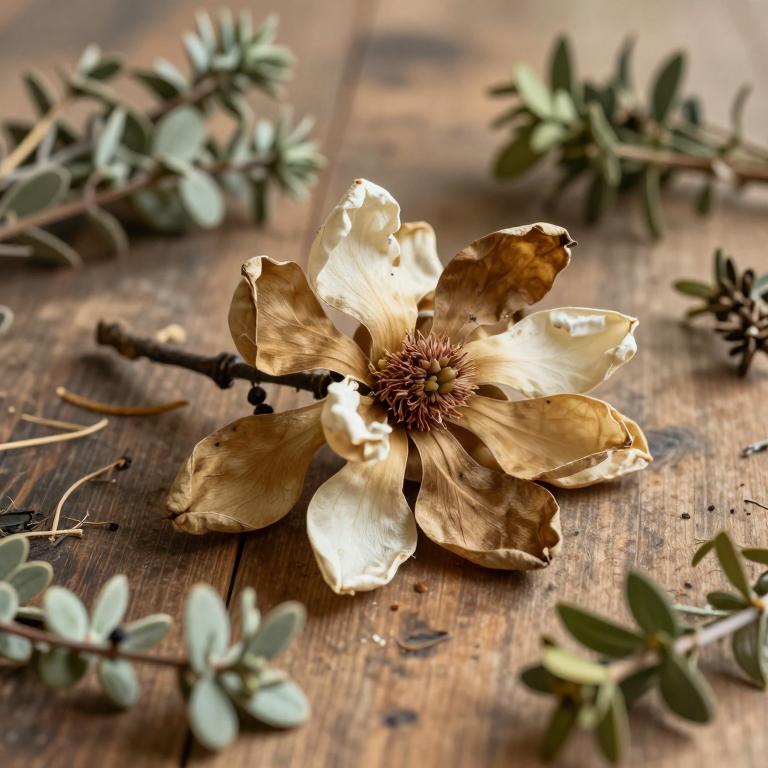
Magnolia sprengeri var. diva is a captivating ornamental plant celebrated for its stunning and delicate flower displays. Beyond its aesthetic appeal, this variety possesses a unique chemical profile that includes essential compounds like glutamic acid, proline, and threonine. These specific constituents play a significant role in the plant's biological functions and overall vitality. Cultivating this specimen allows gardeners to enjoy a sophisticated blend of botanical beauty and complex biochemistry. Understanding these floral characteristics provides deeper insight into the remarkable nature of this specific cultivar.
- Synonyms
- Yulania Denudata Var. Purpurascens · Magnolia Wufengensis · 6 more
- Common names
- Not available
- Family
- Magnoliaceae
- Distribution
- Asia-Tropical
- Plant Parts
- Flower
Classification
Synonyms
Magnolia sprengeri var. diva is a botanical subject that has been identified through various taxonomic names over time. It is frequently referred to by several synonyms, including the simpler designation Magnolia diva. The plant is also linked to Magnolia denudata var. dilutipurpurascens and Magnolia denudata var. purpurascens within scientific literature. Furthermore, it has been classified under the names Magnolia heptapeta f. purpurascens and Magnolia purpurascens. Understanding these shifting nomenclatures is essential for accurately identifying this specific variety in botanical studies.
Sources: The World Checklist of Vascular Plants (WCVP)
Taxonomy
Magnolia sprengeri var. diva belongs to the expansive kingdom Plantae, marking its place within the diverse world of living vegetation. As a member of the class Equisetopsida, this plant follows a fundamental evolutionary lineage shared by many flowering species. It is further classified under the order Magnoliales, a group known for its ancient and distinct botanical characteristics. Within this order, it finds its home in the prominent family Magnoliaceae, which is celebrated for its striking blooms. Finally, this specific variety is a distinguished part of the Magnolia genus, showcasing the unique beauty inherent to its lineage.
| Rank | Classification |
|---|---|
| Kingdom | Plantae |
| Phylum | Streptophyta |
| Class | Equisetopsida |
| Subclass | Magnoliidae |
| Order | Magnoliales |
| Family | Magnoliaceae |
| Genus | Magnolia |
Sources: The World Checklist of Vascular Plants (WCVP)
Distribution
Geographic Regions
Magnolia sprengeri var. diva is a distinguished botanical variety primarily found within the Asia-Temperate regions. Its natural distribution is concentrated in China, specifically spanning across the South-Central territories. Furthermore, this elegant plant can also be located throughout the Southeast regions of the country. These specific geographical pockets highlight the unique environmental needs required for its continued growth. Understanding these distribution patterns is essential for anyone studying the native habitats of this striking species.
Sources: The World Checklist of Vascular Plants (WCVP)
Identification
Biological Activities
Compounds
Magnolia sprengeri var. diva possesses a unique chemical profile that distinguishes it from other species within the genus. Detailed metabolic analysis reveals that this specific variety contains significant amounts of glutamic acid. Furthermore, the plant is also characterized by the presence of proline within its biological makeup. These specific compounds are often categorized as stress-related metabolites that play a role in the plant's internal systems. Understanding these chemical relationships provides valuable insight into the diverse phytochemical composition of the Magnolia family.
Conditions
Preparations
Parts used
Magnolia sprengeri var. diva possesses a distinct part flower that contributes to its unique botanical profile. While studies on related species like Magnolia heptapeta and Magnolia denudata var. purpurascens highlight the complex chemical diversity of flower buds, these findings provide a broader context for understanding floral metabolites. Research indicates that different varieties exhibit significant variations in essential oils, phenolic acids, and primary metabolites. Such metabolic profiling is essential for distinguishing between white and violet floral structures based on their specific chemical signatures. Ultimately, understanding these relationships helps clarify the biological pathways that govern the development of diverse Magnolia varieties.