Magnolia shiluensis
Magnolia shiluensis · Accepted scientific name
Scientific literature: Very Sparse (0 studies) · ★☆☆☆☆
Magnolia shiluensis is a plant species that has garnered significant scientific interest due to its potential medicinal properties. Recent studies have focused on the antibacterial potential of its leaves, specifically investigating their effects against various pathogens. Researchers evaluated both Fresh Leaf Aqueous Extract (MSFLAE) and Dry Leaf Aqueous Extract (MSDLAE) to determine their efficacy. These preparations demonstrated notable antibiosis against both Gram-Negative and Gram-Positive bacteria, including Escherichia coli. This research highlights the promising bioactive capabilities inherent in the leaf extracts of this species.
- Synonyms
- Michelia Shiluensis
- Common names
- Not available
- Family
- Magnoliaceae
- Distribution
- Not available
- Plant Parts
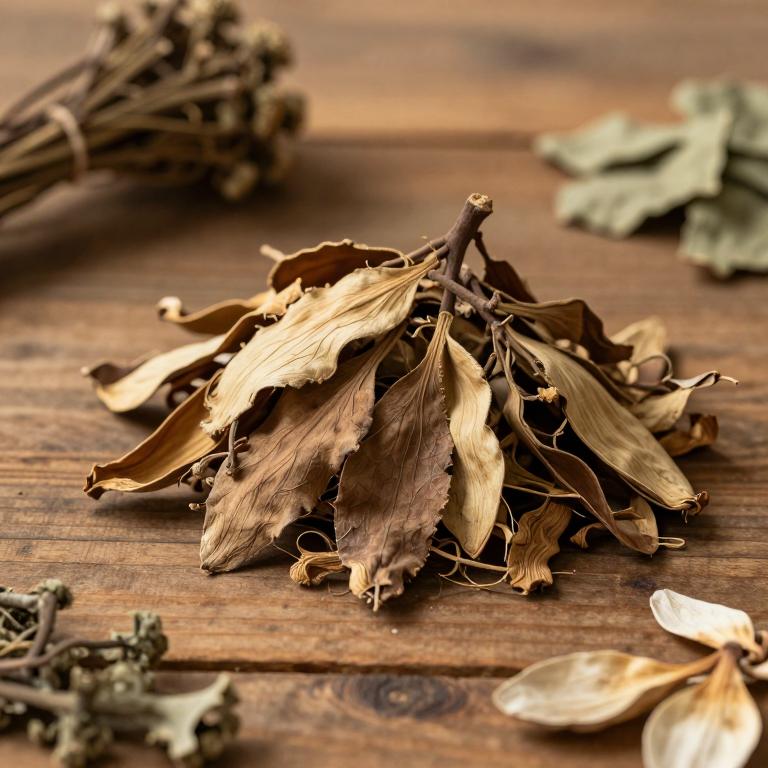
- Leaf
Classification
Common Names
Magnolia shiluensis is a distinguished species that is widely recognized by its local common name, 石碌含笑. This botanical treasure is deeply rooted in its specific regional identity, reflecting a unique connection to its natural habitat. By understanding its traditional nomenclature, enthusiasts can better appreciate the cultural significance tied to its existence. The relationship between its scientific classification and its local identity highlights the rich diversity of the floral world. Ultimately, studying such specific naming conventions provides a clearer window into the plant's ecological and social heritage.
Sources: Catalogue of Life (COL)
Synonyms
Magnolia shiluensis is a distinctive species that is frequently encountered in botanical literature under a different name. It is scientifically recognized as having the synonym Michelia shiluensis, reflecting historical shifts in taxonomic classification. This nomenclatural change highlights how botanical naming conventions have evolved to group certain species within the broader Magnolia genus. Understanding these synonymous relationships is essential for researchers and enthusiasts seeking to accurately identify the plant. Consequently, recognizing both names ensures clarity when discussing the unique characteristics of this specific Magnolia.
Sources: The World Checklist of Vascular Plants (WCVP)
Taxonomy
Magnolia shiluensis is a distinct botanical species belonging to the kingdom Plantae. Within this vast kingdom, it is classified under the class Equisetopsida. This plant further falls into the order Magnoliales, showcasing its evolutionary lineage. It is a proud member of the Magnoliaceae family, which characterizes many of its structural traits. Finally, it is identified by its specific genus, Magnolia, placing it among some of the most recognizable flowering plants.
| Rank | Classification |
|---|---|
| Kingdom | Plantae |
| Phylum | Streptophyta |
| Class | Equisetopsida |
| Subclass | Magnoliidae |
| Order | Magnoliales |
| Family | Magnoliaceae |
| Genus | Magnolia |
Sources: The World Checklist of Vascular Plants (WCVP)
Distribution
Geographic Regions
Magnolia shiluensis is a specialized species with a distinct geographic footprint. This plant is primarily distributed across the Asia-Temperate region, finding its home in specific ecological niches. Within this broad range, it is notably documented in the country of China. Its presence is particularly significant on the tropical island of Hainan, where it contributes to the local biodiversity. Understanding these specific locations is essential for the ongoing conservation efforts of the species.
Sources: The World Checklist of Vascular Plants (WCVP)
Identification
Morphology
Magnolia shiluensis is a self-supporting tree that establishes a sturdy presence in its natural habitat. This species typically reaches a maximum height of 18 meters as it matures. Its distinct growth form makes it a prominent feature within its ecosystem.
Sources: Global Inventory of Floras and Traits (GIFT)
Biological Activities
Compounds
Conditions
Magnolia shiluensis exhibits notable antibiosis through the use of its leaf aqueous extracts. The plant demonstrates antimicrobial activity that is more effective against Gram-positive bacteria than against Gram-negative bacteria. Specifically, the extracts of this species can treat Staphylococcus aureus and Escherichia coli. While the overall antibiosis levels against foodborne pathogens are described as low, the plant still maintains a measurable effect on these bacteria. These properties confirm that Magnolia shiluensis holds potential for development as a natural antibacterial agent.
Preparations
Magnolia shiluensis is prepared as both a dry leave aqueous extract and a fresh leave aqueous extract to study its phytochemical properties. These two specific preparations are formally referred to as MSDLAE and MSFLAE, respectively. Research conducted on these extracts shows that MSFLAE contains 28 isolated compounds, while MSDLAE contains 20. Comparative testing demonstrates that the MSFLAE preparation possesses a higher free-radical-scavenging capacity and greater antibiosis than the MSDLAE preparation. Ultimately, both types of aqueous extracts from the plant show significant potential for use as natural antioxidants and antibacterial agents.
Parts used
Magnolia shiluensis possesses leaves that serve as a vital source of phytochemicals and pharmacological potential. Researchers have focused on studying these leaves to compare the chemical compositions of both fresh and dried aqueous extracts. By utilizing methods such as gas chromatography-mass spectrometry, scientists have successfully isolated numerous compounds from these plant parts. The findings demonstrate that the leaf extracts exhibit significant free-radical-scavenging capacities and notable antibiosis against certain bacteria. Ultimately, the medicinal properties found within the leaves of this species support its use in developing natural antioxidants and antibacterial agents.