Magnolia rajaniana
Magnolia rajaniana · Accepted scientific name
Scientific literature: Very Sparse (0 studies) · ★☆☆☆☆
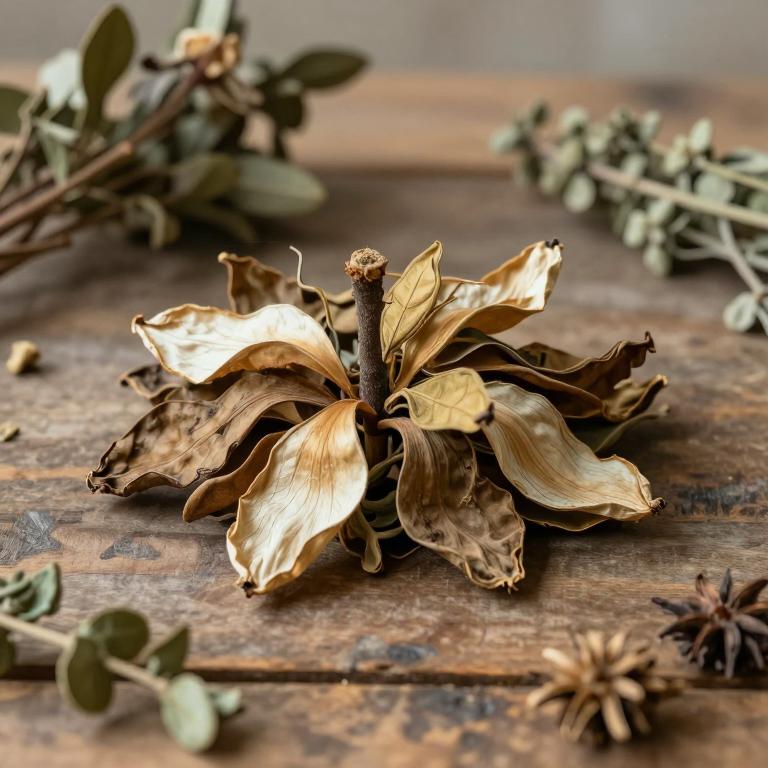
Magnolia rajaniana is a distinctive botanical species that belongs to the celebrated Magnolia genus. This plant is particularly noted for its unique chemical profile, which includes specialized secondary metabolites. Among these notable compounds is (+)-N-acetylparthenolidine, a chemical constituent that distinguishes its biological makeup. Understanding the presence of such specific molecules provides valuable insight into the plant's complex evolutionary history. Researchers continue to study this species to uncover the full potential of its unique phytochemical properties.
- Synonyms
- Michelia Rajaniana
- Common names
- Not available
- Family
- Magnoliaceae
- Distribution
- Not available
- Plant Parts
- Not available
Classification
Common Names
Magnolia rajaniana is a distinguished botanical species that is widely recognized by its local common name, Champi Ratchani. This beautiful plant belongs to the magnolia family and is celebrated for its unique aesthetic qualities. In various regions, the name Champi Ratchani serves as a vital identifier for enthusiasts and researchers alike. Understanding these naming relationships helps collectors better categorize the plant within its natural habitat. Consequently, learning both the scientific and common terms ensures a deeper appreciation for this remarkable specimen.
Sources: Catalogue of Life (COL)
Synonyms
Magnolia rajaniana is a distinctive species that is frequently encountered in botanical literature under a different name. It is widely recognized by its synonym, Michelia rajaniana, reflecting historical shifts in plant classification. Understanding this nomenclature is essential for researchers and gardeners who wish to identify the plant accurately. While the genus name has evolved, the biological identity of this beautiful flowering tree remains the same. Therefore, recognizing both terms ensures clarity when discussing its unique characteristics and ecological role.
Sources: The World Checklist of Vascular Plants (WCVP)
Taxonomy
Magnolia rajaniana belongs to the vast kingdom Plantae, representing a specialized branch of the living world. Within this kingdom, the species is classified under the class Equisetopsida. It follows a specific evolutionary lineage through the order Magnoliales. This plant is further categorized into the family Magnoliaceae, which highlights its botanical connections. Finally, it finds its definitive place within the well-known genus Magnolia.
| Rank | Classification |
|---|---|
| Kingdom | Plantae |
| Phylum | Streptophyta |
| Class | Equisetopsida |
| Subclass | Magnoliidae |
| Order | Magnoliales |
| Family | Magnoliaceae |
| Genus | Magnolia |
Sources: The World Checklist of Vascular Plants (WCVP)
Distribution
Geographic Regions
Magnolia rajaniana is a distinctive botanical species primarily found within the lush environments of the Asia-Tropical region. Its natural distribution spans across the diverse landscapes of Indo-China, making it a significant part of the local flora. Within these territories, Thailand serves as a key habitat where the plant can be observed growing in its native state. Understanding these specific geographical boundaries helps researchers better grasp the ecological needs of this particular magnolia. Consequently, its presence in these specific zones highlights the unique biodiversity found throughout Southeast Asia.
Sources: The World Checklist of Vascular Plants (WCVP)
Identification
Morphology
Magnolia rajaniana is a self-supporting plant that maintains its own structure without the need for external support.
Sources: Global Inventory of Floras and Traits (GIFT)
Biological Activities
Compounds
Conditions
Magnolia rajaniana, specifically through its bark extract, demonstrates significant potential in treating cytotoxicity. Research involving the crude CHCl3 extract of this plant shows strong inhibitory effects in the KB cell culture assay. The chemical composition of the bark includes specialized constituents such as germacranolide amides and the alkaloid liriodenine. Among these components are novel derivatives like (+)-N-acetylparthenolidine that contribute to the plant's biological activity. These specific bioactive compounds drive the observed cytotoxic properties of the species.