Magnolia officinalis var. biloba
Magnolia officinalis var. biloba · Accepted scientific name
Scientific literature: Very Sparse (0 studies) · ★☆☆☆☆
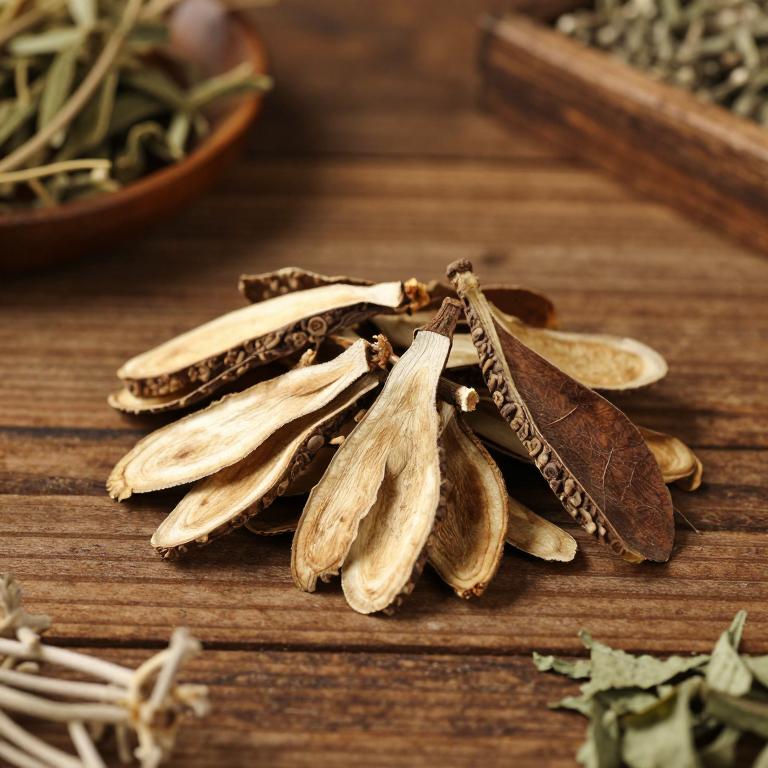
Magnolia officinalis var. biloba is a distinctive deciduous tree known for its large, spreading branches and elegant foliage. This species is highly valued in traditional medicine for its potent therapeutic properties. It contains significant concentrations of bioactive compounds, most notably honokiol and magnolol. These specific chemicals are widely studied for their sedative, anti-inflammatory, and antioxidant effects on the human body. Understanding the chemical profile of this plant is essential for exploring its potential in modern pharmacology.
- Synonyms
- Magnolia Officinalis Subsp. Biloba · Magnolia Biloba · 1 more
- Common names
- Not available
- Family
- Magnoliaceae
- Distribution
- Not available
- Plant Parts
- Not available
Classification
Synonyms
Magnolia officinalis var. biloba is a botanical entity recognized by several different taxonomic designations. Within scientific literature, it is frequently identified by the synonym Houpoea officinalis var. biloba. Researchers may also encounter this same plant listed as Magnolia biloba in various botanical databases. Furthermore, the name Magnolia officinalis subsp. biloba serves as another valid synonym for this specific variety. Understanding these overlapping names is essential for ensuring accurate identification in horticultural and academic studies.
Sources: The World Checklist of Vascular Plants (WCVP)
Taxonomy
Magnolia officinalis var. biloba belongs to the vast kingdom Plantae, representing a fundamental branch of the living world. Within this kingdom, it is categorized under the class Equisetopsida, marking its specific biological lineage. The plant is further organized into the order Magnoliales, which helps scientists understand its evolutionary connections. It finds its place within the distinguished family Magnoliaceae, a group known for its striking floral characteristics. Finally, this species is classified under the genus Magnolia, placing it among some of the most iconic flowering plants in nature.
| Rank | Classification |
|---|---|
| Kingdom | Plantae |
| Phylum | Streptophyta |
| Class | Equisetopsida |
| Subclass | Magnoliidae |
| Order | Magnoliales |
| Family | Magnoliaceae |
| Genus | Magnolia |
Sources: The World Checklist of Vascular Plants (WCVP)
Distribution
Geographic Regions
Magnolia officinalis var. biloba is a distinct botanical variety primarily found within the temperate regions of Asia. Its natural distribution is most concentrated across the vast landscapes of China, particularly throughout the southeastern territories. This specific geographic range highlights the plant's unique ecological niche within its native environment. Understanding these regional connections is essential for researchers studying its natural habitat and growth patterns. Consequently, this variety remains a significant component of the diverse flora found in the Chinese temperate zones.
Sources: The World Checklist of Vascular Plants (WCVP)
Identification
Biological Activities
Compounds
Magnolia officinalis var. biloba is a plant of significant medicinal value due to its specific chemical composition. Research indicates that this variety naturally contains the efficacious constituents honokiol and magnolol. The concentration of these active compounds is closely linked to the tree's age, trunk diameter, and various anatomical parts. Understanding these relationships provides a vital foundation for optimizing the collection and quality control of the species. Ultimately, these insights help ensure the effectiveness of the plant in diverse clinical applications.
Conditions
Magnolia officinalis var. biloba demonstrates a strong capacity to treat MMP-9 activity through its inhibitory effects. During large-scale screening of Korean medicinal plants, its butanol fractions were identified as highly effective against this enzyme. Specifically, the plant exhibited an inhibitory activity exceeding 90% at a concentration of 100 microg/ml. This significant reduction in enzymatic activity is crucial because MMP-9 is responsible for degrading the structural components of the basement membrane. Consequently, this variety serves as a potent natural inhibitor in the search for novel cancer treatment compounds.