Macrothelypteris viridifrons
Macrothelypteris viridifrons · Accepted scientific name
Scientific literature: Very Sparse (0 studies) · ★☆☆☆☆
Macrothelypteris viridifrons is a fascinating fern species that has garnered increasing attention within the field of ethnopharmacology. Scientific investigations have revealed that this plant contains significant concentrations of bioactive compounds, specifically the chemical class known as flavonoids. These phytochemicals are being closely studied for their potential therapeutic properties and biological activities. Current research is particularly focused on evaluating how these substances might interact with various cancer conditions. Understanding these mechanisms could eventually pave the way for new developments in natural cancer treatments.
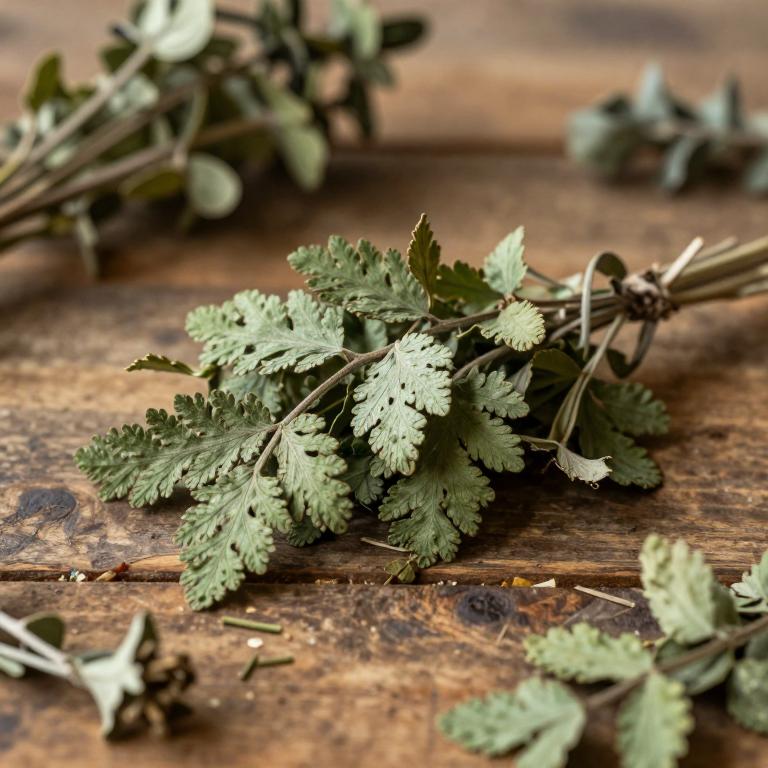
- Synonyms
- Lastrea Oligophlebia Var. Subtripinnata · Dryopteris Elegans Var. Subtripinnata · 4 more
- Common names
- Not available
- Family
- Aspleniaceae
- Distribution
- Not available
- Plant Parts
- Not available
Classification
Common Names
Macrothelypteris viridifrons is a unique fern species that is known by the common Japanese name ミドリヒメワラビ. This plant belongs to a fascinating group of ferns characterized by their distinct growth patterns and lush foliage. Understanding its botanical identity helps enthusiasts appreciate the diversity found within its specific genus. By learning its local name, collectors can more easily identify this specimen in specialized nurseries or wild habitats. This connection between scientific classification and common terminology bridges the gap between formal botany and everyday plant care.
Sources: Catalogue of Life (COL)
Synonyms
Macrothelypteris viridifrons is a plant species that has been known by several different botanical names throughout history. Taxonomists have historically classified this fern under various synonyms, including Dryopteris elegans var. subtripinnata and Dryopteris oligophlebia var. subtripinnata. It has also been identified within the genus Lastrea as both Lastrea oligophlebia var. subtripinnata and Lastrea viridifrons. Furthermore, the plant has been documented under the name Thelypteris oligophlebia var. subtripinnata. These overlapping designations highlight the complex shifting landscape of its formal botanical classification.
Sources: The World Checklist of Vascular Plants (WCVP)
Taxonomy
Macrothelypteris viridifrons is a distinct biological entity belonging to the kingdom Plantae. Within this vast kingdom, the species is classified under the class Equisetopsida. It further resides in the order Polypodiales, showcasing its place among diverse fern lineages. This plant is a member of the genus Macrothelypteris, which defines its specific morphological characteristics. Finally, it is nested within the family Aspleniaceae, completing its detailed taxonomic profile.
| Rank | Classification |
|---|---|
| Kingdom | Plantae |
| Phylum | Streptophyta |
| Class | Equisetopsida |
| Subclass | Polypodiinae |
| Order | Polypodiales |
| Family | Aspleniaceae |
| Genus | Macrothelypteris |
Sources: The World Checklist of Vascular Plants (WCVP)
Distribution
Geographic Regions
Macrothelypteris viridifrons is a notable plant species primarily found throughout the temperate regions of Asia. Its distribution spans several key territories, including various parts of China, particularly within the Southeast. The species also extends its presence into Eastern Asia, where it can be found thriving in Japan. Furthermore, its range reaches into the Korean Peninsula, highlighting its adaptability to these regional climates. Together, these locations define the characteristic geographic footprint of this fern across the continent.
Sources: The World Checklist of Vascular Plants (WCVP)
Identification
Biological Activities
Compounds
Conditions
Macrothelypteris viridifrons is a plant widely distributed in southern China that has been utilized in folk medicine for several therapeutic purposes. It is specifically recognized for its ability to treat cancer through significant anti-tumor and anti-angiogenic effects. Additionally, this plant is traditionally employed to treat hydropsy. The medicinal properties of the species also extend to the treatment of traumatic bleeding. These diverse applications highlight the plant's historical importance in managing these specific health conditions.