Macroptilium atropurpureum
Macroptilium atropurpureum · Accepted scientific name
Scientific literature: Very Sparse (0 studies) · ★☆☆☆☆
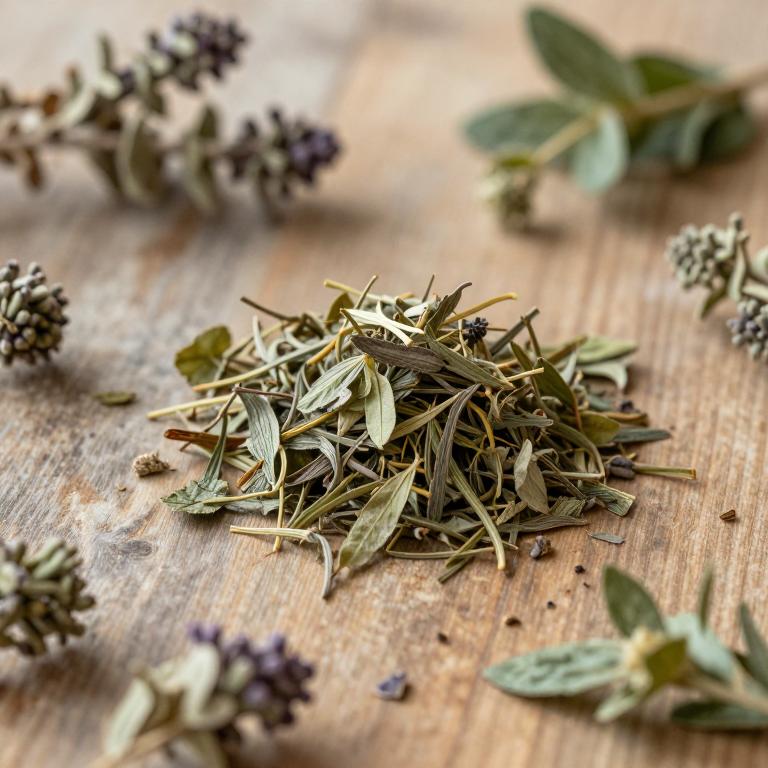
Macroptilium atropurpureum, commonly known as siratro, is a highly versatile perennial legume valued for its ability to improve soil fertility through nitrogen fixation. This resilient plant is widely cultivated in tropical and subtropical regions due to its excellent tolerance to drought and poor soil conditions. It serves as a critical component in forage systems, providing high-quality nutrition for various livestock species. One of its most common agricultural uses is as a primary ingredient in high-protein hay preparations. By integrating this legume into pastures, farmers can enhance both regrowth rates and overall forage quality.
- Synonyms
- Phaseolus Schiedeanus · Phaseolus Atropurpureus F. Intermedius · 10 more
- Common names
- Not available
- Family
- Fabaceae
- Distribution
- Australasia
- Plant Parts
- Not available
Classification
Common Names
Macroptilium atropurpureum is a versatile plant known by a variety of distinct names across different cultures and languages. In many Spanish-speaking regions, it is affectionately referred to as Chorequillo or Frijol de Venado. English speakers commonly identify this species as the Purple Bush-Bean, highlighting its striking floral characteristics. In Germany, the plant is recognized by the name Purpurbohne, reflecting its colorful nature. Finally, some may simply use the shortened designation atro to refer to this unique legume.
Sources: Catalogue of Life (COL)
Synonyms
Macroptilium atropurpureum is a botanical species known by several different taxonomic names throughout scientific literature. It is frequently identified by the synonym Dolichos rhynchosioides, reflecting its complex classification history. Researchers also recognize the plant under various Phaseolus designations, including Phaseolus affinis and Phaseolus atropurpureus. Further distinctions are made through specific varieties such as Phaseolus atropurpureus f. intermedius and Phaseolus atropurpureus var. canescens. Understanding these multiple synonyms is essential for accurately documenting the plant's diverse lineage.
Sources: The World Checklist of Vascular Plants (WCVP)
Taxonomy
Macroptilium atropurpureum is a fascinating specimen that belongs to the vast kingdom Plantae. Within this biological kingdom, it is classified under the class Equisetopsida. Its taxonomic journey continues through the order Fabales, showcasing its evolutionary connections. Further narrowing its identity, the plant is a member of the diverse family Fabaceae. Ultimately, it is defined by its specific genus, Macroptilium, which distinguishes it from other related species.
| Rank | Classification |
|---|---|
| Kingdom | Plantae |
| Phylum | Streptophyta |
| Class | Equisetopsida |
| Subclass | Magnoliidae |
| Order | Fabales |
| Family | Fabaceae |
| Genus | Macroptilium |
Sources: The World Checklist of Vascular Plants (WCVP)
Distribution
Geographic Regions
Macroptilium atropurpureum exhibits a diverse geographical range that spans several distinct regions across the African continent. Its presence is firmly established in East Tropical Africa, with notable populations found within the borders of both Kenya and Uganda. The species also reaches into Northeast Tropical Africa, specifically thriving in the landscapes of Ethiopia. Moving toward the north, the plant can be found throughout the territories of Egypt. Remarkably, its distribution extends even beyond the mainland to the remote island of St. Helena in the Middle Atlantic Ocean.
Sources: The World Checklist of Vascular Plants (WCVP)
Identification
Morphology
Macroptilium atropurpureum is a versatile herb characterized by its distinct growth patterns. This species possesses an obligatory climbing habit, allowing it to ascend various structures for support. While its height can technically begin from a minimal baseline, it typically establishes itself with a minimum stature of 1.2 meters. In optimal growing conditions, the plant can reach an impressive maximum height of 5 meters. This range of development highlights the adaptable nature of this climbing herb.
Sources: Global Inventory of Floras and Traits (GIFT)
Biological Activities
Compounds
Conditions
Macroptilium atropurpureum responds to 1-aminocyclopropane-1-carboxylic acid by experiencing a reduction in its total number of nodules. Conversely, the application of inhibitors of ethylene synthesis or its physiological function serves to enhance the nodulation process within this plant species. Beyond these physiological signaling pathways, the plant also plays a significant role in nutritional supplementation. Specifically, Macroptilium atropurpureum treats low-quality grass hay by being used as a protein-rich legume supplement to create a balanced diet for growing goats. This combination of high-protein forage and grass hay effectively improves digestibility and growth parameters in livestock.
Preparations
Macroptilium atropurpureum is prepared as a protein-rich legume hay used to supplement basal diets. In nutritional studies, this specific forage is processed into hay to enhance the growth and digestibility of growing goats. When utilized as a supplement alongside grass hay and maize, it serves as a high-protein component of a balanced diet. The application of Macroptilium atropurpureum in hay form leads to higher nitrogen retention and increased body mass gains in livestock. Ultimately, preparing this plant as hay provides essential nutrients that improve the efficiency of microbial nitrogen production.