Macropsychanthus violaceus
Macropsychanthus violaceus · Accepted scientific name
Scientific literature: Very Sparse (0 studies) · ★☆☆☆☆
Macropsychanthus violaceus is a fascinating botanical species that has garnered significant scientific attention due to its unique chemical profile. Research indicates that this plant contains notable concentrations of Mn2+, a transition metal that plays a role in its biological activity. Studies focusing on its physiological effects have explored how the plant interacts with various cellular processes, including the regulation of apoptosis. Furthermore, investigations into its chemical constituents have examined its capacity to influence histamine release within biological systems. Understanding these mechanisms is crucial, as the plant demonstrates a clear impact on the pathways associated with inflammation.
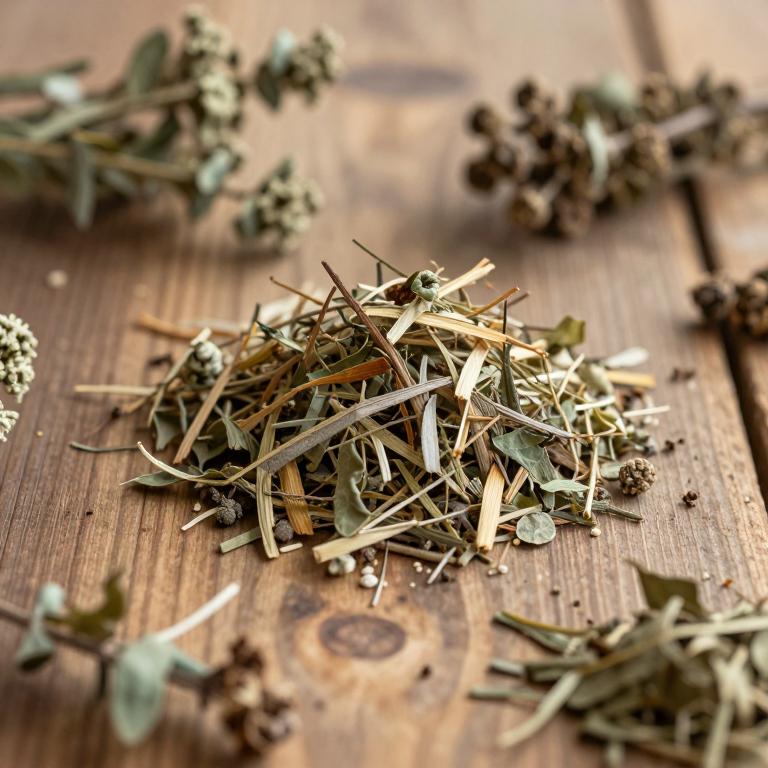
- Synonyms
- Dioclea Altissima · Dioclea Paraguariensis · 2 more
- Common names
- Not available
- Family
- Fabaceae
- Distribution
- Asia-Temperate
- Plant Parts
- Not available
Classification
Common Names
Macropsychanthus violaceus is a fascinating botanical species known by several distinct regional names. Depending on the local area, it is frequently referred to by the common name Catita. In certain regions, the plant is also identified as Catita-lisa to differentiate it from other varieties. Furthermore, it is widely recognized under the name Mucunã among different communities. These various labels highlight the rich linguistic diversity associated with this particular plant.
Sources: Catalogue of Life (COL)
Synonyms
Macropsychanthus violaceus is a plant species that has been subject to various taxonomic reclassifications over time. Due to these botanical shifts, it is closely associated with several recognized synonyms within the genus Dioclea. Specifically, it has been identified in scientific literature as Dioclea altissima and Dioclea paraguariensis. Furthermore, the species is linked to the names Dioclea pilifera and Dioclea violacea in different historical contexts. Understanding these overlapping names is essential for researchers tracking the botanical history of this plant.
Sources: The World Checklist of Vascular Plants (WCVP)
Taxonomy
Macropsychanthus violaceus is a unique botanical specimen belonging to the kingdom Plantae. Within this vast kingdom, the species is classified under the class Equisetopsida. It further falls into the order Fabales, showcasing its specific evolutionary lineage. The plant is a member of the diverse family Fabaceae, which links it to many well-known legumes. Ultimately, it is defined by its specific placement within the genus Macropsychanthus.
| Rank | Classification |
|---|---|
| Kingdom | Plantae |
| Phylum | Streptophyta |
| Class | Equisetopsida |
| Subclass | Magnoliidae |
| Order | Fabales |
| Family | Fabaceae |
| Genus | Macropsychanthus |
Sources: The World Checklist of Vascular Plants (WCVP)
Distribution
Geographic Regions
Macropsychanthus violaceus is a plant species with a wide-reaching distribution across South America. It is found extensively throughout Brazil, spanning multiple distinct geographic regions. Its presence is noted in the Northeast, South, and Southeast portions of the country. Additionally, the species inhabits the North and West-Central areas of Brazil. This widespread occurrence highlights the plant's adaptability to various Brazilian environments.
Sources: The World Checklist of Vascular Plants (WCVP)
Identification
Morphology
Macropsychanthus violaceus develops into a robust shrub that relies on its structural form for support. This species is characterized by an obligatory climbing habit, meaning it must ascend other vegetation to thrive.
Sources: Global Inventory of Floras and Traits (GIFT)
Biological Activities
Compounds
Macropsychanthus violaceus contains Mn2+ as part of its complex biochemical structure. Research involving lectins from the Diocleinae subtribe has revealed that these proteins frequently incorporate manganese ions into their functional sites. Using pulsed EPR spectroscopy, scientists have identified a conserved coordination environment involving a histidine residue and two water ligands. This specific binding site is a consistent feature across various species within the studied group. Such findings highlight the intricate metal-binding capabilities inherent to these plant lectins.
Conditions
Macropsychanthus violaceus possesses the biological capacity to treat apoptosis and high endothelial venule necrosis. It also acts to treat histamine release within the body. Furthermore, this plant is effective in treating inflammation. Finally, Macropsychanthus violaceus serves to treat lymph node T cells.