Lycopus
Lycopus · Accepted scientific name
Scientific literature: Very Sparse (2 studies) · ★☆☆☆☆
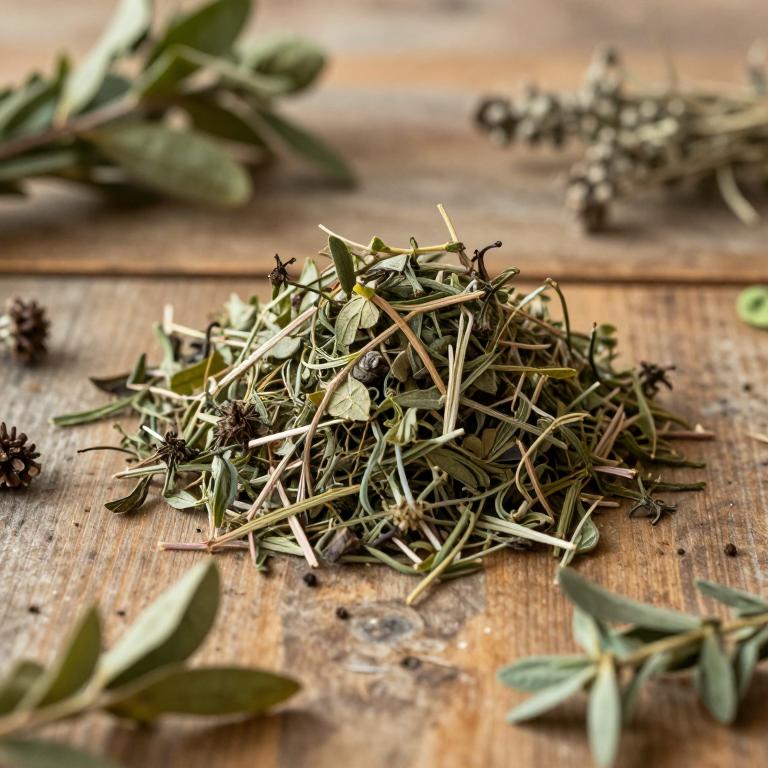
Lycopus is a fascinating genus of plants known for its diverse range of biological properties. The leaves of this plant serve as a primary source of its most potent medicinal components. Within these leaves, the presence of rosmarinic acid plays a crucial role in its therapeutic profile. This specific chemical provides the plant with significant antioxidant and antimicrobial activities. Consequently, Lycopus remains a subject of great interest in the study of natural bioactive compounds.
- Synonyms
- Euhemus
- Common names
- Not available
- Family
- Lamiaceae
- Distribution
- Not available
- Plant Parts
- Leaf
Classification
Common Names
Lycopus is a versatile plant that is recognized by several distinct regional names. In many areas, it is most commonly referred to as Bugleweed. Depending on the local dialect or tradition, it may also be known as Aandegopin or Erba sega. Some cultures further identify the species as Karbieniec to distinguish it from similar flora. Finally, the plant is sometimes simply called Lycopes, reflecting its botanical roots.
Sources: Catalogue of Life (COL)
Synonyms
Lycopus is a genus of plants that is frequently encountered in botanical studies and taxonomic discussions. Within the scientific literature, researchers often note that Lycopus has the synonym Euhemus. This nomenclature overlap can sometimes cause confusion for students navigating complex plant databases. Understanding these synonymous relationships is essential for maintaining accurate records in herbarium collections. Consequently, recognizing these overlapping names ensures that botanical classifications remain consistent and reliable.
Sources: The World Checklist of Vascular Plants (WCVP)
Taxonomy
Lycopus is a fascinating specimen that belongs to the vast kingdom Plantae. Within this biological realm, it is classified under the class Equisetopsida. The plant is further categorized into the order Lamiales, showcasing its specific evolutionary lineage. It is a prominent member of the family Lamiaceae, a group known for its distinct characteristics. Finally, it is defined by its unique genus, Lycopus, which distinguishes it from other related species.
| Rank | Classification |
|---|---|
| Kingdom | Plantae |
| Phylum | Streptophyta |
| Class | Equisetopsida |
| Subclass | Magnoliidae |
| Order | Lamiales |
| Family | Lamiaceae |
| Genus | Lycopus |
Sources: The World Checklist of Vascular Plants (WCVP)
Distribution
Geographic Regions
Lycopus exhibits a broad geographical presence that stretches across diverse and distinct regions. Its distribution encompasses the African continent, with specific occurrences noted throughout Northern Africa in Algeria, Morocco, and Tunisia. Additionally, the plant can be found within the Macaronesia region, including the Azores. Beyond these southern territories, its range extends into the temperate zones of Asia. Specifically, it is documented within the Caucasus, particularly throughout the North Caucasus region.
Sources: The World Checklist of Vascular Plants (WCVP)
Identification
Biological Activities
Lycopus species, specifically genotypes of L. europaeus and L. exaltatus, demonstrate significant biological potential through their diverse chemical compositions. Research indicates that leaf infusions from these taxa possess notable antimicrobial activity, particularly against Gram-positive bacteria such as Staphylococcus aureus. Beyond fighting infection, these plants also exhibit strong antioxidant properties driven by key compounds like rosmarinic acid and luteolin-7-O-glucuronide. Interestingly, studies show that combining these major compounds can result in a synergistic effect, allowing for a beneficial reduction in the required dose to achieve antioxidant results. Consequently, these findings highlight the value of Lycopus leaves as both a natural source of antioxidants and a promising topical antibacterial agent for medicinal applications.
Compounds
Lycopus is recognized as a notable medicinal species within the Lamiaceae family. Research indicates that this genus contains a significant amount of rosmarinic acid, often exceeding 3% based on dry weight. This high concentration of hydroxycinnamic derivatives contributes to the plant's overall chemical profile. Furthermore, these specific compounds are linked to the antioxidant activity found in hydroalcoholic extracts. Consequently, the presence of rosmarinic acid marks Lycopus as a chemically potent medicinal plant.
Conditions
Preparations
Parts used
Lycopus plants possess leaves that serve as a rich source of bioactive compounds, including phenolic acids and flavonoids. Research into leaf infusions of species like Lycopus europaeus has identified rosmarinic acid and luteolin-7-O-glucuronide as predominant components. These leaf extracts demonstrate significant antimicrobial activity, particularly against Gram-positive bacteria such as Staphylococcus aureus. Additionally, the leaves exhibit potent antioxidant properties that can be enhanced through synergistic interactions between their chemical constituents. Consequently, the leaves of the Lycopus genus represent a promising natural resource for medicinal applications in both antibacterial and antioxidant treatments.