Lychnophora
Lychnophora · Accepted scientific name
Scientific literature: Very Sparse (1 studies) · ★☆☆☆☆
Lychnophora is a fascinating genus of shrubs and trees primarily found in the high-altitude ecosystems of Brazil. These plants are highly regarded in traditional medicine for their diverse range of biological properties. Among its most significant medicinal uses is its potent role as an analgesic to help manage pain. Researchers continue to study its chemical compounds to better understand how they soothe inflammation and discomfort. This remarkable plant serves as a vital bridge between ancient botanical knowledge and modern therapeutic applications.
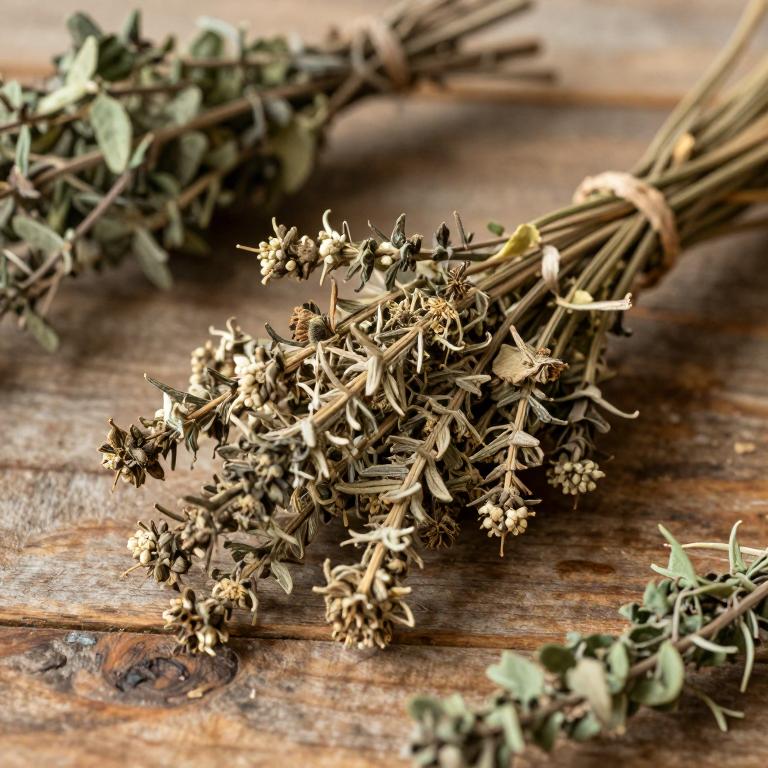
- Synonyms
- Haplostephium · Episcothamnus · 1 more
- Common names
- Not available
- Family
- Not available
- Distribution
- Not available
- Plant Parts
- Not available
Classification
Common Names
Lychnophora is a distinctive genus of plants that is commonly known by the name ihličnatka. This botanical group is frequently recognized for its unique structural characteristics that set it apart from other surrounding flora. Because of its specific growth patterns, it holds a significant place within its native ecological niche. Many enthusiasts and researchers value the plant for its specialized role in the local landscape. Understanding its identity is a crucial first step for anyone studying the diverse life found in these regions.
Sources: Catalogue of Life (COL)
Synonyms
Lychnophora is a complex genus that has undergone significant taxonomic revisions over time. Because of these botanical shifts, several other genera are now formally recognized as synonyms within the group. For instance, the names Episcothamnus and Haplostephium are both classified as synonyms of Lychnophora. Additionally, the genus Lychnophoriopsis is also considered a synonym in current botanical literature. Understanding these shifting relationships is essential for anyone studying the evolutionary history of these plants.
Sources: The World Checklist of Vascular Plants (WCVP)
Distribution
Geographic Regions
Lychnophora exhibits a broad and diverse distribution across various regions of South America. This genus is particularly prominent within Brazil, where it can be found spanning multiple distinct territories. Its presence extends throughout the Northeast, Southeast, and West-Central regions of the country. This widespread occurrence highlights the plant's ability to adapt to the varying climates found across the Brazilian landscape. Consequently, understanding its ecological role requires looking at these diverse geographic stretches as a whole.
Sources: The World Checklist of Vascular Plants (WCVP)
Identification
Biological Activities
Lychnophora species hold a significant place in Brazilian folk medicine due to their traditional use as analgesic and anti-inflammatory agents. Scientific investigations into these plants have highlighted the importance of bioactive components like chlorogenic acid (CGA), which is found in species such as Lychnophora salicifolia. Research indicates that CGA can exert direct inhibitory actions on the adhesive and locomotion properties of neutrophils. By reducing neutrophil migration and adhesion, these compounds contribute to the broader anti-inflammatory effects observed in the genus. Ultimately, these findings provide a biochemical basis for why Lychnophora is utilized to manage pain and inflammation.