Luvunga sarmentosa
Luvunga sarmentosa · Accepted scientific name
Scientific literature: Very Sparse (0 studies) · ★☆☆☆☆
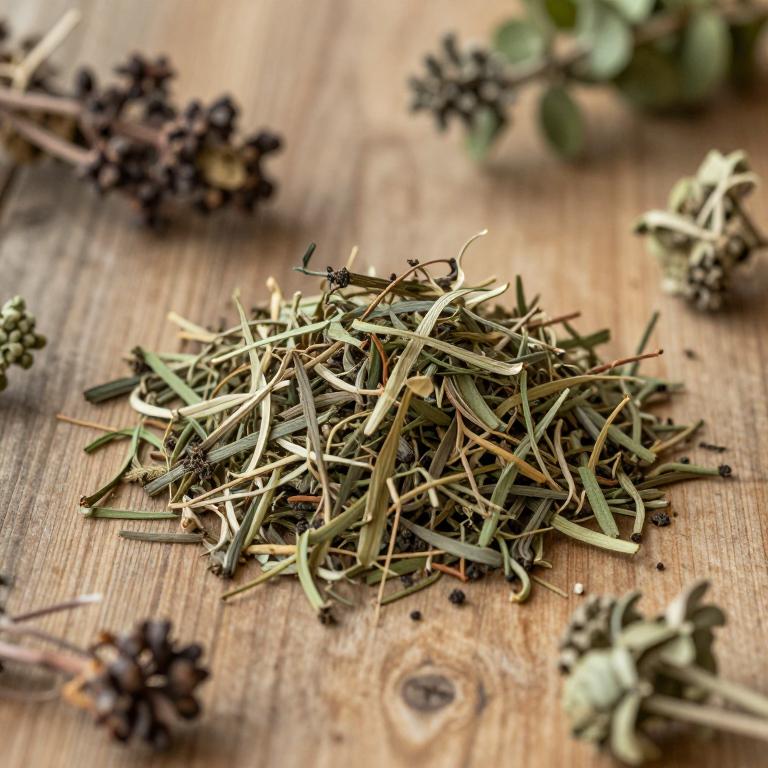
Luvunga sarmentosa is a distinctive climbing plant known for its unique botanical characteristics and medicinal potential. While many species in this genus are prized for their fragrant flowers, this particular plant is often studied for its lush, green foliage. The leaves serve as the primary plant part used in various traditional applications. When prepared as dried or fresh leaves, they can be utilized for specific therapeutic purposes. Understanding the proper use of these leaf preparations is essential for anyone exploring the botanical properties of this species.
- Synonyms
- Luvunga Tavoyana · Triphasia Sarmentosa · 1 more
- Common names
- Not available
- Family
- Rutaceae
- Distribution
- Southern America
- Plant Parts
- Leaf
Classification
Synonyms
Luvunga sarmentosa is a botanical species that is recognized by several different scientific names throughout history. Taxonomic literature identifies several synonyms for this plant, including the designation Lampetia sarmentosa. It is also frequently referred to in older studies as Luvunga crassifolia or Luvunga linearis. Furthermore, the plant has been cataloged under the names Luvunga tavoyana and Triphasia sarmentosa. Understanding these various nomenclatures is essential for researchers navigating the complex lineage of this species.
Sources: The World Checklist of Vascular Plants (WCVP)
Taxonomy
Luvunga sarmentosa is a unique botanical specimen that belongs to the vast kingdom Plantae. Within this expansive group, the plant is classified under the class Equisetopsida. It further belongs to the order Sapindales, showcasing its specific evolutionary placement. The species is a distinguished member of the genus Luvunga. Finally, it is categorized within the family Rutaceae, highlighting its botanical lineage.
| Rank | Classification |
|---|---|
| Kingdom | Plantae |
| Phylum | Streptophyta |
| Class | Equisetopsida |
| Subclass | Magnoliidae |
| Order | Sapindales |
| Family | Rutaceae |
| Genus | Luvunga |
Sources: The World Checklist of Vascular Plants (WCVP)
Distribution
Geographic Regions
Luvunga sarmentosa is a distinctive plant species with a broad presence across the tropical regions of Asia. Its natural range extends through the lush landscapes of Indo-China, including specific populations found in Vietnam. The species is also widely distributed throughout Malesia, establishing itself within the diverse ecosystems of Borneo. Furthermore, its reach continues into the island of Sumatera, highlighting its importance to the regional flora. This widespread distribution underscores the plant's ability to thrive in various tropical habitats across the continent.
Sources: The World Checklist of Vascular Plants (WCVP)
Identification
Morphology
Luvunga sarmentosa is a tree-like plant that relies on an obligatory climbing habit to reach higher elevations. This specialized growth form allows it to ascend through the forest canopy to secure necessary sunlight.
Sources: Global Inventory of Floras and Traits (GIFT)
Biological Activities
Compounds
Conditions
Preparations
Luvunga sarmentosa is prepared as leaves for the extraction of specific chemical compounds. Researchers utilized these leaves to yield two new apotirucallane triterpenoids, specifically 3-epi-skimmiarepin A and 21,23-epoxy-7alpha,21-dihydroxyapotirucalla-14,24-dien-3-one. Additionally, the leaf material provided a new tirucallane triterpene known as 3-epi-flindissol. The chemical properties of these leaf-derived substances were further studied through oxidation into corresponding gamma-lactones. Structural elucidation of these components was successfully achieved using mass and NMR spectroscopic methods.
Parts used
Luvunga sarmentosa serves as a significant source of diverse chemical compounds, particularly within its foliage. Scientific analysis of the plant's leaf has successfully yielded unique apotirucallane and tirucallane triterpenoids. Among these discoveries are 3-epi-skimmiarepin A and 21,23-epoxy-7alpha,21-dihydroxyapotirucalla-14,24-dien-3-one, both of which are novel to the species. Additionally, the researchers identified a new triterpene known as 3-epi-flindissol through detailed study. The structural complexity of these leaf-derived components was ultimately confirmed using advanced mass and NMR spectroscopic methods.