Lupinus argenteus subsp. argenteus
Lupinus argenteus subsp. argenteus · Accepted scientific name
Scientific literature: Very Sparse (0 studies) · ★☆☆☆☆
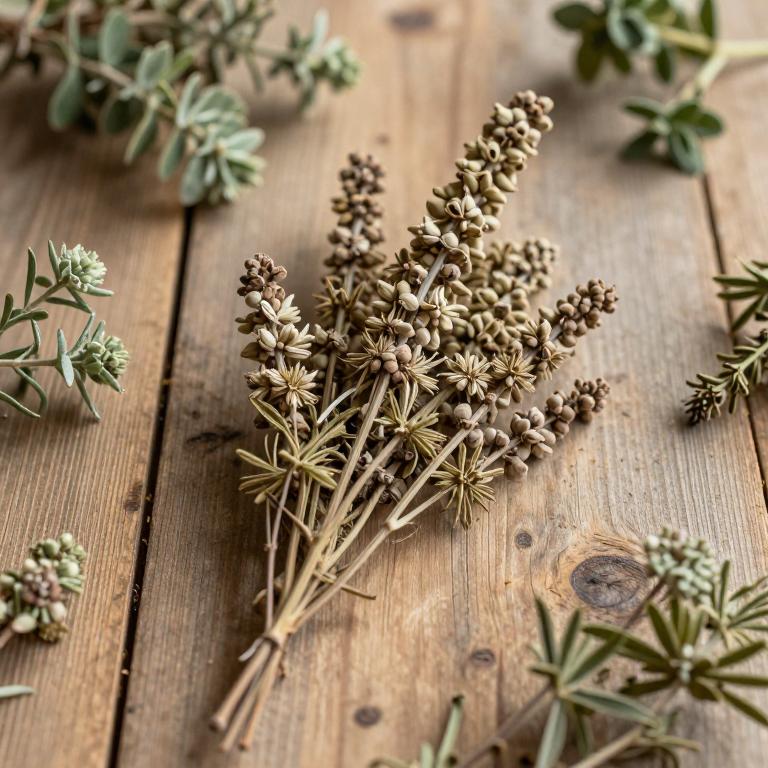
Lupinus argenteus subsp. argenteus is a distinctive perennial plant recognized for its striking silvery foliage and vibrant floral displays. Found typically in coastal or sandy environments, this subspecies plays a vital role in its native ecosystems. Beyond its aesthetic appeal, the plant is of significant interest to researchers studying complex botanical compounds. One such notable chemical constituent found within the species is the alkaloid (-)-alpha-isosparteine. Understanding these chemical properties offers deeper insight into the biological complexity of this lupine variety.
- Synonyms
- Lupinus Hendersonii · Lupinus Flavopinuum · 47 more
- Common names
- Not available
- Family
- Fabaceae
- Distribution
- Not available
- Plant Parts
- Not available
Classification
Common Names
Lupinus argenteus subsp. argenteus is a distinctive botanical specimen known by several different names. In many regions, it is most frequently referred to by its common name, the silvery lupine. Some enthusiasts and local guides also recognize it as the lupin argenté. This naming variation reflects the plant's striking, shimmering foliage that gives it such a unique character. Understanding these various designations helps gardeners and naturalists identify this beautiful species more easily in the wild.
Sources: Catalogue of Life (COL)
Synonyms
Lupinus argenteus subsp. argenteus is a complex botanical entity characterized by a wide array of recognized synonyms. Within taxonomic literature, this specific subspecies is frequently identified by the name Lupinus abiesicola. It is also known through various other scientific designations, such as Lupinus acclivatatis and Lupinus achilleaphilus. Further nomenclatural variations include the terms Lupinus alexanderae and Lupinus alicanescens. Understanding these overlapping identities is essential for accurate classification and study of the species.
Sources: The World Checklist of Vascular Plants (WCVP)
Taxonomy
Lupinus argenteus subsp. argenteus is a distinct botanical entity that belongs to the vast kingdom Plantae. Within this kingdom, it is classified under the class Equisetopsida, reflecting its fundamental plant characteristics. Its taxonomic journey continues through the order Fabales, which connects it to a diverse group of flowering plants. Furthermore, it is a member of the specific genus Lupinus, a group known for its striking floral displays. Ultimately, this subspecies is firmly rooted in the family Fabaceae, showcasing its evolutionary relationship to other legumes.
| Rank | Classification |
|---|---|
| Kingdom | Plantae |
| Phylum | Streptophyta |
| Class | Equisetopsida |
| Subclass | Magnoliidae |
| Order | Fabales |
| Family | Fabaceae |
| Genus | Lupinus |
Sources: The World Checklist of Vascular Plants (WCVP)
Distribution
Geographic Regions
Lupinus argenteus subsp. argenteus maintains an expansive geographic range that stretches across a significant portion of North America. This subspecies is widely distributed through various regions of Mexico, including both the northeast and northwest territories. Moving northward, its presence is firmly established within the North-Central United States. Specifically, it can be found flourishing in the landscapes of Nebraska, North Dakota, and South Dakota. Such a broad distribution highlights the plant's ability to adapt to diverse environments across the continent.
Sources: The World Checklist of Vascular Plants (WCVP)
Identification
Biological Activities
Compounds
Lupinus argenteus subsp. argenteus serves as a notable biological source for the rare alkaloid known as alpha-isosparteine. Through the use of combined GLC-mass spectrometry, researchers identified this specific sparteine isomer as a major component within the plant's aboveground portions. The isolation of this compound revealed it to be one of the least common isomers among the known sparteine varieties. Preliminary pharmacological evaluations have even highlighted its unique physiological properties when applied to rat myocardium. Specifically, studies indicate that alpha-isosparteine exhibits a more rapid onset and a shorter duration of action than the more common (-)-sparteine.