Lupinus amandus
Lupinus amandus · Accepted scientific name
Scientific literature: Very Sparse (3 studies) · ★☆☆☆☆
Lupinus amandus, scientifically known as Lupinus amandus, is a remarkable medicinal plant valued for its diverse therapeutic properties. Renowned for its potent bioactive compounds, it serves as a natural remedy in various traditional healing practices. This guide explores its unique botanical characteristics, medicinal uses, and potential health benefits.
- Family
- Fabaceae
- Native range
- Southern America
- Parts used
- Not available
- Common names
- Not available
- Scientific synonyms
- Not available
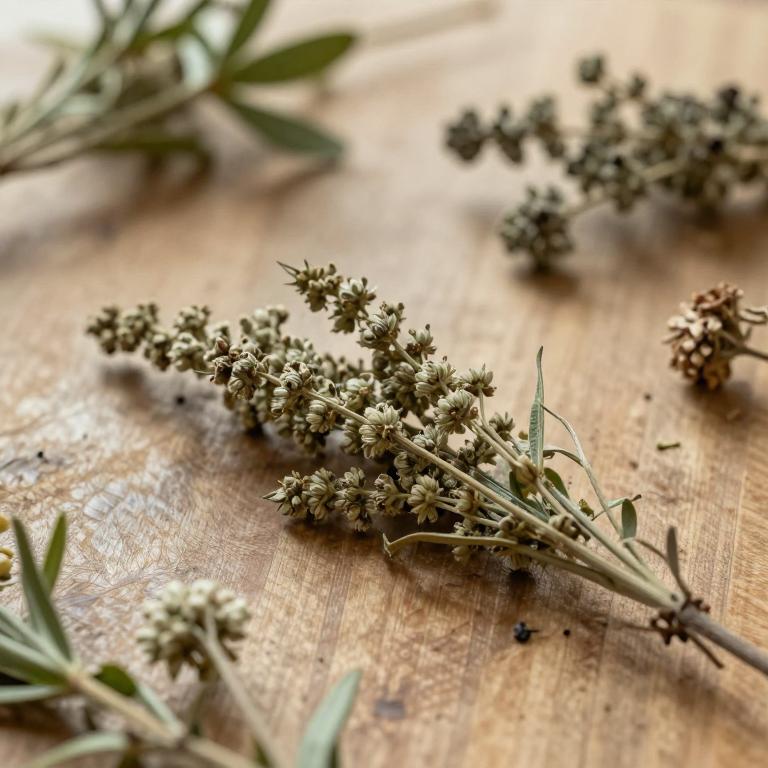
Names and Synonyms
Scientific Names
Accepted name
Lupinus amandusRegional and Traditional Names
Spanish:
- Chocho
Sources: Wikidata, Catalogue of Life
Taxonomical Classification
This plant belongs to the kingdom Plantae and is classified within the phylum Streptophyta and the class Equisetopsida. As a member of the subclass Magnoliidae and the order Fabales, it is situated within the family Fabaceae. Finally, it is categorized under the genus Lupinus.
| Rank | Classification |
|---|---|
| Kingdom | Plantae |
| Phylum | Streptophyta |
| Class | Equisetopsida |
| Subclass | Magnoliidae |
| Order | Fabales |
| Family | Fabaceae |
| Genus | Lupinus |
Sources: The World Checklist of Vascular Plants (WCVP)
Distribution
This plant, known scientifically as Lupinus amandus, possesses a very specific and limited natural range. Its geographical distribution is confined primarily to the region of Western South America. Within this vast continent, the species is specifically found inhabiting areas of Colombia. Because its presence is localized to this particular territory, it is considered a regional specialist. Understanding this narrow habitat is essential for the conservation of the species in its native environment.
| Region | Area |
|---|---|
| Western South America | Colombia |
Sources: The World Checklist of Vascular Plants (WCVP)
Botanical Identification
Ecology
The ecology of Lupinus amandus is characterized by its specialization within high-altitude montane environments, where it occupies a distinct vertical niche. This species is specifically adapted to thrive within an elevational range that spans from a minimum of 2700 m AMSL to a maximum of 3800 m AMSL. Within this altitudinal belt, the plant must navigate the unique environmental pressures of alpine or sub-alpine ecosystems, including intense solar radiation, significant temperature fluctuations, and thinner atmospheric conditions typical of such heights. Its distribution suggests a preference for the specific soil compositions and microclimates found in these high-elevation zones, allowing it to maintain its ecological role within these specialized mountain habitats.
- Elevational range max:
- 3800 m AMSL
- Elevational range min:
- 2700 m AMSL
Morphology
The morphology of Lupinus amandus is characterized by a growth form classified as a herb, exhibiting a non-woody structure throughout its development. This plant is strictly terrestrial in its habitat, lacking any aquatic or semiaquatic tendencies, and does not function as an epiphyte in any capacity. As a self-supporting organism, it does not exhibit climbing habits such as a vine or liana, nor does it require external support to maintain its stature. Furthermore, it is an independent species that does not exhibit parasitic behavior, maintaining its own nutritional requirements without reliance on a host.
- Aquatic :
- terrestrial
- Climber :
- self-supporting
- Epiphyte :
- terrestrial
- Growth form :
- herb
- Parasite :
- independent
- Woodiness :
- non-woody
Sources: Global Inventory of Floras and Traits (GIFT)
Activities
Lupinus amandus has 2 reported activities identified across 0 scientific publications and several other databases. The most consistently reported activities include Antihypertensive, Vasodilator.
| Activity | Supporting sources | Consensus |
|---|---|---|
| Antihypertensive | 1 supporting sources | ★☆☆☆☆ |
| Vasodilator | 1 supporting sources | ★☆☆☆☆ |
Antihypertensive
- Journal of ethnopharmacology
Vasodilator
- Journal of ethnopharmacology
Conditions
Lupinus amandus has 1 reported investigations on conditions identified across 0 scientific publications and several other databases. The most consistently reported conditions include hypertension.
| Condition | Supporting sources | Consensus |
|---|---|---|
| Hypertension | 1 supporting sources | ★☆☆☆☆ |
Hypertension
- Journal of ethnopharmacology
Preparations
Lupinus amandus has 1 reported preparations identified across 0 scientific publications and several other databases. The most consistently reported preparations include ethanolic extracts.
| Preparation | Supporting sources | Consensus |
|---|---|---|
| Ethanolic extracts | 1 supporting sources | ★☆☆☆☆ |
Ethanolic extracts
- Journal of ethnopharmacology