Lupinus albus subsp. albus
Lupinus albus subsp. albus · Accepted scientific name
Scientific literature: Very Sparse (0 studies) · ★☆☆☆☆
Lupinus albus subsp. albus, commonly known as the white lupin, is a versatile legume valued for its distinct botanical properties. The plant's seeds are particularly noteworthy due to their high concentration of essential minerals like calcium and phosphorus. When consumed as raw seeds, these botanical components can contribute to specific metabolic functions within the body. Research has highlighted that this plant part may exert a notable hypoglycemic effect, assisting in blood sugar regulation. Understanding these chemical profiles makes this subspecies a subject of significant interest in nutritional studies.
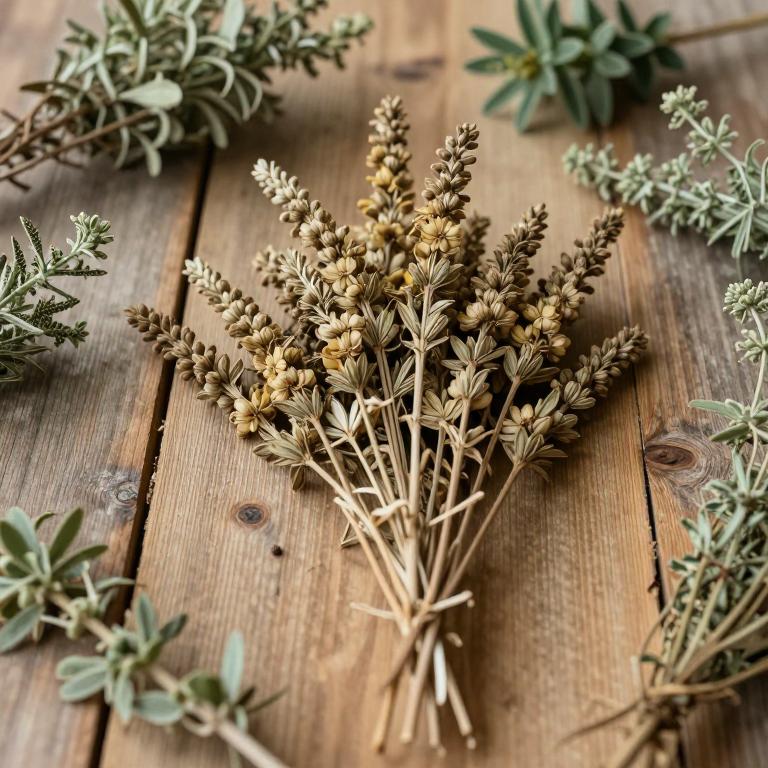
- Synonyms
- Lupinus Albus Subsp. Termis · Lupinus Albus F. Libkindae · 12 more
- Common names
- Not available
- Family
- Fabaceae
- Distribution
- Pacific
- Plant Parts
- Seed
Classification
Common Names
Lupinus albus subsp. albus is a distinctive plant widely recognized by its common name, the Weiße Lupine. This subspecies belongs to the broader lupine family and is celebrated for its striking architectural form. Its identity is deeply rooted in its botanical classification, which helps gardeners and scientists distinguish it from other varieties. By understanding its specific nomenclature, enthusiasts can better appreciate the unique characteristics that define this white-flowered specimen. Ultimately, the relationship between its scientific designation and its common name provides a clear guide for anyone studying this beautiful species.
Sources: Catalogue of Life (COL)
Synonyms
Lupinus albus subsp. albus is a complex taxon characterized by several recognized botanical synonyms. Within its taxonomic history, it has been identified through various names such as Lupinus albus f. libkindae and Lupinus albus proles termis. The classification further includes the designations Lupinus albus subsp. termis and Lupinus albus var. termis. Additionally, the plant is linked to the synonym Lupinus albus var. vavilovii. Understanding these diverse nomenclatural relationships is essential for accurate botanical identification.
Sources: The World Checklist of Vascular Plants (WCVP)
Taxonomy
Lupinus albus subsp. albus is a distinguished member of the kingdom Plantae. This botanical specimen belongs to the class Equisetopsida and is categorized under the order Fabales. Within this classification, it is further identified by its membership in the family Fabaceae. Ultimately, the plant is defined by its placement within the genus Lupinus. Understanding these biological relationships provides essential insight into its evolutionary heritage.
| Rank | Classification |
|---|---|
| Kingdom | Plantae |
| Phylum | Streptophyta |
| Class | Equisetopsida |
| Subclass | Magnoliidae |
| Order | Fabales |
| Family | Fabaceae |
| Genus | Lupinus |
Sources: The World Checklist of Vascular Plants (WCVP)
Distribution
Geographic Regions
Lupinus albus subsp. albus displays a widespread geographical presence that spans across the African continent and various Atlantic archipelagos. Its distribution includes significant stretches of Northern Africa, with specific populations identified in regions such as Algeria and Egypt. Beyond the mainland, this subspecies is found throughout Macaronesia, establishing a foothold in the Azores, Madeira, and the Canary Islands. This broad range highlights the plant's ability to adapt to diverse Mediterranean and oceanic environments. Consequently, understanding its presence across these different territories provides valuable insight into its ecological reach.
Sources: The World Checklist of Vascular Plants (WCVP)
Identification
Biological Activities
Compounds
Lupinus albus subsp. albus is part of a genus where the metabolic pathways for quinolizidine alkaloids vary significantly between different species. Within certain Lupinus plants, specialized enzymes facilitate the biosynthesis of complex alkaloids through specific acyltransferase activity. A key component of this chemical profile is the presence of (-)-13 alpha-hydroxymultiflorine, a tetracyclic quinolizidine alkaloid. The metabolism of this compound is driven by a novel O-tigloyltransferase that catalyzes the transfer of tigloyl groups from tigloyl-CoA. This enzymatic process is essential for the accumulation of tigloyl-ester-type alkaloids, distinguishing certain species from those that only produce non-ester-type alkaloids.
Conditions
Lupinus albus subsp. albus demonstrates therapeutic potential by treating postprandial blood glucose concentration, as evidenced by clinical tests using lupin marmalades. This plant is also utilized by unorthodox healers as an alleged treatment for arthritic pain. Research indicates that lupin varieties can impact the blood constituents of rats, specifically affecting total serum protein and albumin/globulin ratios. Furthermore, the presence of these legumes in a diet is useful for controlling blood glucose levels in diabetic people. Finally, extracts from related species such as Lupinus termis have been shown to be effective in the treatment of chronic eczema.
Preparations
Lupinus albus subsp. albus is prepared as raw seeds within certain dietary contexts. These raw seeds are characterized by having low protein efficiency ratio and net protein ratio values. While the seeds contain high protein, calcium, and phosphorus, their biological value improves significantly through processing. Specifically, roasting or germination serves to increase the nutritional effectiveness compared to the raw state. This preparation method directly influences the overall biochemical and biological evaluation of the legume.
Parts used
Lupinus albus subsp. albus is a plant species characterized by the production of valuable seeds. These seeds serve as significant sources of essential nutrients, including high protein content, calcium, and phosphorus. Scientific evaluations indicate that the nutritional quality of the seeds can be enhanced through processes like roasting or germination. Beyond dietary benefits, extracts derived from the seeds have demonstrated medicinal potential in treating skin conditions such as chronic eczema. Consequently, the seeds of this plant represent both a functional food source and a candidate for therapeutic applications.