Ludwigia epilobioides
Ludwigia epilobioides · Accepted scientific name
Scientific literature: Very Sparse (23 studies) · ★☆☆☆☆
Ludwigia epilobioides, scientifically known as Ludwigia epilobioides, is a distinctive medicinal plant belonging to the Onagraceae family. Often found in wetland ecosystems, this species is valued in traditional medicine for its unique bioactive compounds. Researchers continue exploring its potential pharmacological properties, particularly regarding its anti-inflammatory and antioxidant capabilities.
- Family
- Not available
- Native range
- Asia-Temperate
- Parts used
- Not available
- Common names
- Not available
- Scientific synonyms
- Not available
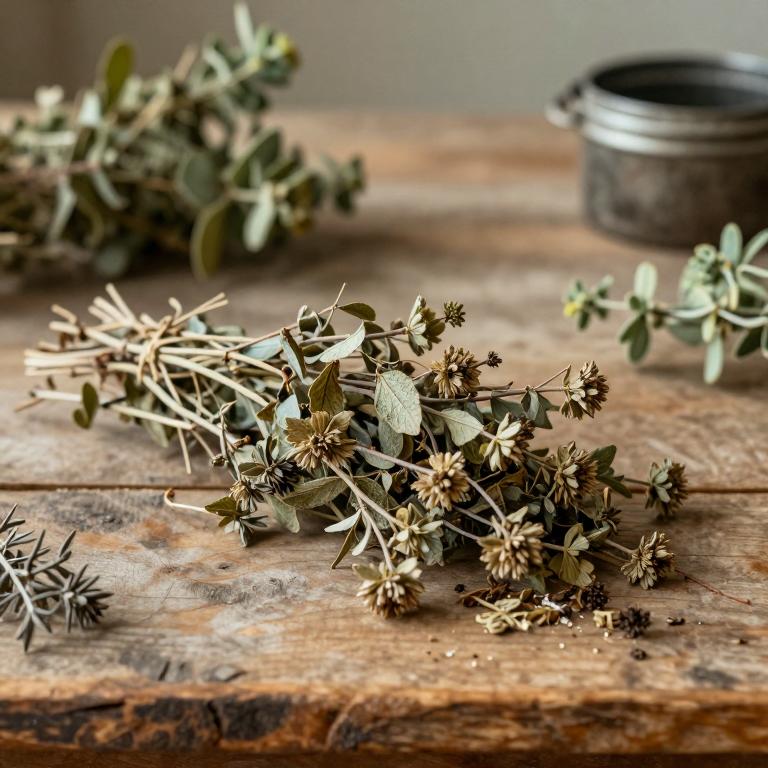
Names and Synonyms
Scientific Names
Accepted name
Ludwigia epilobioidesDistribution
This plant exhibits a broad geographical distribution across several distinct regions of China. It can be found growing in the South-Central part of the country as well as on the island of Hainan. Its presence extends to the northern territories, including the provinces of Inner Mongolia and Manchuria. Additionally, the species is documented within the China North-Central region. Together, these locations demonstrate the wide environmental range inhabited by Ludwigia epilobioides.
| Region | Area |
|---|---|
| China | China South-Central |
| China | Hainan |
| China | Inner Mongolia |
| China | Manchuria |
| China | China North-Central |
| China | China Southeast |
| Eastern Asia | Japan |
| Eastern Asia | Korea |
| Eastern Asia | Nansei-shoto |
| Eastern Asia | Taiwan |
Sources: The World Checklist of Vascular Plants (WCVP)
Botanical Identification
Ecology
The ecology of Ludwigia epilobioides is characterized by its specific niche within montane environments, where it thrives across a distinct altitudinal gradient. This species is strategically distributed within an elevational range that begins at a minimum of 500 m AMSL and extends up to a maximum of 1600 m AMSL. Within this vertical span, the plant occupies various microhabitats that support its growth, typically favoring moisture-rich areas consistent with the requirements of the Onagraceae family. Its presence across these specific elevations suggests an adaptation to the varying temperature regimes and humidity levels found in mid-to-high altitude tropical or subtropical zones, allowing it to play a role in the local biological community within these defined topographical limits.
- Elevational range max:
- 1600 m AMSL
- Elevational range min:
- 500 m AMSL
Morphology
The morphology of Ludwigia epilobioides is characterized by its growth form as a herb, exhibiting a relatively delicate structure typical of many species within its genus. This plant is strictly non-woody, lacking any significant lignified tissue or permanent woody stems, which contributes to its soft, herbaceous habit.
- Growth form :
- herb
- Woodiness :
- non-woody
Sources: Global Inventory of Floras and Traits (GIFT)
Chemicals
Ludwigia epilobioides has 4 reported phytochemicals identified across 0 scientific publications and several other databases. The most consistently reported chemicals include Isoorientin, Isovitexin, Orientin, Vitexin.
| Chemical | Supporting sources | Consensus |
|---|---|---|
| Isoorientin | 1 supporting sources | ★☆☆☆☆ |
| Isovitexin | 1 supporting sources | ★☆☆☆☆ |
| Orientin | 1 supporting sources | ★☆☆☆☆ |
| Vitexin | 1 supporting sources | ★☆☆☆☆ |
Isoorientin
- Dr. Duke
Isovitexin
- Dr. Duke
Orientin
- Dr. Duke
Vitexin
- Dr. Duke
Activities
Ludwigia epilobioides has 19 reported activities identified across 0 scientific publications and several other databases. The most consistently reported activities include ACE-Inhibitor, Aldose-Reductase-Inhibitor, Antiarrhythmic, Antibradiquinic, Antidermatitic.
| Activity | Supporting sources | Consensus |
|---|---|---|
| ACE-Inhibitor | 1 supporting sources | ★☆☆☆☆ |
| Aldose-Reductase-Inhibitor | 1 supporting sources | ★☆☆☆☆ |
| Antiarrhythmic | 1 supporting sources | ★☆☆☆☆ |
| Antibradiquinic | 1 supporting sources | ★☆☆☆☆ |
| Antidermatitic | 1 supporting sources | ★☆☆☆☆ |
| Antihistaminic | 1 supporting sources | ★☆☆☆☆ |
| Antiinflammatory | 1 supporting sources | ★☆☆☆☆ |
| Antioxidant | 1 supporting sources | ★☆☆☆☆ |
| Antiperoxidant | 1 supporting sources | ★☆☆☆☆ |
| Antiserotoninic | 1 supporting sources | ★☆☆☆☆ |
ACE-Inhibitor
- Dr. Duke
Aldose-Reductase-Inhibitor
- Dr. Duke
Antiarrhythmic
- Dr. Duke
Antibradiquinic
- Dr. Duke
Antidermatitic
- Dr. Duke
Antihistaminic
- Dr. Duke
Antiinflammatory
- Dr. Duke
Antioxidant
- Dr. Duke
Antiperoxidant
- Dr. Duke
Antiserotoninic
- Dr. Duke