Lucuma
Lucuma · Accepted scientific name
Scientific literature: Very Sparse (0 studies) · ★☆☆☆☆
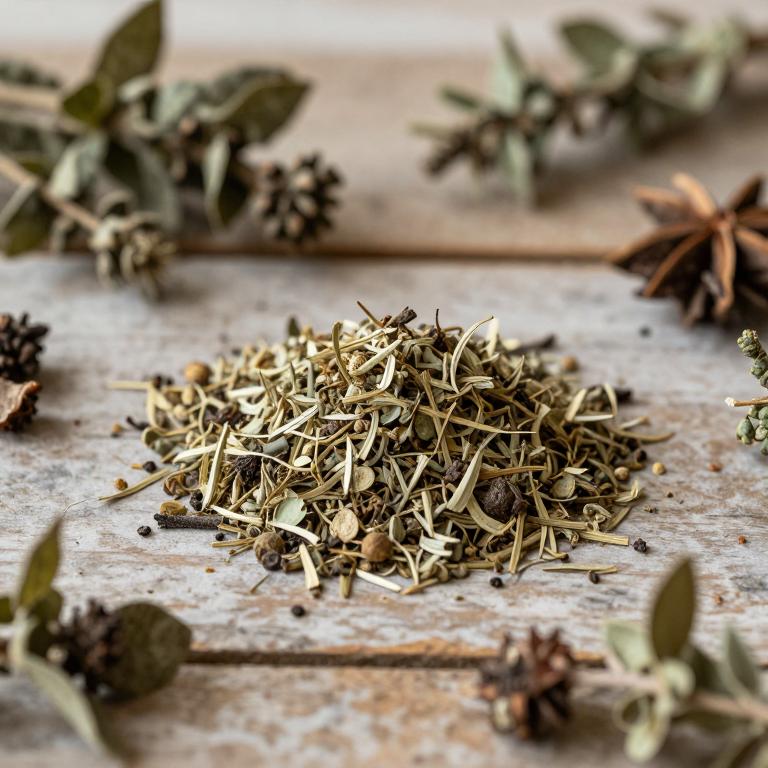
Lucuma is a fascinating subtropical fruit native to the Andean valleys of Peru. Often referred to as "gold from the Incas," this versatile plant is prized for its unique maple-like flavor. It is commonly consumed in its fresh fruit form or processed into a fine, nutrient-dense powder. This powder has become a global sensation, serving as a healthy additive for smoothies, desserts, and baked goods. Whether enjoyed fresh or as a convenient supplement, lucuma offers a delicious way to experience ancient Andean traditions.
- Synonyms
- Radlkoferella · Richardella
- Common names
- Not available
- Family
- Sapotaceae
- Distribution
- Not available
- Plant Parts
- Not available
Classification
Common Names
Lucuma is a versatile fruit known widely by its common name, lukuma. In certain regions, it is also referred to by the descriptive term 蛋黃果屬 due to its unique appearance. This cultural variety in naming highlights the plant's diverse presence across different linguistic backgrounds. Whether called lukuma or by its more specialized name, the fruit remains a prized botanical treasure. Understanding these various identifiers helps enthusiasts better appreciate the global reach of this delicious species.
Sources: Catalogue of Life (COL)
Synonyms
Lucuma is a fascinating genus that has been documented through various botanical classifications over time. Within the scientific literature, it is noted that this plant is also recognized by the synonym Radlkoferella. Additionally, taxonomic records indicate that Richardella serves as another synonymous name for the group. These overlapping designations highlight the complex evolutionary history and the evolving nature of plant nomenclature. Understanding these relationships is essential for researchers seeking to accurately identify and study this unique species.
Sources: The World Checklist of Vascular Plants (WCVP)
Taxonomy
Lucuma belongs to the vast kingdom Plantae, marking its place among the diverse living organisms on Earth. Within this kingdom, it is classified under the class Equisetopsida, distinguishing it through its specific biological structures. The plant further follows the order Ericales, which helps botanists understand its evolutionary lineage. It is a member of the Sapotaceae family, a group known for producing various nutritious and flavorful fruits. Finally, its unique identity is solidified within its own specific genus, Lucuma.
| Rank | Classification |
|---|---|
| Kingdom | Plantae |
| Phylum | Streptophyta |
| Class | Equisetopsida |
| Subclass | Magnoliidae |
| Order | Ericales |
| Family | Sapotaceae |
| Genus | Lucuma |
Sources: The World Checklist of Vascular Plants (WCVP)
Distribution
Geographic Regions
Lucuma exhibits a diverse geographical presence that spans across multiple continents. In Asia, the plant is established within the tropical regions of Indo-China and Cambodia. Its reach extends significantly into Northern America, where it is widely distributed throughout Mexico. Within the Mexican landscape, it can be found in the Central, Gulf, Northeast, and Northwest territories. This wide-ranging distribution highlights the plant's ability to thrive in various distinct environments.
Sources: The World Checklist of Vascular Plants (WCVP)
Identification
Biological Activities
Compounds
Conditions
Preparations
Lucuma is prepared as both a fruit and a powder for various dietary applications. This versatile native Peruvian plant is utilized in these distinct forms to evaluate its potential health benefits. Research indicates that both the fruit and the powder can be analyzed for their specific phenolic compositions. The study examines these preparations to determine their effectiveness in managing conditions like hyperglycemia. Consequently, the dual use of Lucuma as a fruit and a powder highlights its importance in traditional and functional food studies.