trefoil
Lotus · Accepted scientific name
Scientific literature: Very Sparse (28 studies) · ★☆☆☆☆
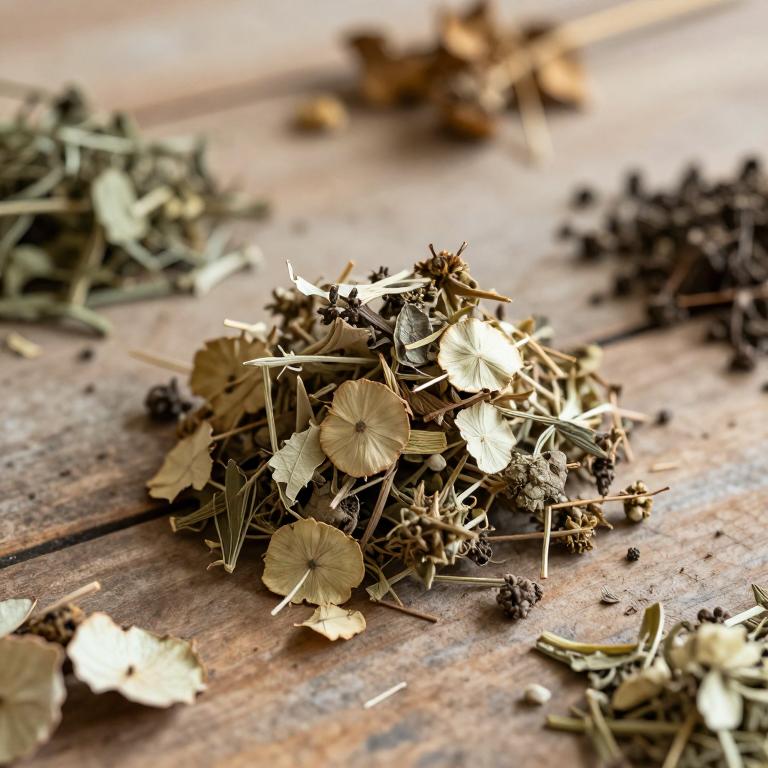
Trefoil, scientifically known as Lotus, is a revered aquatic plant celebrated for its profound medicinal and spiritual significance. Renowned for its ability to thrive in murky waters, it offers potent antioxidant, anti-inflammatory, and calming properties. Often used in traditional healing, the lotus symbolizes purity, resilience, and holistic wellness.
Names and Synonyms
Common Names
- trefoil
- Bird's-Foot-Trefoil
- bird's-foot trefoils
Scientific Names
Accepted name
LotusSynonyms
- Flundula
- Ortholotus
- Krokeria
- Mullaghera
- Scandalida
- Andaca
- Lotulus
- Miediega
- Benedictella
- Lotea
- Dorycnium
- Heinekenia
- Bonjeanea
- Tetragonolobus
- Pedrosia
Regional and Traditional Names
Spanish:
- Lotos o tréboles
German:
- Hornklee
- Backenklee
- Hornklee
French:
- lotier
- lotier
- lotiers
Sources: Wikidata, Catalogue of Life
Taxonomical Classification
This plant belongs to the kingdom Plantae and the phylum Streptophyta, specifically classified within the class Equisetopsida and subclass Magnoliidae. It is further categorized under the order Fabales and the family Fabaceae. Finally, its taxonomic identity is defined by the genus Lotus.
| Rank | Classification |
|---|---|
| Kingdom | Plantae |
| Phylum | Streptophyta |
| Class | Equisetopsida |
| Subclass | Magnoliidae |
| Order | Fabales |
| Family | Fabaceae |
| Genus | Lotus |
Sources: The World Checklist of Vascular Plants (WCVP)
Distribution
This plant exhibits a specific geographical presence across various regions of Northern Europe. Within this part of the continent, it can be found growing in the country of Denmark. The distribution also extends to the northern territories of Finland and the islands of Føroyar. Additionally, the plant is documented to exist throughout Great Britain. Finally, its range reaches the remote and rugged landscape of Iceland.
| Region | Area |
|---|---|
| Northern Europe | Denmark |
| Northern Europe | Finland |
| Northern Europe | Føroyar |
| Northern Europe | Great Britain |
| Northern Europe | Iceland |
| Northern Europe | Ireland |
| Northern Europe | Norway |
| Northern Europe | Sweden |
| Middle Europe | Austria |
| Middle Europe | Belgium |
Sources: The World Checklist of Vascular Plants (WCVP)
Plant Parts
Lotus has 5 reported plant parts identified across 15 scientific publications and several other databases that are studied for medicinal purposes. The most consistently reported plant part include seed, leaf, rhizome, flower, stem.
| Plant part | Supporting sources | Consensus |
|---|---|---|
| Seed | 7 supporting sources | ★★★★☆ |
| Leaf | 4 supporting sources | ★★☆☆☆ |
| Rhizome | 2 supporting sources | ★☆☆☆☆ |
| Flower | 1 supporting sources | ★☆☆☆☆ |
| Stem | 1 supporting sources | ★☆☆☆☆ |
Seed
- The Journal of pharmacy and pharmacology
- Toxins
- Frontiers in nutrition
- Current research in food science
- Environmental toxicology
View 2 additional sources
- Evidence-based complementary and alternative medicine : eCAM
- Food chemistry
Leaf
- Journal of ethnopharmacology
- Evidence-based complementary and alternative medicine : eCAM
- Frontiers in pharmacology
- Journal of agricultural and food chemistry
Rhizome
- International journal of molecular sciences
- Evidence-based complementary and alternative medicine : eCAM
Flower
- Evidence-based complementary and alternative medicine : eCAM
Stem
- Zhongguo Zhong yao za zhi = Zhongguo zhongyao zazhi = China journal of Chinese materia medica
Chemicals
Lotus has 2 reported phytochemicals identified across 15 scientific publications and several other databases. The most consistently reported chemicals include PA, PAS.
| Chemical | Supporting sources | Consensus |
|---|---|---|
| PA | 1 supporting sources | ★☆☆☆☆ |
| PAS | 1 supporting sources | ★☆☆☆☆ |
PA
- Plant cell reports
PAS
- Plant cell reports
Preparations
Lotus has 11 reported preparations identified across 15 scientific publications and several other databases. The most consistently reported preparations include Gusetsu, He-Ye, Kakou, Kayou, Lotus stems.
| Preparation | Supporting sources | Consensus |
|---|---|---|
| Gusetsu | 1 supporting sources | ★☆☆☆☆ |
| He-ye | 1 supporting sources | ★☆☆☆☆ |
| Kakou | 1 supporting sources | ★☆☆☆☆ |
| Kayou | 1 supporting sources | ★☆☆☆☆ |
| Lotus stems | 1 supporting sources | ★☆☆☆☆ |
| Renbou | 1 supporting sources | ★☆☆☆☆ |
| Rensu | 1 supporting sources | ★☆☆☆☆ |
| Freeze-dried and ground lotus | 1 supporting sources | ★☆☆☆☆ |
| Fresh-minced | 1 supporting sources | ★☆☆☆☆ |
| Fresh-minced lotus | 1 supporting sources | ★☆☆☆☆ |
Gusetsu
- Bioorganic & medicinal chemistry letters
He-ye
- Frontiers in pharmacology
Kakou
- Bioorganic & medicinal chemistry letters
Kayou
- Bioorganic & medicinal chemistry letters
Lotus stems
- Zhongguo Zhong yao za zhi = Zhongguo zhongyao zazhi = China journal of Chinese materia medica
Renbou
- Bioorganic & medicinal chemistry letters
Rensu
- Bioorganic & medicinal chemistry letters
Freeze-dried and ground lotus
- The British journal of nutrition
Fresh-minced
- The British journal of nutrition
Fresh-minced lotus
- The British journal of nutrition