Loranthus
Loranthus · Accepted scientific name
Scientific literature: Very Sparse (0 studies) · ★☆☆☆☆
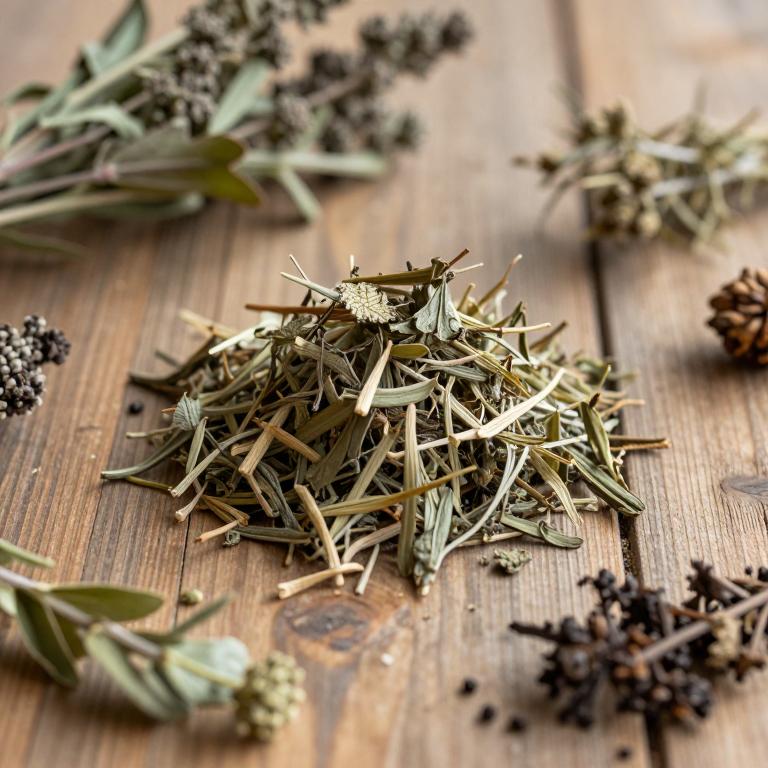
Loranthus is a fascinating genus of parasitic plants known for its unique way of life. Unlike typical vegetation, these plants derive their essential nutrients directly from a host tree. A critical stage in their life cycle involves the dispersal of a specialized seed. This seed must successfully attach itself to a host branch to begin its parasitic journey. Understanding their complex biology offers a glimpse into the intricate relationships within forest ecosystems.
- Synonyms
- Hyphear
- Common names
- Not available
- Family
- Loranthaceae
- Distribution
- Not available
- Plant Parts
- Seed
Classification
Synonyms
Loranthus is a genus of parasitic plants that is frequently discussed in botanical literature. Within various taxonomic studies, the name Hyphear has been identified as a formal synonym for this group. This nomenclatural connection ensures that researchers can accurately track species across different historical texts. Understanding these synonymous relationships is essential for maintaining consistency in biological databases. Consequently, recognizing Hyphear as an alternative label helps clarify the complex lineage of these unique organisms.
Sources: The World Checklist of Vascular Plants (WCVP)
Taxonomy
Loranthus is a fascinating organism that belongs to the vast kingdom Plantae. Within this diverse group, it is classified under the class Equisetopsida and the order Santalales. This botanical specimen is further defined by its membership in the family Loranthaceae. Specifically, it serves as the namesake for its own distinct genus, Loranthus. Understanding these hierarchical relationships provides essential insight into the plant's evolutionary place in nature.
| Rank | Classification |
|---|---|
| Kingdom | Plantae |
| Phylum | Streptophyta |
| Class | Equisetopsida |
| Subclass | Magnoliidae |
| Order | Santalales |
| Family | Loranthaceae |
| Genus | Loranthus |
Sources: The World Checklist of Vascular Plants (WCVP)
Distribution
Geographic Regions
Loranthus exhibits a widespread distribution throughout the Asia-Temperate region, with a particularly strong presence across various parts of China. Its range extends through the diverse landscapes of North-Central and South-Central China, showcasing remarkable adaptability. The plant can also be found in the Southeast regions, further solidifying its botanical footprint in the area. Additionally, its reach covers the northern reaches of Inner Mongolia and the high-altitude terrains of Tibet. This broad geographic spread highlights the plant's ability to thrive in many different Chinese ecosystems.
Sources: The World Checklist of Vascular Plants (WCVP)
Identification
Biological Activities
Compounds
Conditions
Preparations
Parts used
Loranthus seeds, specifically from the species Taxillus chinensis, exhibit unique physiological responses to environmental stressors. Research indicates that these seeds are highly sensitive to temperature, often losing viability when exposed to temperatures below 0°C. Through small RNA sequencing, scientists have identified hundreds of microRNAs that play a critical role in regulating the plant's response to such cold stress. Additionally, these seeds are characterized as recalcitrant, meaning they face significant challenges when undergoing dehydration and water loss. By profiling the transcriptome of these seeds, researchers are gaining vital insights into the genetic mechanisms that govern drought tolerance and germination.