Litsea viridis
Litsea viridis · Accepted scientific name
Scientific literature: Very Sparse (0 studies) · ★☆☆☆☆
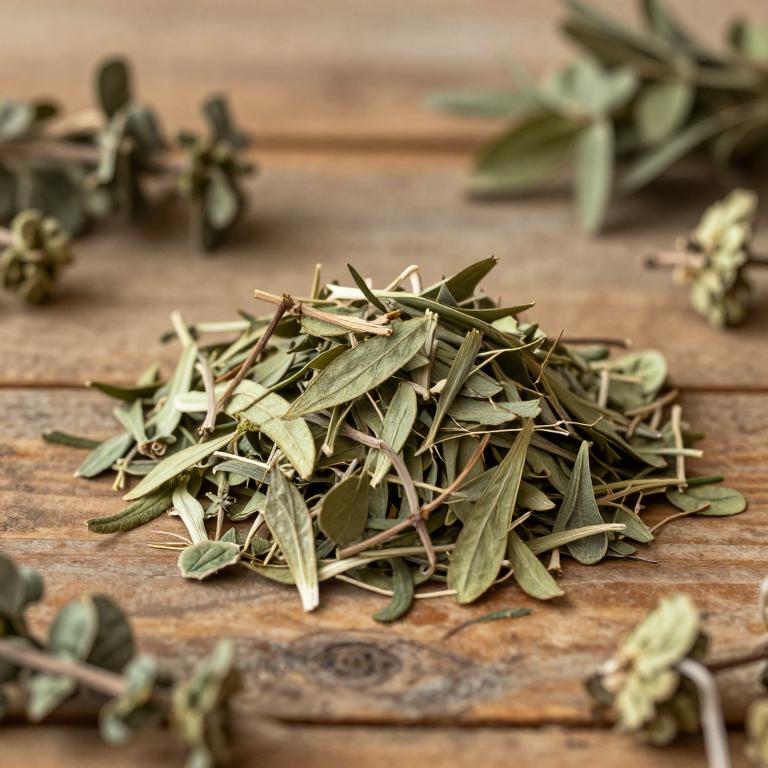
Litsea viridis is a distinctive plant species primarily valued for the aromatic properties of its foliage. The leaves serve as the essential source material for producing high-quality botanical extracts. Through careful distillation, these leaves are processed to create potent leaf essential oils. These oils are highly sought after in various industries for their unique fragrance and therapeutic potential. Understanding the characteristics of this plant is crucial for anyone interested in natural oil extraction.
- Synonyms
- Not available
- Common names
- Not available
- Family
- Lauraceae
- Distribution
- Not available
- Plant Parts
- Leaf
Classification
Common Names
Litsea viridis is a distinct botanical species known locally by the common name 干香柴. This plant plays a unique role within its natural ecosystem, contributing to the local biodiversity of its habitat. Understanding its specific characteristics helps researchers better categorize its place within the broader plant kingdom. Many enthusiasts find interest in its unique properties and the way it interacts with surrounding flora. By studying this species, one gains a deeper appreciation for the intricate connections found in nature.
Sources: Catalogue of Life (COL)
Taxonomy
Litsea viridis is a fascinating botanical specimen that belongs to the kingdom Plantae. Within this vast kingdom, the species is classified under the class Equisetopsida. It further occupies a specific position within the order Laurales. As a member of the genus Litsea, it displays unique characteristics inherent to its lineage. Ultimately, this plant is a distinguished representative of the family Lauraceae.
| Rank | Classification |
|---|---|
| Kingdom | Plantae |
| Phylum | Streptophyta |
| Class | Equisetopsida |
| Subclass | Magnoliidae |
| Order | Laurales |
| Family | Lauraceae |
| Genus | Litsea |
Sources: The World Checklist of Vascular Plants (WCVP)
Distribution
Geographic Regions
Litsea viridis is a versatile plant species characterized by a broad geographical presence across various Asian climates. Its distribution extends into the temperate regions of China, specifically spanning the South-Central areas of the country. Beyond these temperate zones, the species flourishes within the tropical landscapes of Indo-China. This tropical reach includes significant populations found throughout the lush terrain of Laos. Additionally, the plant maintains a strong presence in the tropical environments of Vietnam, showcasing its ability to adapt to diverse habitats.
Sources: The World Checklist of Vascular Plants (WCVP)
Identification
Morphology
Litsea viridis is a distinct species characterized by its robust tree growth form. As a self-supporting plant, it maintains its structure independently within its natural habitat. The species typically reaches a minimum height of 3 m, though it often begins its upward climb at around 4.5 m. For many specimens, the height will eventually stabilize between these developmental stages. Ultimately, this tree reaches a maximum height of 6 m as it matures.
Sources: Global Inventory of Floras and Traits (GIFT)
Biological Activities
Compounds
Conditions
Preparations
Litsea viridis is prepared as leaf essential oils through the process of hydrodistillation. This specific plant is one of eleven species from the Lauraceae family studied for its aromatic and medicinal properties. Researchers analyzed the chemical composition of these oils using gas chromatography techniques to understand their potential biological activities. The study aimed to evaluate how such extracts could serve as effective tools for controlling mosquito populations. Ultimately, the preparation of these oils is explored for their potential applications as both larvicidal and antimicrobial agents.
Parts used
Litsea viridis is one of the eleven species of the Lauraceae family studied for its potential medicinal and biological applications. Researchers focused specifically on the plant's leaf to extract essential oils through a process of hydrodistillation. These leaf-derived oils were analyzed using advanced chromatography to determine their complex chemical compositions. The study aimed to evaluate how these specific components could serve as effective tools for controlling mosquito populations. Ultimately, the findings suggest that the leaf oils of species like Litsea viridis could provide valuable alternative agents for both larvicidal and antimicrobial treatments.