Litsea japonica
Litsea japonica · Accepted scientific name
Scientific literature: Very Sparse (6 studies) · ★☆☆☆☆
Litsea japonica, scientifically known as Litsea japonica, is a versatile evergreen shrub native to East Asian coastal regions. Valued in traditional medicine, it possesses significant antioxidant and antimicrobial properties. Often utilized in herbal remedies, this plant offers therapeutic potential for treating inflammation and supporting overall wellness through its bioactive compounds.
- Family
- Lauraceae
- Native range
- Asia-Temperate
- Parts used
- Leaf
- Common names
- Not available
- Scientific synonyms
- Fiwa Japonica · Malapoenna Japonica · 2 more
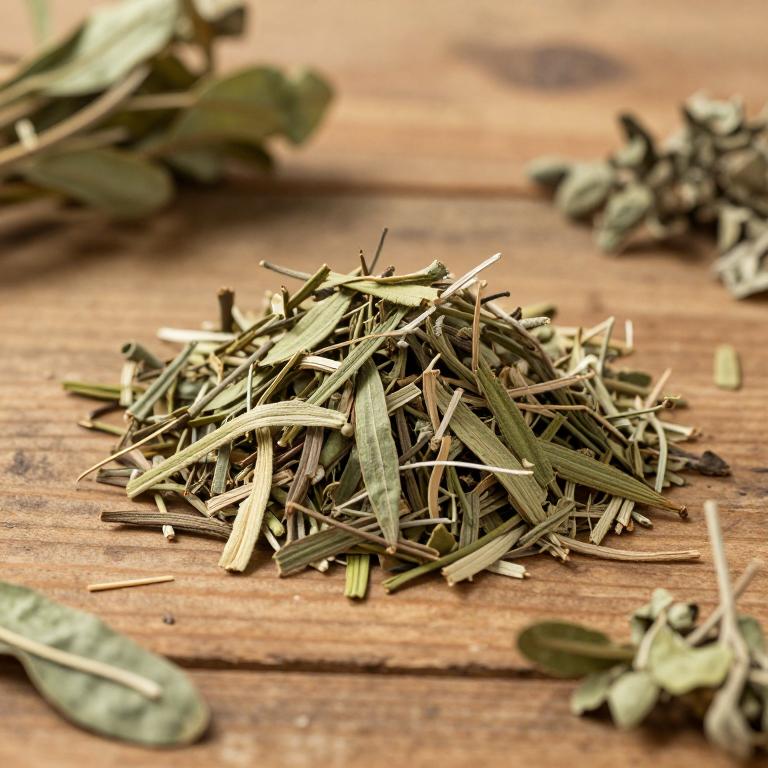
Names and Synonyms
Scientific Names
Accepted name
Litsea japonicaSynonyms
- Fiwa japonica
- Malapoenna japonica
- Tomex japonica
- Tetradenia japonica
Sources: Wikidata
Taxonomical Classification
This plant belongs to the kingdom Plantae and the phylum Streptophyta, falling under the class Equisetopsida and subclass Magnoliidae. It is classified within the order Laurales and the family Lauraceae. Finally, it is identified by the genus Litsea, specifically as the species Litsea japonica.
| Rank | Classification |
|---|---|
| Kingdom | Plantae |
| Phylum | Streptophyta |
| Class | Equisetopsida |
| Subclass | Magnoliidae |
| Order | Laurales |
| Family | Lauraceae |
| Genus | Litsea |
Sources: The World Checklist of Vascular Plants (WCVP)
Distribution
This plant exhibits a specific geographical distribution primarily concentrated within Eastern Asia. It is widely recognized as being native to the various islands of Japan. Additionally, its natural habitat extends to the Korean Peninsula. The species can also be found throughout the Nansei-shoto island chain. These regions collectively define the primary range where this medicinal plant thrives.
| Region | Area |
|---|---|
| Eastern Asia | Japan |
| Eastern Asia | Korea |
| Eastern Asia | Nansei-shoto |
Sources: The World Checklist of Vascular Plants (WCVP)
Botanical Identification
Morphology
The morphology of Litsea japonica is characterized by its perennial growth form as a tree, which typically exhibits a robust and woody structure. As a woody species, it develops a permanent, lignified stem system that supports its stature, distinguishing it from herbaceous or non-woody vegetation.
- Growth form :
- tree
- Woodiness :
- woody
Sources: Global Inventory of Floras and Traits (GIFT)
Plant Parts
Litsea japonica has 1 reported plant parts identified across 1 scientific publications and several other databases that are studied for medicinal purposes. The most consistently reported plant part include leaf.
| Plant part | Supporting sources | Consensus |
|---|---|---|
| Leaf | 1 supporting sources | ★☆☆☆☆ |
Leaf
- Journal of natural products
Chemicals
Litsea japonica has 5 reported phytochemicals identified across 1 scientific publications and several other databases. The most consistently reported chemicals include Akolactone B, LITSEALACTONE A, LITSEALACTONE B, hamabiwalactone A, hamabiwalactone B.
| Chemical | Supporting sources | Consensus |
|---|---|---|
| Akolactone B | 1 supporting sources | ★☆☆☆☆ |
| LITSEALACTONE A | 1 supporting sources | ★☆☆☆☆ |
| LITSEALACTONE B | 1 supporting sources | ★☆☆☆☆ |
| hamabiwalactone A | 1 supporting sources | ★☆☆☆☆ |
| hamabiwalactone B | 1 supporting sources | ★☆☆☆☆ |
Akolactone B
- Journal of natural products
LITSEALACTONE A
- Journal of natural products
LITSEALACTONE B
- Journal of natural products
hamabiwalactone A
- Journal of natural products
hamabiwalactone B
- Journal of natural products