Lippia schaueriana
Lippia schaueriana · Accepted scientific name
Scientific literature: Very Sparse (5 studies) · ★☆☆☆☆
Lippia schaueriana, scientifically known as Lippia schaueriana, is a resilient medicinal shrub native to Brazil. Renowned for its aromatic properties, it is widely utilized in traditional folk medicine to treat digestive issues and inflammation. Its potent bioactive compounds offer significant therapeutic potential for various health conditions in natural pharmacology.
- Family
- Verbenaceae
- Native range
- Southern America
- Parts used
- Not available
- Common names
- Not available
- Scientific synonyms
- Not available
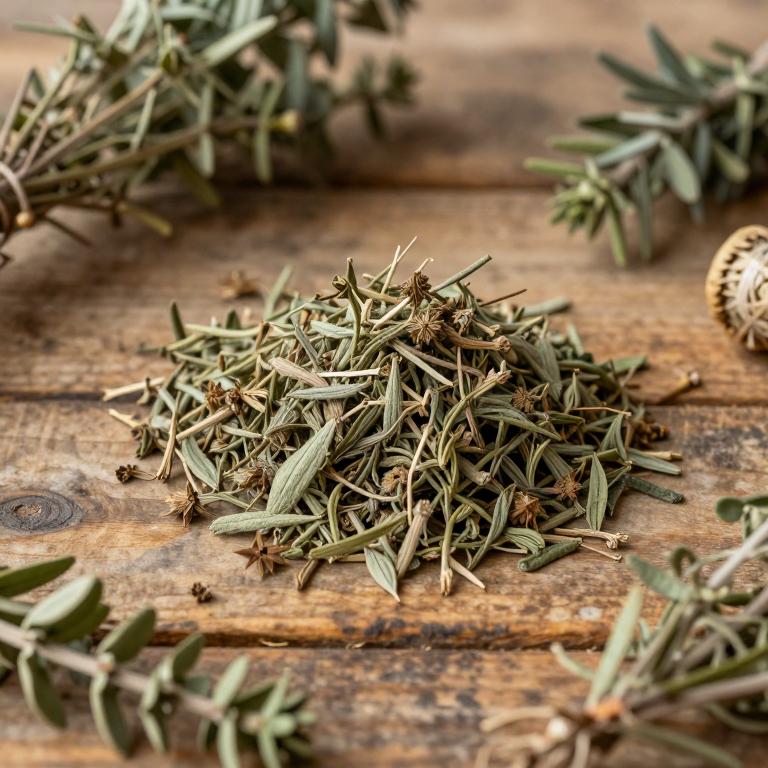
Names and Synonyms
Scientific Names
Accepted name
Lippia schauerianaSources: Wikidata
Taxonomical Classification
This plant belongs to the kingdom Plantae and the phylum Streptophyta, falling under the class Equisetopsida and subclass Magnoliidae. It is classified within the order Lamiales and the family Verbenaceae. Finally, it is identified by its specific genus, Lippia.
| Rank | Classification |
|---|---|
| Kingdom | Plantae |
| Phylum | Streptophyta |
| Class | Equisetopsida |
| Subclass | Magnoliidae |
| Order | Lamiales |
| Family | Verbenaceae |
| Genus | Lippia |
Sources: The World Checklist of Vascular Plants (WCVP)
Distribution
This plant is characterized by a very specific and localized geographical distribution. It is primarily found within the vast territory of Brazil. Specifically, its presence is concentrated in the Northeast region of the country. This regional limitation suggests that the species is adapted to the particular environmental conditions of that area. Consequently, finding Lippia schaueriana outside of these Brazilian northeastern landscapes is quite uncommon.
| Region | Area |
|---|---|
| Brazil | Brazil Northeast |
Sources: The World Checklist of Vascular Plants (WCVP)
Botanical Identification
Ecology
The ecology of Lippia schaueriana is fundamentally defined by its adaptation to the Caatinga (stricto sensu) biome, a semi-arid environment characterized by seasonal water scarcity and high solar radiation. Within this unique ecosystem, the species has evolved to thrive in xeric conditions, navigating the dramatic shifts between prolonged dry periods and concentrated rainy seasons. Its presence in the Caatinga strictu sensu implies a specialized physiological capacity to manage water stress and cope with the typical soil compositions of the region, which often feature rocky substrates or sandy textures under intense thermal fluctuations. This ecological niche dictates its growth patterns, resource competition, and interactions with the local fauna, ensuring its survival within one of Brazil's most distinctive and seasonally extreme dry forest environments.
- Habitat :
- Caatinga (stricto sensu)
Morphology
The morphology of Lippia schaueriana is characterized by its growth form as a woody shrub, exhibiting a self-supporting structure that does not require climbing assistance. As a terrestrial species, it is neither aquatic nor semiaquatic, nor does it function as an epiphyte, maintaining an independent existence without parasitic or hemi-epiphytic dependencies. The plant's structural integrity is defined by its woody nature, which supports its development as a robust, self-supporting shrub within its natural habitat.
- Aquatic :
- terrestrial
- Climber :
- self-supporting
- Epiphyte :
- terrestrial
- Growth form :
- shrub
- Parasite :
- independent
- Woodiness :
- woody
Sources: Global Inventory of Floras and Traits (GIFT)
Chemicals
Lippia schaueriana has 5 reported phytochemicals identified across 0 scientific publications and several other databases. The most consistently reported chemicals include Caryophyllene, LIMONENE, PIPERITONE, Piperitone oxide, Spathulenol.
| Chemical | Supporting sources | Consensus |
|---|---|---|
| Caryophyllene | 1 supporting sources | ★☆☆☆☆ |
| LIMONENE | 1 supporting sources | ★☆☆☆☆ |
| PIPERITONE | 1 supporting sources | ★☆☆☆☆ |
| Piperitone oxide | 1 supporting sources | ★☆☆☆☆ |
| Spathulenol | 1 supporting sources | ★☆☆☆☆ |
Caryophyllene
- Molecules (Basel, Switzerland)
LIMONENE
- Molecules (Basel, Switzerland)
PIPERITONE
- Molecules (Basel, Switzerland)
Piperitone oxide
- Molecules (Basel, Switzerland)
Spathulenol
- Molecules (Basel, Switzerland)