Lippia rugosa
Lippia rugosa · Accepted scientific name
Scientific literature: Very Sparse (4 studies) · ★☆☆☆☆
, scientifically known as Lippia rugosa, is a versatile medicinal shrub native to South America. Renowned for its aromatic properties, this plant is traditionally utilized in folk medicine to treat digestive issues and respiratory ailments. Its bioactive compounds offer significant therapeutic potential, making it a subject of growing pharmacological interest.
- Family
- Verbenaceae
- Native range
- Africa
- Parts used
- Leaf
- Common names
- Not available
- Scientific synonyms
- Lippia Nigeriensis · Lippia Nigeriensis Var. Brevipedunculata
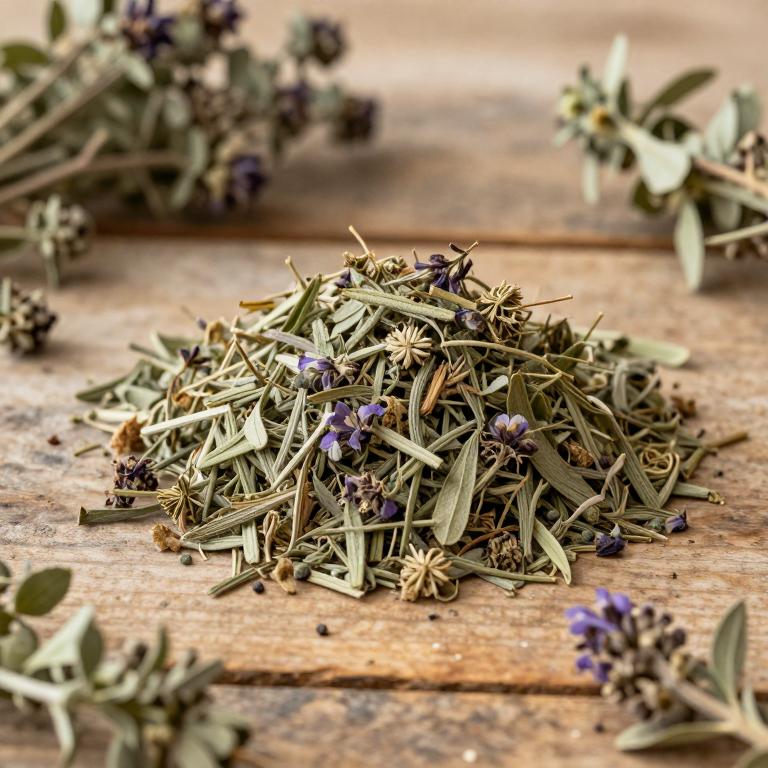
Names and Synonyms
Scientific Names
Accepted name
Lippia rugosaSynonyms
- Lippia nigeriensis
- Lippia nigeriensis var. brevipedunculata
Sources: Wikidata
Taxonomical Classification
This plant, known scientifically as Lippia rugosa, belongs to the kingdom Plantae and the phylum Streptophyta. Within the class Equisetopsida and subclass Magnoliidae, it is classified under the order Lamiales and the family Verbenaceae. Ultimately, it is categorized under the genus Lippia.
| Rank | Classification |
|---|---|
| Kingdom | Plantae |
| Phylum | Streptophyta |
| Class | Equisetopsida |
| Subclass | Magnoliidae |
| Order | Lamiales |
| Family | Verbenaceae |
| Genus | Lippia |
Sources: The World Checklist of Vascular Plants (WCVP)
Distribution
This plant is primarily found across the diverse landscapes of West Tropical Africa. Specifically, its presence is documented within the borders of Benin. It also grows throughout the coastal and inland regions of Gambia. Furthermore, the species can be located in the territories of Guinea-Bissau and Guinea. Finally, its geographical range extends into the country of Mali.
| Region | Area |
|---|---|
| West Tropical Africa | Benin |
| West Tropical Africa | Gambia |
| West Tropical Africa | Guinea-Bissau |
| West Tropical Africa | Guinea |
| West Tropical Africa | Mali |
| West Tropical Africa | Nigeria |
| West Tropical Africa | Senegal |
| West Tropical Africa | Sierra Leone |
| West Tropical Africa | Togo |
| West-Central Tropical Africa | Central African Republic |
Sources: The World Checklist of Vascular Plants (WCVP)
Botanical Identification
Life history
The life history of Lippia rugosa is characterized by its status as a perennial species, allowing it to persist through multiple growing seasons. In terms of its structural growth and survival strategy, the plant is classified as a chamaephyte, a life form where the majority of the shoot system remains close to the soil surface, often protected by seasonal debris or the ground itself. This classification as a chamaephyte is consistent across its morphological descriptions, ensuring its resilience and ability to maintain its vegetative presence over a long-term lifecycle.
- Life form :
- chamaephyte
- Lifecycle :
- perennial
Morphology
The morphology of Lippia rugosa is characterized by a growth form classified as a herb, exhibiting a non-woody structure throughout its vegetative development. It functions as an independent organism rather than a parasite, maintaining its own nutritional processes without reliance on a host. As a terrestrial plant, it establishes itself directly in the soil rather than growing as an epiphyte. In terms of its physical habit, the species possesses a self-supporting climbing capability, allowing it to extend its growth through its own structural integrity.
- Climber :
- self-supporting
- Epiphyte :
- terrestrial
- Growth form :
- herb
- Parasite :
- independent
- Woodiness :
- non-woody
Sources: Global Inventory of Floras and Traits (GIFT)
Plant Parts
Lippia rugosa has 1 reported plant parts identified across 1 scientific publications and several other databases that are studied for medicinal purposes. The most consistently reported plant part include leaf.
| Plant part | Supporting sources | Consensus |
|---|---|---|
| Leaf | 1 supporting sources | ★☆☆☆☆ |
Leaf
- Natural product research
Chemicals
Lippia rugosa has 3 reported phytochemicals identified across 1 scientific publications and several other databases. The most consistently reported chemicals include 5-Hydroxy-3,7,4'-trimethoxyflavone, Lupeol acetate, saccharose.
| Chemical | Supporting sources | Consensus |
|---|---|---|
| 5-Hydroxy-3,7,4'-trimethoxyflavone | 1 supporting sources | ★☆☆☆☆ |
| Lupeol acetate | 1 supporting sources | ★☆☆☆☆ |
| saccharose | 1 supporting sources | ★☆☆☆☆ |
5-Hydroxy-3,7,4'-trimethoxyflavone
- Natural product research
Lupeol acetate
- Natural product research
saccharose
- Natural product research
Preparations
Lippia rugosa has 1 reported preparations identified across 1 scientific publications and several other databases. The most consistently reported preparations include leaf extract.
| Preparation | Supporting sources | Consensus |
|---|---|---|
| Leaf extract | 1 supporting sources | ★☆☆☆☆ |
Leaf extract
- Natural product research