Mexican-sage
Lippia origanoides · Accepted scientific name
Scientific literature: Very Extensive (245 studies) · ★★★★★
Mexican-sage, scientifically known as Lippia origanoides, is a versatile medicinal shrub native to Mexico. Renowned for its aromatic, pungent leaves, it is widely used in traditional folk medicine to treat respiratory ailments, digestive issues, and skin infections. Its potent essential oils offer significant antimicrobial and antioxidant therapeutic properties.
- Family
- Verbenaceae
- Native range
- Northern America
- Parts used
- Leaf · Root
- Common names
- Mexican-Sage
- Scientific synonyms
- Goniostachyum Graveolens · Lippia Palmeri F. Spicata · 31 more
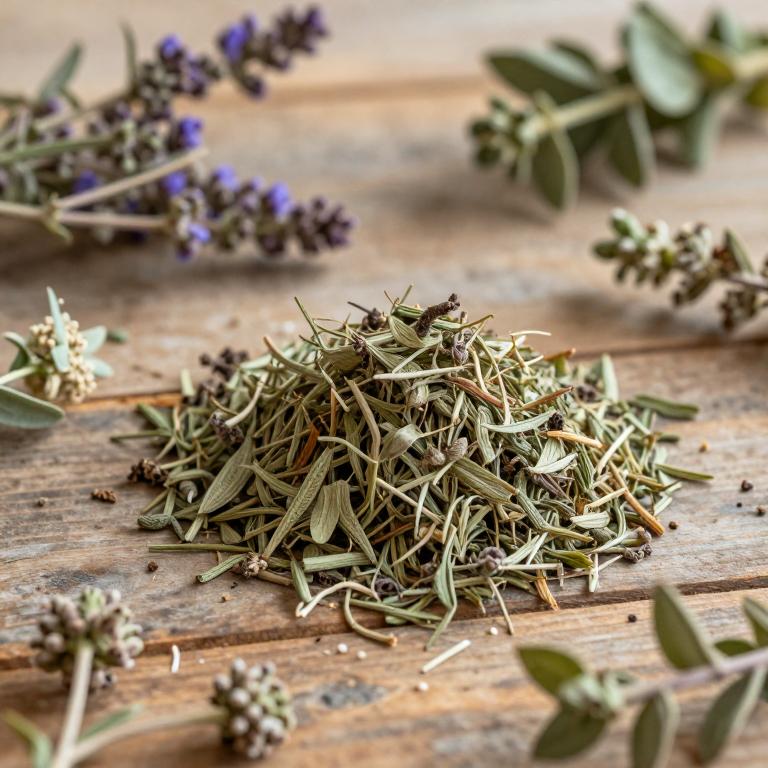
Names and Synonyms
Common Names
- Mexican-sage
Scientific Names
Accepted name
Lippia origanoidesSynonyms
- Goniostachyum graveolens
- Lippia palmeri f. spicata
- Lippia microphylla var. fasciculata
- Lippia sidoides
- Lippia sidoides f. flaccida
- Lantana origanoides
- Lantana origanoides var. sampaionis
- Lippia origanoides var. sampaionis
- Lippia obscura
- Lippia palmeri
- Lippia palmeri var. spicata
- Lippia polycephala
- Lippia polycephala var. aemilii
- Lippia pendula
- Lippia rigida
- Lippia rivalis
- Lippia salviifolia
- Lippia rubiginosa var. dives
- Lippia rubiginosa var. pauper
- Lippia schomburgkiana
- Lippia graveolens
- Lippia graveolens f. loeseneriana
- Lippia graveolens f. macrophylla
- Lippia graveolens f. microphylla
- Lippia mattogrossensis
- Lippia elegans
- Lippia elegans var. macrophylla
- Lippia elegans var. obtusifolia
- Lippia glandulosa
- Lippia candicans
- Lippia berlandieri
- Lippia berteroi
- Lippia velutina
Regional and Traditional Names
Spanish:
- hierba dulce
- orégano
- Canelilla
- Orégano de monte
- orégano Mexicano
German:
- amerikanisches Oregano
French:
- origan marjolaine
Sources: Wikidata, Catalogue of Life
Taxonomical Classification
This plant belongs to the kingdom Plantae and is classified within the phylum Streptophyta and the class Equisetopsida. It falls under the subclass Magnoliidae and the order Lamiales, specifically within the family Verbenaceae. Ultimately, it is categorized under the genus Lippia.
| Rank | Classification |
|---|---|
| Kingdom | Plantae |
| Phylum | Streptophyta |
| Class | Equisetopsida |
| Subclass | Magnoliidae |
| Order | Lamiales |
| Family | Verbenaceae |
| Genus | Lippia |
Sources: The World Checklist of Vascular Plants (WCVP)
Distribution
This plant exhibits a specific geographical distribution spanning parts of North America. In the South-Central United States, it can be found growing in New Mexico and Texas. Its presence extends significantly into Mexico, where it inhabits the central regions. Furthermore, the species is documented throughout Northeast Mexico. Finally, it is also distributed across the Gulf region of Mexico.
| Region | Area |
|---|---|
| South-Central U.S.A. | New Mexico |
| South-Central U.S.A. | Texas |
| Mexico | Mexico Central |
| Mexico | Mexico Northeast |
| Mexico | Mexico Gulf |
| Mexico | Mexico Northwest |
| Mexico | Mexico Southwest |
| Mexico | Mexico Southeast |
| Central America | Belize |
| Central America | Costa Rica |
Sources: The World Checklist of Vascular Plants (WCVP)
Botanical Identification
Ecology
The ecology of Lippia origanoides is characterized by its remarkable adaptability to diverse Brazilian biomes and a broad altitudinal distribution. It thrives across a wide array of habitats, ranging from the semi-arid Caatinga (strictu sensu) and the specialized rocky outcrops of Campo Rupestre to the more humid environments of Floresta Ciliar (or Galeria), Floresta de Terra Firmre, and Floresta Ombrófila (pluvial). Additionally, its ecological niche encompasses the Carrasco, the Cerrado (lato sensu), and the Amazonian Savanna. This versatility is further reflected in its significant elevational range, as the species can be found at altitudes starting as low as 30 m AMSL and extending up to a maximum of 2520 m AMSL.
- Elevational range max:
- 2520 m AMSL
- Elevational range min:
- 30 m AMSL
- Habitat :
- Caatinga (stricto sensu), Campo Rupestre, Carrasco, Cerrado (lato sensu), Floresta Ciliar ou Galeria, Floresta de Terra Firme, Floresta Ombrófila (= Floresta Pluvial), Savana Amazônica
Life history
The life history of Lippia origanoides is characterized by its classification as a perennial organism, allowing it to persist through multiple growing seasons rather than completing its cycle within a single year. Regarding its structural growth patterns and life forms, the plant exhibits characteristics consistent with both nanophanerophyte and phanerophyte classifications, indicating a diverse range of development depending on environmental conditions and the height of its visible stems. This biological profile suggests a robust survival strategy capable of maintaining perennial presence within its ecological niche through varied vegetative structures.
- Life form :
- nanophanerophyte
- Life form :
- phanerophyte
- Lifecycle :
- perennial
Morphology
The morphology of Lippia origanoides is characterized by its growth form as a woody shrub, reaching an average plant height of approximately 2 meters. As a terrestrial species, it is neither aquatic nor semi-aquatic, and it functions as an independent organism rather than a parasite. The plant is self-supporting in its structure, lacking the climbing habits of vines or lianas, and it does not exhibit epiphytic tendencies, remaining strictly terrestrial in its habitat. Its physical constitution is defined by its woodiness, which supports its shrubby architecture and upright development.
- Aquatic :
- terrestrial
- Climber :
- self-supporting
- Epiphyte :
- terrestrial
- Growth form :
- shrub
- Parasite :
- independent
- Plant height mean:
- 2 m
- Woodiness :
- woody
Physiology
The physiology of Lippia origanoides is characterized by complex metabolic pathways focused on the biosynthesis of volatile organic compounds, particularly monoterpenes such as thymol and carvacrol, which serve as essential secondary metabolites for defense against herbivory and microbial pathogens. The plant exhibits specialized glandular trichomes on its leaf surfaces that facilitate the sequestration and controlled release of these essential oils. In terms of nutrient acquisition and soil interaction, Lippia origanoides does not function as a nitrogen fixer, meaning it lacks the symbiotic relationship with diazotrophic bacteria required to convert atmospheric nitrogen into ammonia; instead, it relies on the uptake of inorganic nitrogen sources, such as nitrates and ammonium, from the soil through its root system. Its physiological processes are further adapted to thrive in various environmental conditions, utilizing efficient photosynthetic mechanisms to drive carbon fixation and supporting robust growth through optimized transpiration and water-use efficiency.
- Nitrogen fixer :
- no
Reproduction
The reproduction of Lippia origanoides is characterized by a reliance on biotic mechanisms, primarily driven by complex interactions with various biological agents. The plant exhibits a biotic pollination syndrome, meaning its reproductive success is heavily dependent on living organisms rather than abiotic factors like wind or water. Specifically, the pollination process is facilitated by insects, which serve as the primary vectors for pollen transfer. This insect-mediated strategy encompasses a diverse range of pollinators, including bees, butterflies, and other specific insect groups, which ensure the genetic exchange necessary for seed production. Through these biotic pathways, the plant effectively utilizes animal vectors to navigate its reproductive cycle and maintain population stability.
- Pollination syndrome :
- insect
- Pollination syndrome :
- biotic
Sources: Global Inventory of Floras and Traits (GIFT)
Plant Parts
Lippia origanoides has 2 reported plant parts identified across 5 scientific publications and several other databases that are studied for medicinal purposes. The most consistently reported plant part include leaf, root.
| Plant part | Supporting sources | Consensus |
|---|---|---|
| Leaf | 4 supporting sources | ★★☆☆☆ |
| Root | 1 supporting sources | ★☆☆☆☆ |
Leaf
- Journal of food science
- Journal of enzyme inhibition and medicinal chemistry
- Journal of ethnopharmacology
- Chemistry & biodiversity
Root
- Magnetic resonance in chemistry : MRC
Chemicals
Lippia origanoides has 28 reported phytochemicals identified across 5 scientific publications and several other databases. The most consistently reported chemicals include CARVACROL, THYMOL, P-CYMENE, naringenin, Pinocembrin.
| Chemical | Supporting sources | Consensus |
|---|---|---|
| CARVACROL | 11 supporting sources | ★★★★★ |
| THYMOL | 7 supporting sources | ★★★★☆ |
| P-CYMENE | 5 supporting sources | ★★★☆☆ |
| naringenin | 5 supporting sources | ★★★☆☆ |
| Pinocembrin | 4 supporting sources | ★★☆☆☆ |
| ERIODICTYOL | 2 supporting sources | ★☆☆☆☆ |
| Flavonoids | 2 supporting sources | ★☆☆☆☆ |
| Glycosides | 2 supporting sources | ★☆☆☆☆ |
| Carvacrol acetate | 1 supporting sources | ★☆☆☆☆ |
| Cirsimaritin | 1 supporting sources | ★☆☆☆☆ |
CARVACROL
- Dr. Duke
- Fitoterapia
- Journal of fungi (Basel, Switzerland)
- Frontiers in nutrition
- Brazilian journal of microbiology : [publication of the Brazilian Society for Microbiology]
View 6 additional sources
- Journal of food science
- Phytotherapy research : PTR
- Plants (Basel, Switzerland)
- Medicinal chemistry (Shariqah (United Arab Emirates))
- ACS omega
- BMC research notes
THYMOL
- Dr. Duke
- Fitoterapia
- Pharmaceutical biology
- Plants (Basel, Switzerland)
- Medicinal chemistry (Shariqah (United Arab Emirates))
View 2 additional sources
- ACS omega
- BMC research notes
P-CYMENE
- Fitoterapia
- Journal of fungi (Basel, Switzerland)
- Journal of food science
- Medicinal chemistry (Shariqah (United Arab Emirates))
- ACS omega
naringenin
- Dr. Duke
- Chemistry & biodiversity
- Pharmaceutical biology
- Journal of enzyme inhibition and medicinal chemistry
- Journal of chromatography. A
Pinocembrin
- Dr. Duke
- Chemistry & biodiversity
- Journal of enzyme inhibition and medicinal chemistry
- Journal of chromatography. A
ERIODICTYOL
- Chemistry & biodiversity
- Journal of chromatography. A
Flavonoids
- Plants (Basel, Switzerland)
- Food research international (Ottawa, Ont.)
Glycosides
- Molecules (Basel, Switzerland)
- Fitoterapia
Carvacrol acetate
- Journal of food science
Cirsimaritin
- Pharmaceutical biology
Activities
Lippia origanoides has 123 reported activities identified across 5 scientific publications and several other databases. The most consistently reported activities include Antimicrobial, Antioxidant, Antibacterial, Analgesic, Anthelmintic.
| Activity | Supporting sources | Consensus |
|---|---|---|
| Antimicrobial | 6 supporting sources | ★★★☆☆ |
| Antioxidant | 6 supporting sources | ★★★☆☆ |
| Antibacterial | 3 supporting sources | ★★☆☆☆ |
| Analgesic | 2 supporting sources | ★☆☆☆☆ |
| Anthelmintic | 2 supporting sources | ★☆☆☆☆ |
| Antiinflammatory | 2 supporting sources | ★☆☆☆☆ |
| Anxiolytic | 2 supporting sources | ★☆☆☆☆ |
| Cytotoxic | 2 supporting sources | ★☆☆☆☆ |
| Sedative | 2 supporting sources | ★☆☆☆☆ |
| 11B-HSD-Inhibitor | 1 supporting sources | ★☆☆☆☆ |
Antimicrobial
- Phytotherapy research : PTR
- Chemistry & biodiversity
- Veterinary world
- Plants (Basel, Switzerland)
- Antibiotics (Basel, Switzerland)
View 1 additional sources
- International journal of environmental research and public health
Antioxidant
- Dr. Duke
- Chemistry & biodiversity
- Food research international (Ottawa, Ont.)
- Plants (Basel, Switzerland)
- Scientific reports
View 1 additional sources
- Journal of ethnopharmacology
Antibacterial
- Dr. Duke
- Scientific reports
- ACS omega
Analgesic
- Dr. Duke
- Plants (Basel, Switzerland)
Anthelmintic
- Dr. Duke
- Veterinary parasitology
Antiinflammatory
- Dr. Duke
- Phytotherapy research : PTR
Anxiolytic
- Chemistry & biodiversity
- Scientific reports
Cytotoxic
- Dr. Duke
- Experimental parasitology
Sedative
- Dr. Duke
- Plants (Basel, Switzerland)
11B-HSD-Inhibitor
- Dr. Duke
Conditions
Lippia origanoides has 14 reported investigations on conditions identified across 5 scientific publications and several other databases. The most consistently reported conditions include Chagas disease, Escherichia coli, Salmonella enteritidis, Salmonella typhimurium, Staphylococcus aureus.
| Condition | Supporting sources | Consensus |
|---|---|---|
| Chagas disease | 2 supporting sources | ★☆☆☆☆ |
| Escherichia coli | 1 supporting sources | ★☆☆☆☆ |
| Salmonella enteritidis | 1 supporting sources | ★☆☆☆☆ |
| Salmonella typhimurium | 1 supporting sources | ★☆☆☆☆ |
| Staphylococcus aureus | 1 supporting sources | ★☆☆☆☆ |
| Staphylococcus aureus infections | 1 supporting sources | ★☆☆☆☆ |
| Type 2 diabetes mellitus | 1 supporting sources | ★☆☆☆☆ |
| Antioxidant | 1 supporting sources | ★☆☆☆☆ |
| Anxiolytic | 1 supporting sources | ★☆☆☆☆ |
| Biofilm | 1 supporting sources | ★☆☆☆☆ |
Chagas disease
- Experimental parasitology
- Micron (Oxford, England : 1993)
Escherichia coli
- Molecules (Basel, Switzerland)
Salmonella enteritidis
- Antibiotics (Basel, Switzerland)
Salmonella typhimurium
- Antibiotics (Basel, Switzerland)
Staphylococcus aureus
- Molecules (Basel, Switzerland)
Staphylococcus aureus infections
- Plants (Basel, Switzerland)
Type 2 diabetes mellitus
- Plants (Basel, Switzerland)
Antioxidant
- Chemistry & biodiversity
Anxiolytic
- Chemistry & biodiversity
Biofilm
- Antibiotics (Basel, Switzerland)
Preparations
Lippia origanoides has 19 reported preparations identified across 5 scientific publications and several other databases. The most consistently reported preparations include essential oil, essential oils, ethanolic extracts, Lippia sidoides essential oil, EO.
| Preparation | Supporting sources | Consensus |
|---|---|---|
| Essential oil | 6 supporting sources | ★★★☆☆ |
| Essential oils | 6 supporting sources | ★★★☆☆ |
| Ethanolic extracts | 3 supporting sources | ★★☆☆☆ |
| Lippia sidoides essential oil | 2 supporting sources | ★☆☆☆☆ |
| Eo | 1 supporting sources | ★☆☆☆☆ |
| Essential oils | 1 supporting sources | ★☆☆☆☆ |
| Loeo | 1 supporting sources | ★☆☆☆☆ |
| Lseo | 1 supporting sources | ★☆☆☆☆ |
| Uae and sfe extracts | 1 supporting sources | ★☆☆☆☆ |
| Aerial portions | 1 supporting sources | ★☆☆☆☆ |
Essential oil
- Frontiers in nutrition
- Veterinary world
- Plants (Basel, Switzerland)
- ACS omega
- Veterinary parasitology
View 1 additional sources
- AAPS PharmSciTech
Essential oils
- Fitoterapia
- Psychogeriatrics : the official journal of the Japanese Psychogeriatric Society
- Journal of food science
- Experimental parasitology
- Plants (Basel, Switzerland)
View 1 additional sources
- Micron (Oxford, England : 1993)
Ethanolic extracts
- Plants (Basel, Switzerland)
- RSC advances
- International journal of environmental research and public health
Lippia sidoides essential oil
- Veterinary parasitology
- Chemistry & biodiversity
Eo
- Antibiotics (Basel, Switzerland)
Essential oils
- Journal of fungi (Basel, Switzerland)
Loeo
- Micron (Oxford, England : 1993)
Lseo
- Micron (Oxford, England : 1993)
Uae and sfe extracts
- Molecules (Basel, Switzerland)
Aerial portions
- Journal of medicinal food