Lippia micromera
Lippia micromera · Accepted scientific name
Scientific literature: Very Sparse (1 studies) · ★☆☆☆☆
Lippia micromera is a botanical species recognized for its significant medicinal potential and rich chemical profile. The plant's leaves serve as a primary source for the extraction of bioactive essential oils. These preparations are characterized by high concentrations of therapeutic compounds, specifically terpenes and terpenoids. Scientific investigations have focused on these components due to their potent antibacterial activities. Notably, the leaf essential oils have demonstrated effective efficacy in inhibiting the growth of Staphylococcus aureus.
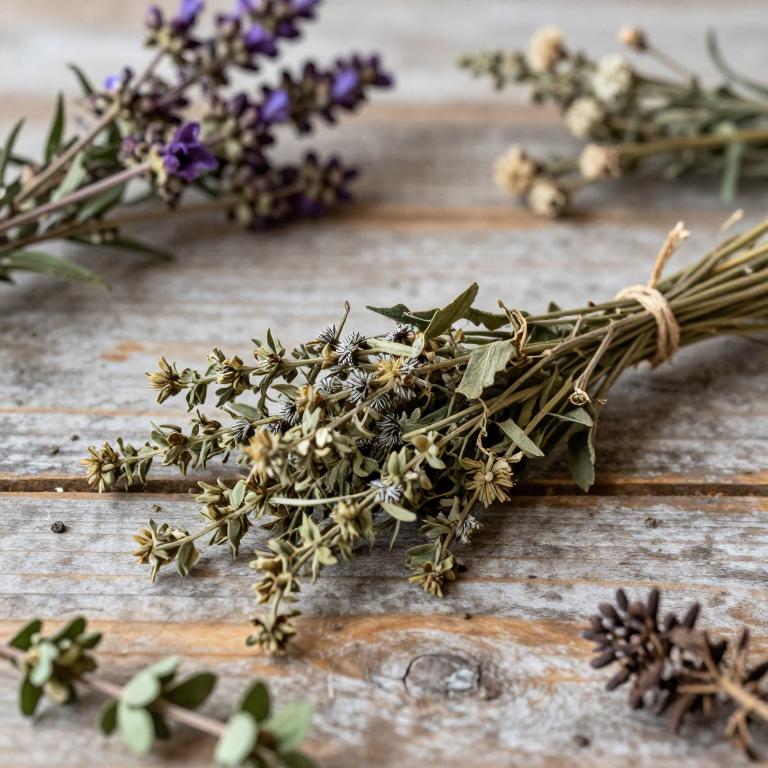
- Synonyms
- Gardoquia Origanoides · Lippia Micromera Var. Helleri · 1 more
- Common names
- Not available
- Family
- Verbenaceae
- Distribution
- Not available
- Plant Parts
- Leaf
Classification
Common Names
Lippia micromera is a versatile aromatic herb known by a wide variety of regional names across different cultures. It is frequently referred to as Jamaican oregano or simply oregano, though it also carries the moniker Majorana. In certain areas, you may encounter it called oregano chiquito or fine-leaf thyme. Furthermore, it is widely recognized in Puerto Rico as oregano del pais. These diverse names reflect the plant's widespread culinary and medicinal significance throughout the Caribbean and beyond.
Sources: Catalogue of Life (COL)
Synonyms
Lippia micromera is a plant species that is recognized through several important botanical synonyms. In various taxonomic studies, it has been identified as Gardoquia origanoides. The species is also closely linked to the name Lippia cuneifolia in certain contexts. Furthermore, researchers have documented its relationship to Lippia helleri within the same lineage. This connection is further clarified by the classification of Lippia micromera var. helleri, illustrating the complex nomenclature surrounding this plant.
Sources: The World Checklist of Vascular Plants (WCVP)
Taxonomy
Lippia micromera is a distinctive biological entity that belongs to the vast kingdom Plantae. Within this expansive kingdom, the species is classified under the class Equisetopsida. It further resides in the order Lamiales, which helps define its specific evolutionary lineage. As a member of the Verbenaceae family, it shares characteristics with many other well-known flowering plants. Ultimately, this plant is identified by its specific genus, Lippia, which distinguishes it from its botanical relatives.
| Rank | Classification |
|---|---|
| Kingdom | Plantae |
| Phylum | Streptophyta |
| Class | Equisetopsida |
| Subclass | Magnoliidae |
| Order | Lamiales |
| Family | Verbenaceae |
| Genus | Lippia |
Sources: The World Checklist of Vascular Plants (WCVP)
Distribution
Geographic Regions
Lippia micromera is a plant species with an extensive natural range spanning across Southern America and the Caribbean. Its presence is notably documented throughout various island nations, including Cuba and the Dominican Republic. This species also thrives within the unique ecosystems of Haiti and Puerto Rico. Furthermore, its distribution extends to the tropical landscapes of Trinidad and Tobago. Together, these locations highlight the significant geographic footprint this plant maintains throughout the region.
Sources: The World Checklist of Vascular Plants (WCVP)
Identification
Morphology
Lippia micromera is a self-supporting shrub that maintains a sturdy structural form. This resilient plant typically reaches a maximum height of 1.38 meters. Its compact growth pattern makes it a distinctive feature in its natural landscape.
Sources: Global Inventory of Floras and Traits (GIFT)
Biological Activities
Lippia micromera stands out as a highly promising candidate in the search for new treatments against significant public health threats like Staphylococcus aureus. According to a systematic review of Philippine plants, the leaf essential oil of this species demonstrated the highest zone of inhibition at 26.3±1.5 mm. Beyond its effectiveness against standard strains, the plant also exhibited antibacterial activity against Methicillin-resistant S. aureus (MRSA) in disk diffusion assays. This potent biological activity is likely attributed to the plant's high concentrations of essential compounds, such as terpenes, terpenoids, and phenolics. Consequently, these findings highlight the potential of Lippia micromera as a valuable resource for future drug development.
Compounds
Lippia micromera has emerged as a highly promising candidate in the search for novel antibacterial agents against Staphylococcus aureus. Research indicates that the leaf essential oil of this plant demonstrates a significant zone of inhibition, outperforming several other Philippine plant species. This potent antibacterial activity is believed to be driven by the plant's unique chemical composition. Specifically, the effectiveness of Lippia micromera can be attributed to its high concentrations of terpenes and terpenoids. These bioactive compounds highlight the plant's potential as a natural resource for developing new treatments against resistant pathogens.
Conditions
Lippia micromera demonstrates significant antibacterial potential through its leaf essential oil. This plant has been shown to effectively treat Staphylococcus aureus, producing the highest zone of inhibition among the studied Philippine plants. Furthermore, the essential oils of Lippia micromera exhibit specific antibacterial activity against Methicillin-resistant S. aureus (MRSA). These therapeutic effects in disk diffusion assays are likely attributed to the plant's high concentrations of phenolic compounds, terpenes, and terpenoids. Consequently, Lippia micromera serves as a promising candidate for the development of novel antibacterial agents against these pathogens.
Preparations
Lippia micromera is prepared as essential oils to study its medicinal potential. Specifically, the plant is prepared as leaf essential oil for use in antibacterial testing. This particular preparation demonstrated the highest zone of inhibition against Staphylococcus aureus among the studied plants. The efficacy of these essential oils is likely linked to high concentrations of terpenes, terpenoids, and phenolic compounds. Consequently, the leaf essential oil of Lippia micromera serves as a significant subject for plant-derived antibacterial drug development.
Parts used
Lippia micromera stands out in recent systematic reviews as a highly promising candidate for combating antibiotic-resistant pathogens. Research focusing on Philippine plant extracts has identified the leaf of this species as a potent source of antibacterial agents. Specifically, the essential oil derived from its leaves demonstrated the highest zone of inhibition against Staphylococcus aureus. This significant efficacy is likely due to high concentrations of bioactive compounds such as terpenes and phenolic constituents. Consequently, the plant's leaves represent a valuable resource for the future development of novel antimicrobial therapies.