Lippia kituiensis
Lippia kituiensis · Accepted scientific name
Scientific literature: Very Sparse (0 studies) · ★☆☆☆☆
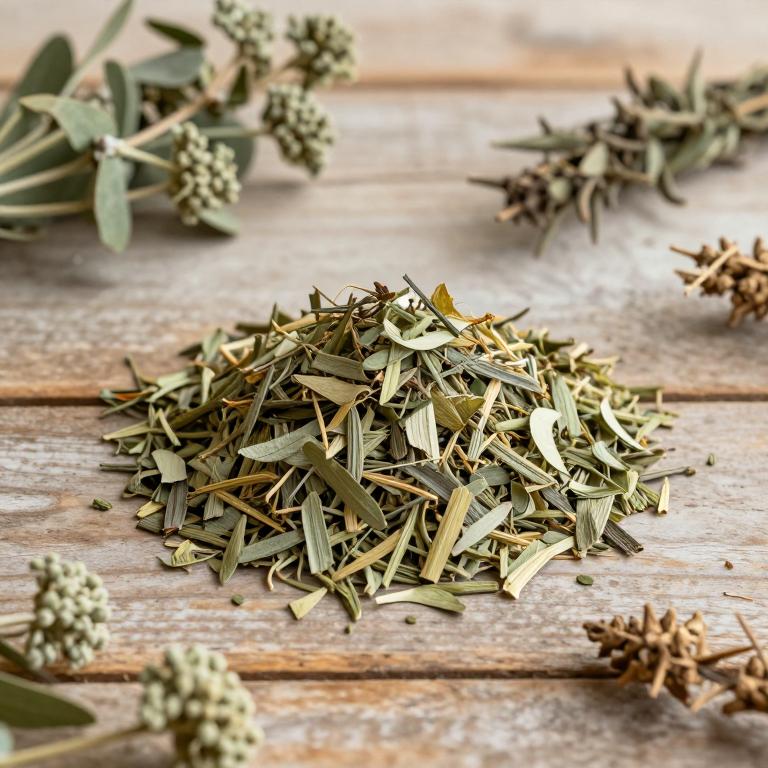
Lippia kituiensis is a fascinating botanical species known for its distinct morphological characteristics. Researchers frequently focus on the plant's leaf to investigate its diverse chemical properties. Various studies utilize both aqueous and organic extracts to isolate its bioactive compounds. These different preparation methods allow for a comprehensive analysis of the plant's potential therapeutic uses. Understanding these extracts is essential for unlocking the medicinal value held within its foliage.
- Synonyms
- Lantana Scabrifolia
- Common names
- Not available
- Family
- Verbenaceae
- Distribution
- Not available
- Plant Parts
- Leaf
Classification
Synonyms
Lippia kituiensis is a botanical species that is often identified by different names in scientific literature. It is formally recognized as a synonym of Lantana scabrifolia, a connection that can sometimes lead to confusion for researchers. Understanding these taxonomic relationships is essential for accurate plant identification and classification. By recognizing that these two names refer to the same organism, botanists can maintain consistency in their studies. This synonymy highlights the evolving nature of botanical nomenclature as scientists refine their understanding of plant families.
Sources: The World Checklist of Vascular Plants (WCVP)
Taxonomy
Lippia kituiensis is a fascinating botanical specimen that belongs to the expansive kingdom Plantae. Within this vast kingdom, the plant is classified under the class Equisetopsida. It further belongs to the order Lamiales, showcasing its specific evolutionary lineage. As a member of the Verbenaceae family, it shares common traits with many other well-known shrubs and herbs. Ultimately, this species is defined by its placement within the distinct genus Lippia.
| Rank | Classification |
|---|---|
| Kingdom | Plantae |
| Phylum | Streptophyta |
| Class | Equisetopsida |
| Subclass | Magnoliidae |
| Order | Lamiales |
| Family | Verbenaceae |
| Genus | Lippia |
Sources: The World Checklist of Vascular Plants (WCVP)
Distribution
Geographic Regions
Lippia kituiensis is a notable plant species with a widespread distribution across the African continent. It is primarily found within the East Tropical Africa region, specifically inhabiting parts of Kenya and Tanzania. The species also extends its reach into South Tropical Africa, where it can be found in Malawi. This geographical range highlights its ability to adapt to various tropical environments throughout these diverse territories. Understanding these specific locations is essential for studying the plant's ecological role within its natural habitats.
Sources: The World Checklist of Vascular Plants (WCVP)
Identification
Morphology
Lippia kituiensis is a self-supporting shrub that maintains a sturdy structural presence in its natural habitat. This plant typically exhibits a bushy growth form, allowing it to occupy its niche effectively. It can reach a maximum height of 3 meters, making it a significant component of its local ecosystem.
Sources: Global Inventory of Floras and Traits (GIFT)
Biological Activities
Compounds
Conditions
Lippia kituiensis was evaluated as a medicinal plant extract for its potential to control the production of aflatoxin. During the study, the leaves of this plant were tested for their antifungal properties against specific toxigenic strains of Aspergillus flavus. The research utilized both disc diffusion and broth dilution methods to determine how these extracts influence fungal activity. When combined with visible light treatment, the extracts helped reduce the viability of fungal conidia compared to untreated controls. Ultimately, the study suggests that such medicinal extracts could be developed to manage the spread of toxigenic fungi.
Preparations
Lippia kituiensis is prepared as both aqueous and organic extracts for use in medicinal studies. These specific leaf extracts were tested to explore their potential effectiveness in controlling aflatoxin production. During the research, the organic extracts of this plant were evaluated for their species and concentration-dependent antifungal activity. In contrast, the aqueous extracts were assessed alongside other preparations to determine their inhibitory effects on fungal spores. This dual preparation method allows for a comprehensive analysis of how different solvent types influence the plant's bioactive properties.
Parts used
Lippia kituiensis serves as a significant subject in research regarding the effectiveness of medicinal plant extracts for controlling aflatoxin production. In this specific study, the leaf of the plant was utilized to create extracts for testing their antifungal properties. Researchers examined how these leaf extracts, when combined with visible light, influenced the viability of toxigenic fungal conidia. The investigation focused on the phytochemical composition and the potential of such botanical components to inhibit fungal spread. Ultimately, the findings suggest that plant parts like these leaves hold promise for developing new methods to manage harmful molds.