Linum striatum
Linum striatum · Accepted scientific name
Scientific literature: Very Sparse (0 studies) · ★☆☆☆☆
Linum striatum is a plant species that has garnered significant scientific interest due to its unique biochemical profile. Research has identified the presence of Justicidin B within its tissues, a compound with potential therapeutic implications. Studies focusing on Chronic Myeloid Leukemia have explored how derivatives from this plant might impact cancer cell lines. To facilitate these investigations, scientists utilize various specialized preparations including callus and in vitro cultures. Furthermore, the production of these bioactive metabolites is enhanced through the use of normal and hairy root cultures as well as suspension cultures.
- Synonyms
- Nezera Striata · Linum Virginianum Var. Diffusum · 5 more
- Common names
- Not available
- Family
- Linaceae
- Distribution
- Asia-Tropical
- Plant Parts
- Not available
Classification
Common Names
Linum striatum is a botanical species known by several distinct common names across different regions. In English-speaking areas, it is frequently referred to as the ridged yellow flax or simply rigid flax. The plant also carries the French designation lin à tige striée, reflecting its unique physical characteristics. These various names highlight the plant's striking appearance and its place within the flax family. Understanding these different labels helps gardeners and botanists identify this specific variety more easily.
Sources: Catalogue of Life (COL)
Synonyms
Linum striatum is a botanical subject characterized by a complex network of taxonomic synonyms. This species has been identified under various alternative names, including Cathartolinum striatum and Linum diffusum. Scientific literature also recognizes several distinct varieties that fall under its umbrella, such as Linum striatum var. multijugum. Furthermore, its classification overlaps with Linum virginianum var. diffusum and Linum virginianum var. oppositifolium. Understanding these overlapping relationships is essential for accurate botanical identification and study.
Sources: The World Checklist of Vascular Plants (WCVP)
Taxonomy
Linum striatum belongs to the vast kingdom Plantae, representing a diverse branch of the living world. Within this kingdom, the species is classified under the class Equisetopsida. It is further organized into the order Malpighiales, which highlights its complex evolutionary connections. As a member of the Linaceae family, it shares close biological ties with many other flax species. Ultimately, this plant is defined by its placement within the genus Linum, which characterizes its unique botanical identity.
| Rank | Classification |
|---|---|
| Kingdom | Plantae |
| Phylum | Streptophyta |
| Class | Equisetopsida |
| Subclass | Magnoliidae |
| Order | Malpighiales |
| Family | Linaceae |
| Genus | Linum |
Sources: The World Checklist of Vascular Plants (WCVP)
Distribution
Geographic Regions
Linum striatum exhibits a broad geographic range throughout various regions of Northern America. In the northern reaches, this species can be found spanning from Eastern Canada into Ontario. Its presence extends significantly through the North-Central United States, specifically within the states of Illinois, Missouri, and Oklahoma. Additionally, the plant's distribution reaches into the Northeastern United States, including areas such as Connecticut. This wide dispersal highlights the plant's ability to thrive across diverse North American landscapes.
Sources: The World Checklist of Vascular Plants (WCVP)
Identification
Morphology
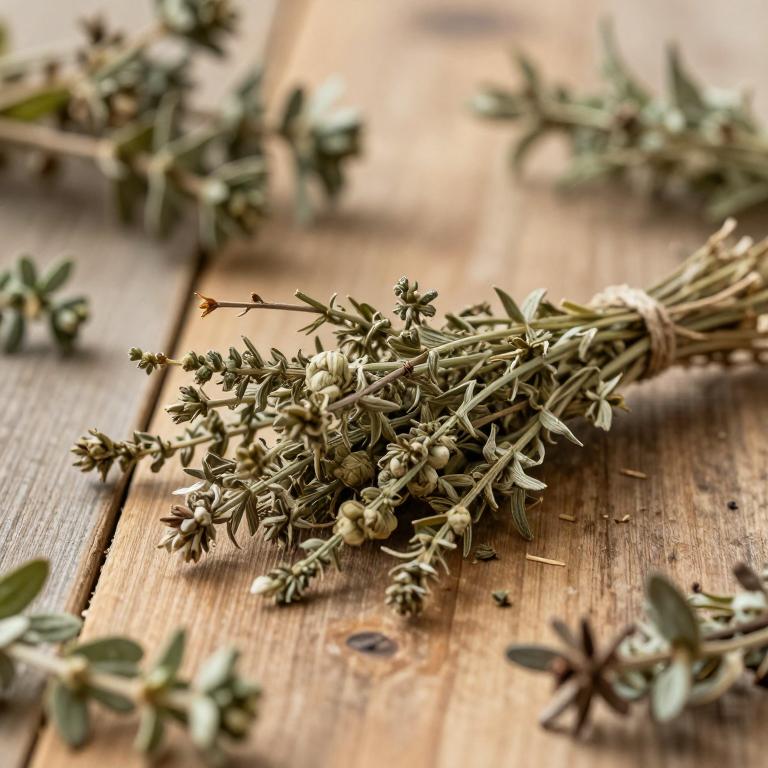
Linum striatum is a self-supporting herb that maintains a compact and sturdy structure. This plant typically reaches a modest maximum height of approximately 0.79 meters. Its growth form allows it to thrive effectively within its natural environment.
Sources: Global Inventory of Floras and Traits (GIFT)
Biological Activities
Compounds
Linum striatum belongs to a group of flax species recognized for their ability to produce significant amounts of bioactive arylnaphthalene lignans. Research into various Linum species has highlighted the presence of Justicidin B, a compound known for its strong cytotoxicity against specific leukemia cell lines. While studies have confirmed the production of this compound in species like Linum glaucum and Linum austriacum, it underscores the medicinal potential inherent within the Linum genus. The detection of such natural products through advanced HPLC methods provides critical insight into the chemosystematic relationships between these plants. Ultimately, identifying these chemical profiles is a vital step in the pharmaceutical development of endangered medicinal flora.
Conditions
Linum striatum contains specific lignans that demonstrate potential for treating various forms of cancer. Research indicates that the arylnaphthalene lignan Justicidin B exhibits strong cytotoxicity against chronic lymphoid leukemia cell lines. This same compound also shows significant effectiveness in treating chronic myeloid leukemia. The presence of these medicinal properties in the Linum genus highlights its pharmaceutical importance. Consequently, these specific plant relationships offer a promising avenue for addressing these two types of leukemia.
Preparations
Linum striatum can be prepared as a callus for various botanical studies. It is also frequently prepared as an in vitro culture to facilitate secondary metabolite production. Researchers may prepare the species as normal and hairy root cultures to study specific lignan accumulation. Additionally, the plant is prepared as a suspension culture to yield different chemical compounds. These various preparation methods allow for the detailed investigation of the plant's biological properties.