Linum persicum
Linum persicum · Accepted scientific name
Scientific literature: Very Sparse (0 studies) · ★☆☆☆☆
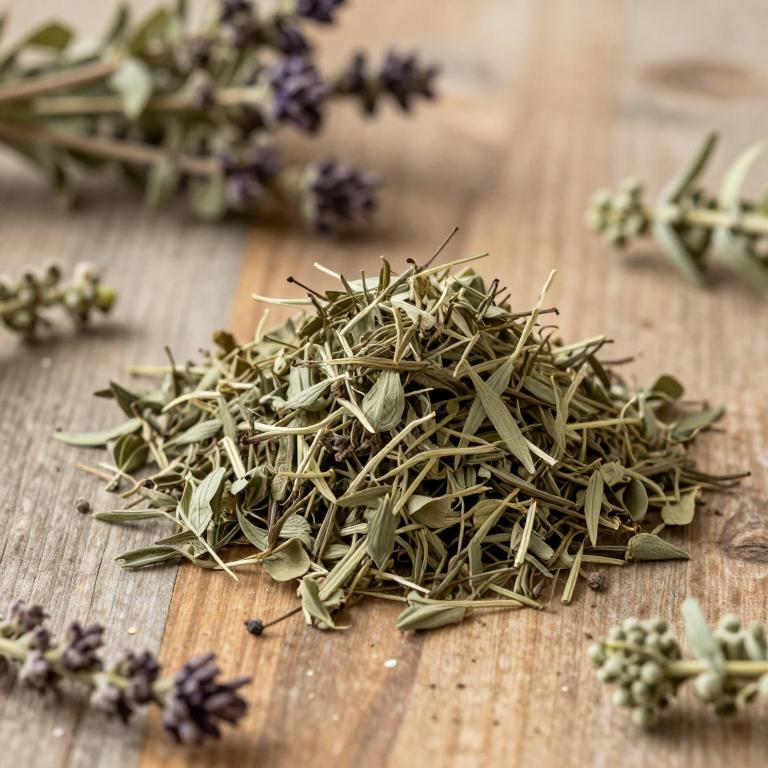
Linum persicum is a botanical species recognized for its diverse potential in pharmacological research. Scientists have focused significant attention on this plant to explore its complex chemical profile. Various studies have utilized methanolic extracts to isolate its bioactive constituents for further analysis. By employing this specific extract, researchers aim to uncover the plant's therapeutic properties. Understanding these preparations is essential for developing new applications in the field of natural medicine.
- Synonyms
- Not available
- Common names
- Not available
- Family
- Linaceae
- Distribution
- Not available
- Plant Parts
- Not available
Classification
Taxonomy
Linum persicum belongs to the vast kingdom Plantae, showcasing the diverse biological complexity of the natural world. Within this kingdom, the species is classified under the class Equisetopsida and the order Malpighiales. It further resides in the specific family Linaceae, which helps botanists understand its evolutionary lineage. This plant is also a member of the genus Linum, a group known for its distinct characteristics. Through these hierarchical relationships, the botanical identity of Linum persicum is clearly defined.
| Rank | Classification |
|---|---|
| Kingdom | Plantae |
| Phylum | Streptophyta |
| Class | Equisetopsida |
| Subclass | Magnoliidae |
| Order | Malpighiales |
| Family | Linaceae |
| Genus | Linum |
Sources: The World Checklist of Vascular Plants (WCVP)
Distribution
Geographic Regions
Linum persicum is a distinctive species primarily characterized by its specific geographic distribution across the Asia-temperate region. Within this vast area, the plant finds its most notable presence throughout the landscapes of Western Asia. Iran serves as a significant stronghold for the species, offering the environmental conditions necessary for its continued existence. Understanding these regional patterns is essential for researchers studying the botanical diversity of the Middle East. Consequently, the plant's range highlights a unique ecological niche within its temperate surroundings.
Sources: The World Checklist of Vascular Plants (WCVP)
Identification
Biological Activities
Compounds
Conditions
Linum persicum demonstrates significant anti-inflammatory properties by effectively reducing the production of nitric oxide (NO). The plant extract also acts to inhibit the pro-inflammatory cytokines IL-1β and TNF-α in stimulated macrophages. In addition to these inflammatory responses, Linum persicum exhibits anticancer potential through its ability to treat leukemia cell lines. Specifically, it shows potent inhibitory effects on both Jurkat and K562 cell lines by inducing apoptosis. These combined biological activities highlight its effectiveness in modulating both immune responses and tumor cell proliferation.
Preparations
Linum persicum is prepared as methanolic extracts to investigate its various biological and medicinal properties. These specific methanolic extracts of the plant are utilized to examine the inhibition of nitric oxide production and pro-inflammatory cytokines in macrophage cultures. Furthermore, the plant is prepared as an extract to assess its potential anticancer effects and ability to induce apoptosis in human leukemia cell lines. In studies regarding immunomodulatory activities, the extract of this plant is used to evaluate its impact on the proliferation of human lymphocytes. Through these different preparation methods, the extract of Linum persicum demonstrates significant inhibitory and cytotoxic activities across various cellular models.