Linum alpinum subsp. alpinum
Linum alpinum subsp. alpinum · Accepted scientific name
Scientific literature: Very Sparse (7 studies) · ★☆☆☆☆
, scientifically known as Linum alpinum subsp. alpinum, is a delicate perennial herb native to high-altitude alpine environments. Renowned for its striking, sky-blue blossoms, this subspecies thrives in rocky meadows. While primarily valued for its ornamental beauty, it remains a fascinating subject in botanical studies of mountain ecosystems.
- Family
- Linaceae
- Native range
- Europe
- Parts used
- Root
- Common names
- Not available
- Scientific synonyms
- Linum Alpinum Subsp. Gracilius · Linum Alpinum Var. Gracilius · 5 more
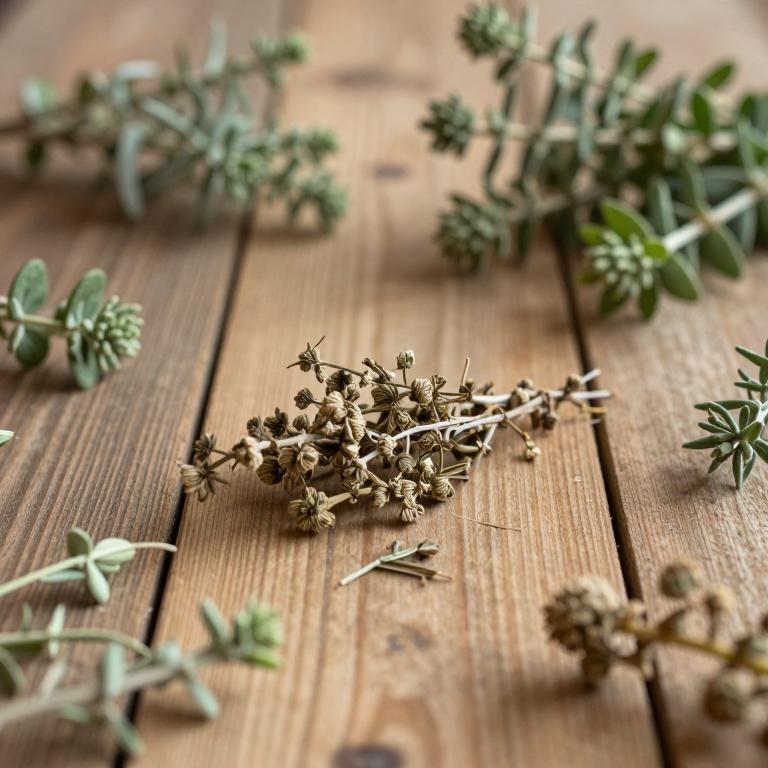
Names and Synonyms
Scientific Names
Accepted name
Linum alpinum subsp. alpinumSynonyms
- Linum alpinum subsp. gracilius
- Linum alpinum var. gracilius
- Adenolinum pyrenaicum
- Adenolinum provinciale
- Adenolinum alpicola
- Linum transsilvanicum
- Linum bavaricum
Sources: Wikidata
Taxonomical Classification
This plant belongs to the kingdom Plantae and the phylum Streptophyta, falling under the class Equisetopsida and subclass Magnoliidae. Within the order Malpighiales and the family Linaceae, it is classified under the genus Linum. Specifically, the medicinal subspecies is identified as Linum alpinum subsp. alpinum.
| Rank | Classification |
|---|---|
| Kingdom | Plantae |
| Phylum | Streptophyta |
| Class | Equisetopsida |
| Subclass | Magnoliidae |
| Order | Malpighiales |
| Family | Linaceae |
| Genus | Linum |
Sources: The World Checklist of Vascular Plants (WCVP)
Distribution
This plant exhibits a broad geographical distribution across several key regions of the European continent. In Middle Europe, its presence is notably documented within the mountainous terrain of Switzerland. Moving toward Southwestern Europe, the species can be found growing in both France and Spain. Its range extends into Southeastern Europe, where it inhabits parts of Albania. Finally, the distribution reaches further east into the landscape of Bulgaria.
| Region | Area |
|---|---|
| Middle Europe | Switzerland |
| Southwestern Europe | France |
| Southwestern Europe | Spain |
| Southeastern Europe | Albania |
| Southeastern Europe | Bulgaria |
| Southeastern Europe | Greece |
| Southeastern Europe | Italy |
| Southeastern Europe | NW. Balkan Pen. |
Sources: The World Checklist of Vascular Plants (WCVP)
Plant Parts
Linum alpinum subsp. alpinum has 1 reported plant parts identified across 1 scientific publications and several other databases that are studied for medicinal purposes. The most consistently reported plant part include root.
| Plant part | Supporting sources | Consensus |
|---|---|---|
| Root | 1 supporting sources | ★☆☆☆☆ |
Root
- Journal of natural products
Chemicals
Linum alpinum subsp. alpinum has 1 reported phytochemicals identified across 1 scientific publications and several other databases. The most consistently reported chemicals include Justicidin B.
| Chemical | Supporting sources | Consensus |
|---|---|---|
| Justicidin B | 2 supporting sources | ★☆☆☆☆ |
Justicidin B
- Zeitschrift fur Naturforschung. C, Journal of biosciences
- Journal of natural products
Preparations
Linum alpinum subsp. alpinum has 4 reported preparations identified across 1 scientific publications and several other databases. The most consistently reported preparations include Callus, in vitro culture, normal and hairy root cultures, suspension.
| Preparation | Supporting sources | Consensus |
|---|---|---|
| Callus | 1 supporting sources | ★☆☆☆☆ |
| In vitro culture | 1 supporting sources | ★☆☆☆☆ |
| Normal and hairy root cultures | 1 supporting sources | ★☆☆☆☆ |
| Suspension | 1 supporting sources | ★☆☆☆☆ |
Callus
- Journal of natural products
In vitro culture
- Zeitschrift fur Naturforschung. C, Journal of biosciences
Normal and hairy root cultures
- Journal of natural products
Suspension
- Journal of natural products