Lindera
Lindera · Accepted scientific name
Scientific literature: Very Sparse (0 studies) · ★☆☆☆☆
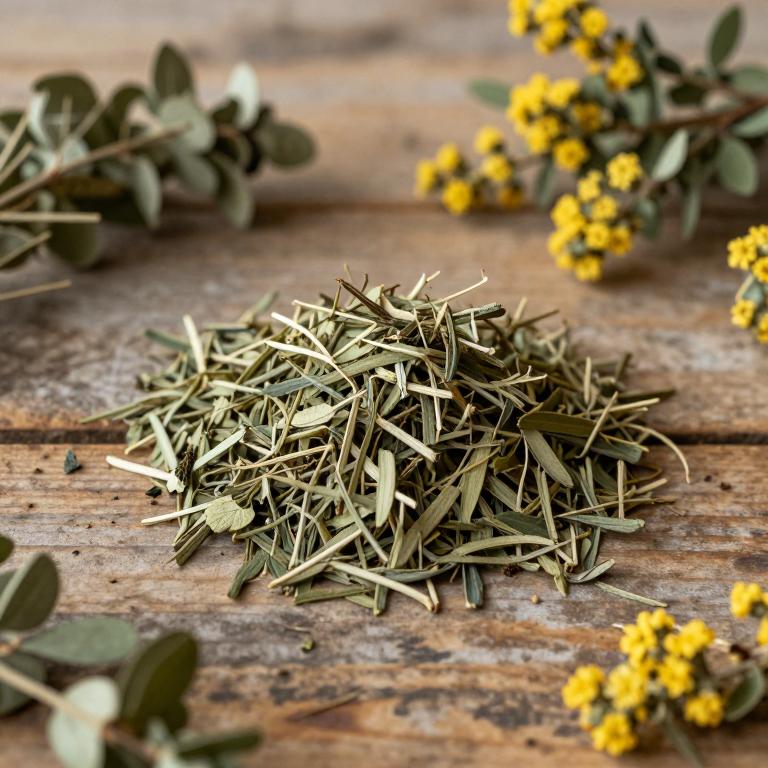
Lindera is a genus of flowering plants that has long been valued for its unique botanical properties and historical significance. Within various traditional practices, the plant is frequently utilized to produce a specialized medicinal resin. This substance is often processed into semipetrified amber, a form highly regarded for its concentrated essence. Furthermore, the extraction of semipetrified amber benzoin offers a distinct aromatic and therapeutic profile. These diverse preparations highlight the enduring importance of Lindera in both natural history and medicinal study.
- Synonyms
- Daphnidium · Calosmon · 6 more
- Common names
- Not available
- Family
- Lauraceae
- Distribution
- Not available
- Plant Parts
- Not available
Classification
Common Names
Lindera is a versatile plant that is known by many different names depending on the region and language. In English-speaking areas, it is most frequently referred to as spicebush or spicebushes. It is also commonly called spicewood, highlighting its unique aromatic qualities. In certain contexts, the simple name lindera is used to identify the species directly. Furthermore, the plant is recognized by the Finnish name ryytilaakerit, showcasing its international presence.
Sources: Catalogue of Life (COL)
Synonyms
Lindera is a botanical genus that has historically been associated with several different taxonomic designations. Throughout various scientific studies, the plant has been referred to by synonyms such as Aperula and Benzoe. Researchers have also documented its classification under the names Calosmon and Daphnidium. Furthermore, the name Evelyna has been utilized in different contexts within its complex botanical history. Understanding these various nomenclatural relationships is essential for accurately identifying the species within its evolutionary lineage.
Sources: The World Checklist of Vascular Plants (WCVP)
Taxonomy
Lindera is a fascinating botanical entity that belongs to the kingdom Plantae. Within this vast realm, it is specifically classified under the class Equisetopsida. The plant is further organized into the order Laurales, showcasing its distinct evolutionary lineage. It is also a prominent member of the family Lauraceae, which connects it to many other aromatic species. Ultimately, this diverse biological identity is defined by its placement within the genus Lindera.
| Rank | Classification |
|---|---|
| Kingdom | Plantae |
| Phylum | Streptophyta |
| Class | Equisetopsida |
| Subclass | Magnoliidae |
| Order | Laurales |
| Family | Lauraceae |
| Genus | Lindera |
Sources: The World Checklist of Vascular Plants (WCVP)
Distribution
Geographic Regions
Lindera exhibits a broad and diverse geographical distribution across various regions of Asia. Within China, this plant can be found spanning from the North-Central territories to the Southeast. Its presence extends further south into the tropical climate of Hainan, showcasing significant ecological adaptability. Additionally, the species thrives in the more northern reaches of Manchuria. Collectively, these locations highlight the wide-ranging reach of Lindera throughout the Asia-Temperate zone.
Sources: The World Checklist of Vascular Plants (WCVP)
Identification
Biological Activities
Compounds
Lindera is a plant genus of significant phytochemical interest due to its diverse chemical profile. Research indicates that Lindera contains lignans, which are important bioactive compounds found within the plant. Additionally, Lindera contains terpenoids that contribute to its complex chemical makeup. These specific secondary metabolites are essential for understanding the plant's overall biological properties. Identifying such constituents is a vital step in exploring the therapeutic potential of the species.
Conditions
Preparations
Lindera is prepared as resin and is specifically utilized as a medicinal resin. This plant substance is also processed as semipetrified amber. Furthermore, it can be prepared in the form of semipetrified amber benzoin. Finally, Lindera is prepared as a tincture of benzoin.