Lindera sericea
Lindera sericea · Accepted scientific name
Scientific literature: Very Sparse (0 studies) · ★☆☆☆☆
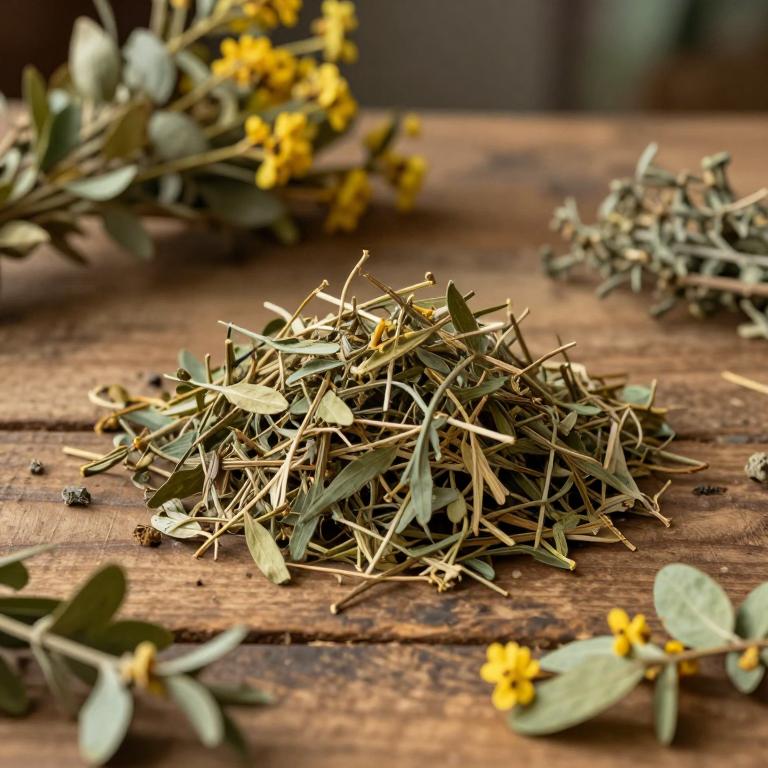
Lindera sericea is a deciduous shrub widely recognized for its significant presence in traditional medicinal practices. Scientific investigations into this species have focused on its complex chemical profile, particularly its secondary metabolites. Research has identified key bioactive compounds within the plant, most notably the flavonoids pinocembrin and pinostrobin. To study these properties effectively, researchers frequently utilize a methanolic extract to isolate the plant's potent constituents. Understanding these chemical components is essential for uncovering the therapeutic potential held within this botanical species.
- Synonyms
- Benzoin Sericeum · Benzoin Umbellatum Var. Sericeum · 1 more
- Common names
- Not available
- Family
- Lauraceae
- Distribution
- Not available
- Plant Parts
- Not available
Classification
Common Names
Lindera sericea is a versatile plant recognized by various regional names across different cultures. In Korea, it is commonly referred to as Teol-jo-jang-na-mu or 털조장나무. Its identity is also well-established in Japan, where it is known as ケクロモジ. Furthermore, the species is identified in Chinese contexts by the name 毛釣樟. These diverse common names reflect the plant's widespread presence and botanical significance throughout East Asia.
Sources: Catalogue of Life (COL)
Synonyms
Lindera sericea is a botanical subject that has been identified through various taxonomic designations over time. It is formally recognized under several synonyms, including the name Benzoin sericeum. Additionally, the plant has been categorized as Benzoin umbellatum var. sericeum in different scientific contexts. Another historical classification identifies it as Lindera umbellata var. sericea. Understanding these various names is essential for navigating the complex botanical history associated with this species.
Sources: The World Checklist of Vascular Plants (WCVP)
Taxonomy
Lindera sericea is a fascinating botanical specimen that belongs to the vast kingdom Plantae. Within this diverse kingdom, the plant is categorized under the class Equisetopsida. It further descends through the order Laurales, showcasing its specific evolutionary lineage. As a member of the genus Lindera, it exhibits unique characteristics typical of its group. Ultimately, this species is a distinguished representative of the Lauraceae family.
| Rank | Classification |
|---|---|
| Kingdom | Plantae |
| Phylum | Streptophyta |
| Class | Equisetopsida |
| Subclass | Magnoliidae |
| Order | Laurales |
| Family | Lauraceae |
| Genus | Lindera |
Sources: The World Checklist of Vascular Plants (WCVP)
Distribution
Geographic Regions
Lindera sericea is a resilient species with a significant presence across the Asia-temperate regions. Its natural habitat extends throughout much of Eastern Asia, where it plays a vital role in local ecosystems. Within this broad range, the plant is particularly well-established in the diverse landscapes of Japan. Furthermore, it can be found flourishing across the various terrains of Korea. This wide distribution highlights the plant's ability to adapt to the specific environmental conditions found across these neighboring territories.
Sources: The World Checklist of Vascular Plants (WCVP)
Identification
Morphology
Lindera sericea typically develops into a graceful tree-like growth form.
Sources: Global Inventory of Floras and Traits (GIFT)
Biological Activities
Compounds
Lindera sericea, a deciduous shrub from the Lauraceae family, has recently been identified as a significant source of bioactive compounds. Researchers conducting spectroscopic analysis of its methanolic extract discovered that the plant contains pinocembrin and pinostrobin. These two specific compounds were identified as the major bioactive constituents within the species. Studies revealed that pinostrobin acts as a TGR5 activator, while both pinocembrin and pinostrobin function as modest activators of PPARγ. Consequently, these findings suggest that Lindera sericea holds great promise for developing new metabolic regulatory activities.
Conditions
Lindera sericea contains bioactive compounds that facilitate the activation of both TGR5 and PPARγ. Research into its methanolic extract demonstrates a significant, dose-dependent activation of the Takeda G protein-coupled receptor 5. Furthermore, the plant provides modest activation of the peroxisome proliferator-activated receptor-gamma. These biological effects are primarily driven by the specific compounds pinocembrin and pinostrobin isolated from the shrub. Consequently, the plant serves as a vital source of molecules capable of stimulating these two key metabolic receptors.
Preparations
Lindera sericea is prepared as a methanolic extract to investigate its potential medicinal properties. This specific extraction process allowed researchers to evaluate the plant's ability to activate TGR5 and PPARγ receptors. Through this methanolic extract, significant dose-dependent TGR5 activation was observed. The study further identified pinocembrin and pinostrobin as the major bioactive compounds within the extract. Ultimately, the use of a methanolic extract proved essential in isolating these metabolic regulatory compounds from the plant.