Lilium davidii var. willmottiae
Lilium davidii var. willmottiae · Accepted scientific name
Scientific literature: Very Sparse (1 studies) · ★☆☆☆☆
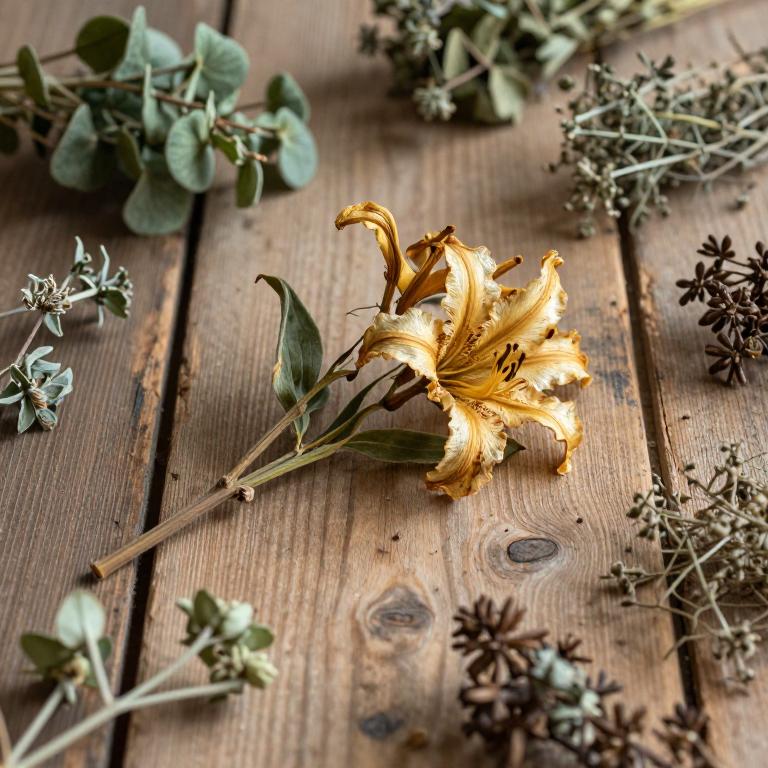
, scientifically known as Lilium davidii var. willmottiae, is a captivating perennial lily valued for its striking appearance and traditional uses. Beyond its ornamental elegance, this variety holds significance in botanical studies, offering unique phytochemical properties that invite exploration into its potential medicinal applications and therapeutic contributions to holistic wellness.
- Family
- Liliaceae
- Native range
- Asia-Temperate
- Parts used
- Not available
- Common names
- Not available
- Scientific synonyms
- Lilium Willmottiae · Lilium Warleyense · 1 more
Names and Synonyms
Scientific Names
Accepted name
Lilium davidii var. willmottiaeSynonyms
- Lilium willmottiae
- Lilium warleyense
- Lilium chinense
Sources: Wikidata, Catalogue of Life
Taxonomical Classification
This plant belongs to the kingdom Plantae and the phylum Streptophyta, falling under the class Equisetopsida and subclass Magnoliidae. Within the order Liliales, it is classified under the family Liliaceae and the genus Lillium. Specifically, its taxonomic identity is defined as the variety willmottiae of the species Lillium davidii.
| Rank | Classification |
|---|---|
| Kingdom | Plantae |
| Phylum | Streptophyta |
| Class | Equisetopsida |
| Subclass | Magnoliidae |
| Order | Liliales |
| Family | Liliaceae |
| Genus | Lilium |
Sources: The World Checklist of Vascular Plants (WCVP)
Distribution
This plant exhibits a broad geographical distribution across several key regions of Asia. Within China, it can be found spanning from the South-Central areas to the North-Central provinces. Furthermore, its habitat extends into the high-altitude regions of Tibet. Beyond Chinese borders, the species is also present within the East Himalaya. Together, these locations define the specific ecological range of Lilium davidii var. willmottiae.
| Region | Area |
|---|---|
| China | China South-Central |
| China | China North-Central |
| China | Tibet |
| Indian Subcontinent | East Himalaya |
Sources: The World Checklist of Vascular Plants (WCVP)
Chemicals
Lilium davidii var. willmottiae has 1 reported phytochemicals identified across 0 scientific publications and several other databases. The most consistently reported chemicals include Steroid Saponins.
| Chemical | Supporting sources | Consensus |
|---|---|---|
| Steroid Saponins | 1 supporting sources | ★☆☆☆☆ |
Steroid Saponins
- Molecules (Basel, Switzerland)