Licania densiflora
Licania densiflora · Accepted scientific name
Scientific literature: Very Sparse (0 studies) · ★☆☆☆☆
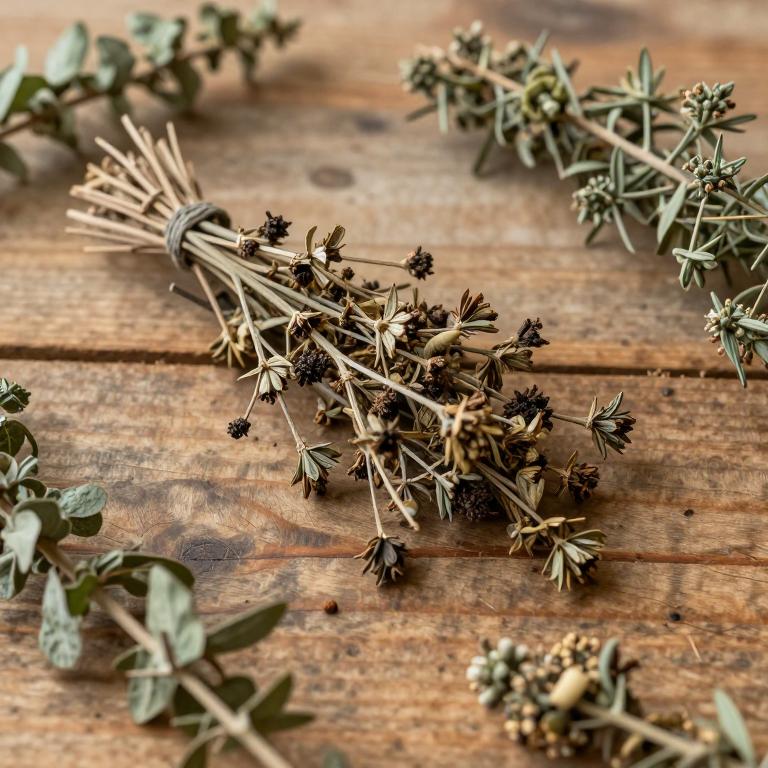
Licania densiflora is a distinctive plant species known for its unique botanical characteristics. This plant is primarily studied through the examination of its vibrant and structural leaves. For various research or traditional purposes, the leaves are often processed into dried leaves to preserve their properties. These preparations allow for a more concentrated study of the plant's organic components. Understanding the morphology of its foliage is essential for identifying this specific species in the wild.
- Synonyms
- Licania Kanukuensis
- Common names
- Not available
- Family
- Chrysobalanaceae
- Distribution
- Southern America
- Plant Parts
- Leaf
Classification
Synonyms
Licania densiflora is a botanical species that is often identified through its taxonomic history. In various scientific records, this plant is listed under the synonym Licania kanukuensis. Understanding these nomenclature connections is essential for researchers tracking the distribution of the species. Such botanical synonyms ensure that data remains consistent across different studies and herbarium collections. Recognizing these relationships helps clarify the complex identity of this particular plant within its genus.
Sources: The World Checklist of Vascular Plants (WCVP)
Taxonomy
Licania densiflora is a distinguished member of the kingdom Plantae, showcasing the diverse beauty of the natural world. This specific species belongs to the genus Licania, a group characterized by its unique botanical features. Within its complex classification, it is categorized under the order Malpighiales and the class Equisetopsida. Furthermore, it is a primary representative of the family Chrysobalanaceae. Understanding these hierarchical relationships provides essential insight into the evolutionary history of this remarkable plant.
| Rank | Classification |
|---|---|
| Kingdom | Plantae |
| Phylum | Streptophyta |
| Class | Equisetopsida |
| Subclass | Magnoliidae |
| Order | Malpighiales |
| Family | Chrysobalanaceae |
| Genus | Licania |
Sources: The World Checklist of Vascular Plants (WCVP)
Distribution
Geographic Regions
Licania densiflora is a plant species primarily distributed across various regions of Southern America. Its presence is notably widespread throughout Brazil, encompassing both central and northern territories. The species also flourishes across Northern South America, establishing significant populations in French Guiana and Guyana. Furthermore, its natural habitat extends into Suriname and Venezuela, showcasing its ecological versatility. This broad distribution highlights the plant's vital role within the diverse landscapes of the South American continent.
Sources: The World Checklist of Vascular Plants (WCVP)
Identification
Morphology
Licania densiflora is a self-supporting tree that stands as a robust presence within its ecosystem. This species exhibits a significant growth form, reaching impressive dimensions as it matures. Depending on its specific environmental conditions, the tree can attain a maximum height of 25 m or even up to 30 m. Such substantial stature allows it to compete effectively for sunlight in dense forest canopies.
Sources: Global Inventory of Floras and Traits (GIFT)
Biological Activities
Compounds
Conditions
Preparations
Licania densiflora is prepared as dried leaves for the extraction of specific chemical compounds. These dried leaves serve as the source for identifying five distinct myricetin glycosides. Researchers utilized these plant parts to isolate structures such as myricetin 3'-methylether-3-O-glucoside and its various derivatives. The preparation of the dried leaves allowed for successful structural elucidation through advanced spectroscopic methods. Consequently, the use of dried leaves is essential for the study of the myricetin glycosides found within Licania densiflora.
Parts used
Licania densiflora serves as a significant source of unique biochemical compounds found within its biological structures. Specifically, the dried leaves of this plant contain a diverse array of specialized metabolites. Researchers have successfully identified five distinct myricetin glycosides through the analysis of these leaf samples. These complex molecules, including various methylether-O-glucosides and rhamnosides, were precisely characterized using advanced spectroscopic techniques. Such findings highlight the chemical richness inherent in the leafy parts of Licania densiflora.