Moon Carrot
Libanotis pyrenaica subsp. pyrenaica · Accepted scientific name
Scientific literature: Very Sparse (4 studies) · ★☆☆☆☆
Moon Carrot, scientifically known as Libanotis pyrenaica subsp. pyrenaica, is a distinctive medicinal herb native to the Mediterranean region. Valued in traditional herbalism, this plant possesses unique bioactive properties. It is frequently studied for its potential therapeutic applications, offering promising insights into natural pharmacology and holistic wellness treatments.
- Family
- Apiaceae
- Native range
- Europe
- Parts used
- Fruit
- Common names
- Moon Carrot
- Scientific synonyms
- Libanotis Athamanthoides · Seseli Libanotis F. Callayi · 69 more
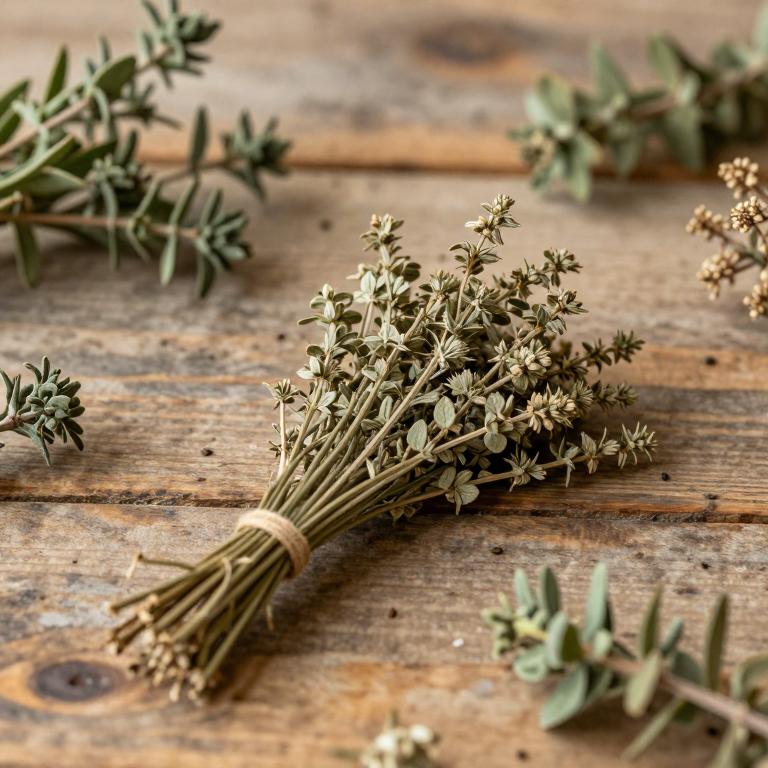
Names and Synonyms
Common Names
- Moon Carrot
Scientific Names
Accepted name
Libanotis pyrenaica subsp. pyrenaicaSynonyms
- Libanotis athamanthoides
- Seseli libanotis f. callayi
- Seseli libanotis f. glabrum
- Libanotis montana subsp. athamanthoides
- Libanotis pyrenaica subsp. montana
- Athamanta libanotis var. riviniana
- Libanotis pyrenaica subvar. riviniana
- Libanotis pyrenaica f. callayi
- Libanotis pyrenaica f. glabra
- Seseli libanotis var. bipinnata
- Libanotis nitens
- Libanotis nitida
- Balinotella libanotis subsp. leiocarpa
- Seseli athamantoides
- Libanotis pyrenaica subsp. athamanthoides
- Libanotis pyrenaica subsp. bipinnata
- Libanotis humilis
- Libanotis montana
- Libanotis pubescens
- Libanotis daucifolia
- Seseli libanotis var. pubescens
- Libanotis daucifolia var. athamantoides
- Seseli libanotis subsp. leiocarpum
- Libanotis montana var. gracilis
- Libanotis montana var. pubescens
- Libanotis vulgaris var. pubescens
- Libanotis libanotis
- Libanotis montana var. leiocarpa
- Seseli libanotis var. dissectum
- Libanotis pyrenaica subsp. eulibanotis
- Libanotis pyrenaica subvar. libanotis
- Athamanta libanotis var. major
- Athamanta libanotis var. exaltata
- Seseli libanotis var. minor
- Seseli libanotis var. major
- Bubon libanotis
- Seseli leiocarpum
- Seseli libanotis subsp. majus
- Seseli libanotis
- Selinum libanotis
- Seseli pubicarpum
- Seseli reichenbachii
- Seseli vulgare
- Seseli pencanum
- Sium ammi
- Libanotis pyrenaica var. libanotis
- Balinotella libanotis
- Athamanta daucoides
- Athamanta libanotis
- Athamanta pubescens
- Athamanta riviniana
- Athamanta caucasica
- Ligusticum sibiricum
- Ligusticum condensatum
- Ligusticum divaricatilobum
- Libanotis pumila
- Libanotis montana-ferulacea
- Libanotis major
- Libanotis taurica
- Libanotis riviniana
- Libanotis alpina
- Libanotis athamantica
- Libanotis athamantina
- Libanotis athamantoides
- Libanotis daucoides
- Libanotis gracilis
- Libanotis daucus-creticus
- Libanotis cretensis
- Libanotis hostiana
- Libanotis crithmoides
- Libanotis vulgaris
Regional and Traditional Names
German:
- Heilwurz
Sources: Wikidata, Catalogue of Life
Taxonomical Classification
This plant belongs to the kingdom Plantae and the phylum Streptophyta, falling under the class Equisetopsida and subclass Magnoliidae. Within the order Apiales, it is classified under the family Apiaceae. Specifically, it is identified by the genus Libanotis and belongs to the subspecies pyrenaica.
| Rank | Classification |
|---|---|
| Kingdom | Plantae |
| Phylum | Streptophyta |
| Class | Equisetopsida |
| Subclass | Magnoliidae |
| Order | Apiales |
| Family | Apiaceae |
| Genus | Libanotis |
Sources: The World Checklist of Vascular Plants (WCVP)
Distribution
This plant exhibits a specific distribution across various parts of the European continent. In Northern Europe, its presence is recorded in Denmark and Great Britain. It can also be found inhabiting the landscapes of Norway and Sweden. Moving toward the central part of the continent, the species is located in Middle Europe. Specifically, its geographical range extends into the country of Austria.
| Region | Area |
|---|---|
| Northern Europe | Denmark |
| Northern Europe | Great Britain |
| Northern Europe | Norway |
| Northern Europe | Sweden |
| Middle Europe | Austria |
| Middle Europe | Belgium |
| Middle Europe | Czechia-Slovakia |
| Middle Europe | Germany |
| Middle Europe | Poland |
| Middle Europe | Switzerland |
Sources: The World Checklist of Vascular Plants (WCVP)
Plant Parts
Libanotis pyrenaica subsp. pyrenaica has 1 reported plant parts identified across 1 scientific publications and several other databases that are studied for medicinal purposes. The most consistently reported plant part include fruit.
| Plant part | Supporting sources | Consensus |
|---|---|---|
| Fruit | 1 supporting sources | ★☆☆☆☆ |
Fruit
- Natural product communications
Chemicals
Libanotis pyrenaica subsp. pyrenaica has 2 reported phytochemicals identified across 1 scientific publications and several other databases. The most consistently reported chemicals include BETA-PHELLANDRENE, Sabinen.
| Chemical | Supporting sources | Consensus |
|---|---|---|
| BETA-PHELLANDRENE | 1 supporting sources | ★☆☆☆☆ |
| Sabinen | 1 supporting sources | ★☆☆☆☆ |
BETA-PHELLANDRENE
- Natural product communications
Sabinen
- Natural product communications
Activities
Libanotis pyrenaica subsp. pyrenaica has 1 reported activities identified across 1 scientific publications and several other databases. The most consistently reported activities include Antibacterial.
| Activity | Supporting sources | Consensus |
|---|---|---|
| Antibacterial | 1 supporting sources | ★☆☆☆☆ |
Antibacterial
- Natural product communications
Preparations
Libanotis pyrenaica subsp. pyrenaica has 3 reported preparations identified across 1 scientific publications and several other databases. The most consistently reported preparations include essential oil, headspace solid-phase microextraction, hydrodistillation.
| Preparation | Supporting sources | Consensus |
|---|---|---|
| Essential oil | 1 supporting sources | ★☆☆☆☆ |
| Headspace solid-phase microextraction | 1 supporting sources | ★☆☆☆☆ |
| Hydrodistillation | 1 supporting sources | ★☆☆☆☆ |
Essential oil
- Natural product communications
Headspace solid-phase microextraction
- Natural product communications
Hydrodistillation
- Natural product communications