Leucanthemum vulgare
Leucanthemum vulgare · Accepted scientific name
Scientific literature: Very Sparse (1 studies) · ★☆☆☆☆
Leucanthemum vulgare, commonly known as the oxeye daisy, is a versatile perennial herb widely recognized for its medicinal potential. Recent scientific investigations have specifically focused on the therapeutic properties found within its green leaves. Researchers have utilized dried ethanol extracts of these leaves to evaluate their biological potency. These studies primarily aim to demonstrate the plant's significant antimicrobial activities against various pathogens. Understanding these chemical profiles offers valuable insights into the natural defensive mechanisms of the species.
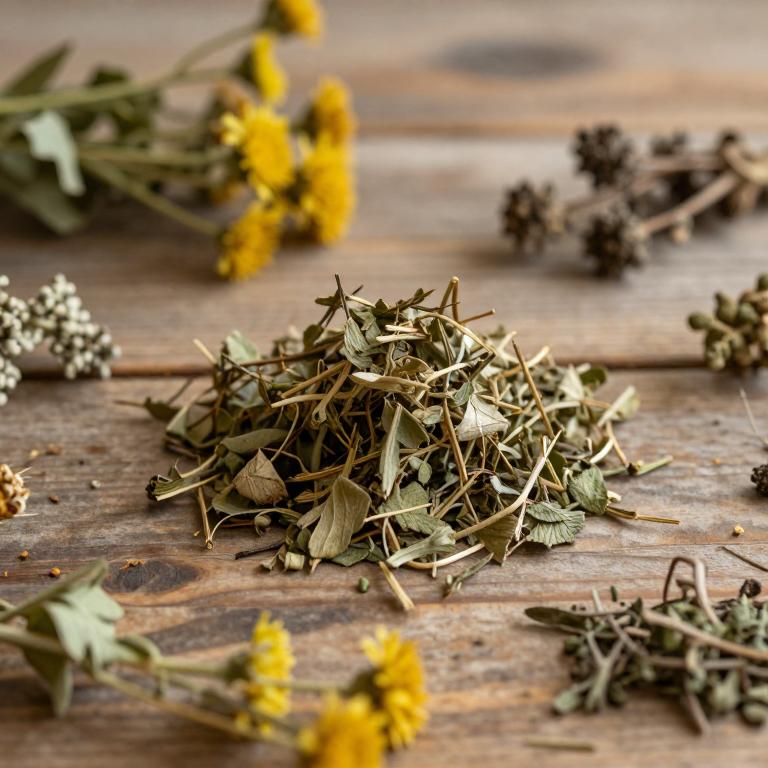
- Synonyms
- Pontia Vulgaris · Chrysanthemum Leucanthemum · 4 more
- Common names
- Not available
- Family
- Asteraceae
- Distribution
- Southern America
- Plant Parts
- Leaf
Classification
Common Names
Leucanthemum vulgare is a versatile plant recognized by a wide variety of regional names across different cultures. In certain areas, it is affectionately known by the common names Aspygan or Bastag vane. The plant also carries the charming moniker Bem-me-quer, reflecting its widespread presence in various landscapes. In different linguistic contexts, it can be identified as Beyaz ay papatyası or the unique Cúc mắt bò. These diverse names highlight the global significance and cultural integration of this beautiful species.
Sources: Catalogue of Life (COL)
Synonyms
Leucanthemum vulgare is a versatile species known by many different names in botanical literature. Due to historical reclassifications, it is frequently identified by its synonyms, such as Chamaemelum leucanthemum and Chrysanthemum leucanthemum. Researchers may also encounter this plant listed as Chrysanthemum vulgare or Matricaria leucanthemum in various scientific texts. Furthermore, the name Pontia vulgaris serves as another valid synonym for this common daisy. Understanding these overlapping designations is essential for accurate plant identification and study.
Sources: The World Checklist of Vascular Plants (WCVP)
Taxonomy
Leucanthemum vulgare is a fascinating specimen that belongs to the vast kingdom Plantae. Within this biological kingdom, the plant is specifically classified under the class Equisetopsida. It further resides in the order Asterales, a group that reflects its complex evolutionary history. As a member of the diverse Asteraceae family, it shares structural traits with many other well-known flowering plants. Ultimately, this species is defined by its unique position within the genus Leucanthemum.
| Rank | Classification |
|---|---|
| Kingdom | Plantae |
| Phylum | Streptophyta |
| Class | Equisetopsida |
| Subclass | Magnoliidae |
| Order | Asterales |
| Family | Asteraceae |
| Genus | Leucanthemum |
Sources: The World Checklist of Vascular Plants (WCVP)
Distribution
Geographic Regions
Leucanthemum vulgare exhibits a broad and diverse geographical distribution spanning various regions across the African continent. This species can be found in the island territories of Macaronesia, specifically within the Azores and Madeira. Its presence extends into Northeast Tropical Africa, where it is documented in countries such as Eritrea and Ethiopia. Additionally, the plant is well-established in Southern Africa, particularly throughout the Cape Provinces. These varied locations highlight the remarkable adaptability of the species across different African climates.
Sources: The World Checklist of Vascular Plants (WCVP)
Identification
Morphology
Leucanthemum vulgare is a self-supporting herb that thrives in various natural habitats. This versatile plant exhibits a flexible growth habit, typically reaching a maximum height of 1 meter. Depending on its environmental conditions, the height can vary significantly, sometimes staying as low as 0.15 meters. In many instances, the species maintains a more robust stature with a minimum height of approximately 0.51 meters. Such diverse size variations allow this charming herb to adapt effectively to its surroundings.
Sources: Global Inventory of Floras and Traits (GIFT)
Biological Activities
Leucanthemum vulgare has demonstrated significant antimicrobial activity according to recent botanical research. In a study conducted on medicinal plants from Cameroon, extracts from the leaves of this species were specifically tested against various pathogens. Both ethanolic and aqueous extracts of the plant were identified among the most active samples in the screening process. This antimicrobial potential highlights the plant's importance in the search for new bioactive compounds to combat infectious agents. Such findings contribute to a better understanding of how botanical extracts can be utilized in modern medicinal applications.
Compounds
Conditions
Leucanthemum vulgare demonstrates significant antimicrobial potential against several specific pathogens. The ethanolic extract of its leaves effectively treats the yeast Candida albicans 10231. Additionally, the plant shows medicinal efficacy in treating the bacterium Escherichia coli ATCC 25922. It also serves as an effective agent against Staphylococcus aureus ATCC 6538. These findings highlight the plant's ability to combat both fungal and bacterial organisms.
Preparations
Leucanthemum vulgare is prepared as leaves to facilitate the study of its medicinal properties. These leaves are specifically processed into ethanol extracts to evaluate their biological effects. The resulting ethanolic extracts of Leucanthemum vulgare demonstrate significant antimicrobial activity against various bacteria. This preparation method allows researchers to effectively screen the plant for potential antibiotic-resistance reversal properties. Consequently, the use of dried ethanol extracts from the leaves serves as a key component in identifying the plant's bioactive potential.
Parts used
Leucanthemum vulgare serves as a significant subject in recent research regarding the antimicrobial potential of medicinal plants from Cameroon. In this specific study, bioactive compounds were extracted directly from the leaf of this species using both water and ethanol as solvents. The resulting ethanolic extract of the plant demonstrated notable antimicrobial activity during testing against various pathogens. By focusing on these leaf extracts, researchers aim to identify natural substances capable of reversing antibiotic resistance in uropathogenic bacteria. This investigation highlights the medicinal importance of the specific plant parts used to combat evolving bacterial threats.