Leucaena pallida
Leucaena pallida · Accepted scientific name
Scientific literature: Very Sparse (0 studies) · ★☆☆☆☆
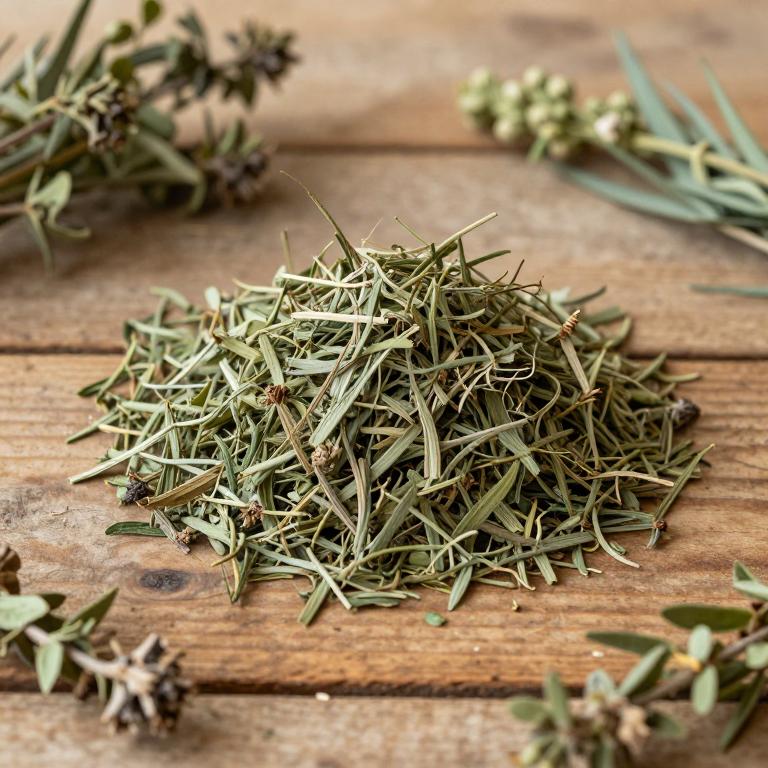
Leucaena pallida is a versatile plant species recognized for its distinct biological characteristics. The most prominent feature used in various applications is its lush, green leaf. These leaves can be harvested and processed into different preparations to harness their natural properties. Researchers and traditional practitioners often focus on these botanical elements for their potential medicinal or nutritional value. Understanding the specific uses of these leaf preparations is essential for studying the plant's full utility.
- Synonyms
- Leucaena Oaxacana · Leucaena Paniculata · 2 more
- Common names
- Not available
- Family
- Fabaceae
- Distribution
- Not available
- Plant Parts
- Leaf
Classification
Common Names
Leucaena pallida is a versatile plant known by several different regional names. Depending on the local area, it is frequently referred to by the common name Guaje Colorado. In other contexts, enthusiasts and botanists may identify it as Guaje delgado. These varying names highlight the diverse linguistic ways different communities recognize this specific species. Understanding these synonyms is essential for anyone studying the plant's widespread presence.
Sources: Catalogue of Life (COL)
Synonyms
Leucaena pallida is a complex species that is frequently identified by several different botanical names. Within taxonomic literature, this plant is recognized by the synonym Leucaena dugesiana. It is also classified under the name Leucaena oaxacana in various scientific contexts. Furthermore, researchers often encounter it listed as Leucaena paniculata or as the subspecies Leucaena esculenta subsp. paniculata. Understanding these overlapping nomenclatures is essential for accurate botanical identification and study.
Sources: The World Checklist of Vascular Plants (WCVP)
Taxonomy
Leucaena pallida is a distinctive biological entity belonging to the vast kingdom Plantae. Within this expansive kingdom, the species is classified under the class Equisetopsida. It further resides in the order Fabales, showcasing its evolutionary connections to other flowering plants. As a member of the Fabaceae family, it shares important characteristics with a diverse group of legumes. Ultimately, this plant is defined by its specific placement within the genus Leucaena.
| Rank | Classification |
|---|---|
| Kingdom | Plantae |
| Phylum | Streptophyta |
| Class | Equisetopsida |
| Subclass | Magnoliidae |
| Order | Fabales |
| Family | Fabaceae |
| Genus | Leucaena |
Sources: The World Checklist of Vascular Plants (WCVP)
Distribution
Geographic Regions
Leucaena pallida is a botanical species primarily recognized for its presence across Northern America. Within this broader region, it maintains a notable footprint throughout the diverse landscapes of Mexico. Its distribution becomes even more specific as it thrives particularly well within the unique ecosystems of Southwest Mexico. Understanding these geographical patterns is essential for studying the plant's ecological role in these warm environments. Consequently, this species serves as a key indicator of the environmental conditions found in these specific latitudes.
Sources: The World Checklist of Vascular Plants (WCVP)
Identification
Morphology
Leucaena pallida is a self-supporting tree that establishes a sturdy presence in its environment. This species maintains a compact growth form, reaching a maximum height of only 6 meters. Its structure allows it to thrive as a stable and manageable part of the local landscape.
Sources: Global Inventory of Floras and Traits (GIFT)
Biological Activities
Compounds
Conditions
Leucaena pallida demonstrates beneficial effects on reproductive health by helping to treat lesions in the testis. This plant also plays a role in treating necrosis of the seminiferous tubules in livestock. Furthermore, supplementation with Leucaena pallida is associated with the treatment of tubular degeneration. Research suggests that its use can positively impact sperm production and quality. These specific medicinal properties highlight the potential of the plant as a dietary supplement for improving male fertility.
Preparations
Leucaena pallida is prepared as leaves to be used as a nutritional supplement for livestock. In the studied experiment, these leaves were provided to Ethiopian highland rams and East African bucks in specific quantities of 200g or 400g. The supplementation process involved feeding the processed leaves alongside unchopped teff straw to observe long-term effects on testicular histology. Researchers evaluated how these leaf portions influenced the development of lesions and tubular degeneration in both sheep and goats. This specific preparation of the plant allowed for a comparative analysis of its phytochemical impact against other supplements like Sesbania sesban.
Parts used
Leucaena pallida is a plant species that has been studied for its nutritional potential when utilized as a supplementary feed for livestock. Specifically, researchers examined the long-term effects of providing the leaves of this plant to Ethiopian highland rams and East African bucks. The study focused on how varying amounts of these leaves, ranging from 200g to 400g, influenced testicular histology. Observations indicated that while certain doses could induce levels of tubular degeneration, the impact varied depending on the specific animal species. Ultimately, the findings suggest that the phytochemical composition of the Leucaena pallida leaves plays a significant role in their effect on animal health.