Leucaena collinsii
Leucaena collinsii · Accepted scientific name
Scientific literature: Very Sparse (1 studies) · ★☆☆☆☆
, scientifically known as Leucaena collinsii, is a remarkable medicinal plant valued for its diverse therapeutic potential. Often found in specific tropical habitats, this species is recognized in traditional medicine for its bioactive properties. Exploring its pharmacological applications offers promising insights into developing natural treatments for various health conditions.
- Family
- Fabaceae
- Native range
- Northern America
- Parts used
- Not available
- Common names
- Not available
- Scientific synonyms
- Leucaena Esculenta Subsp. Collinsii
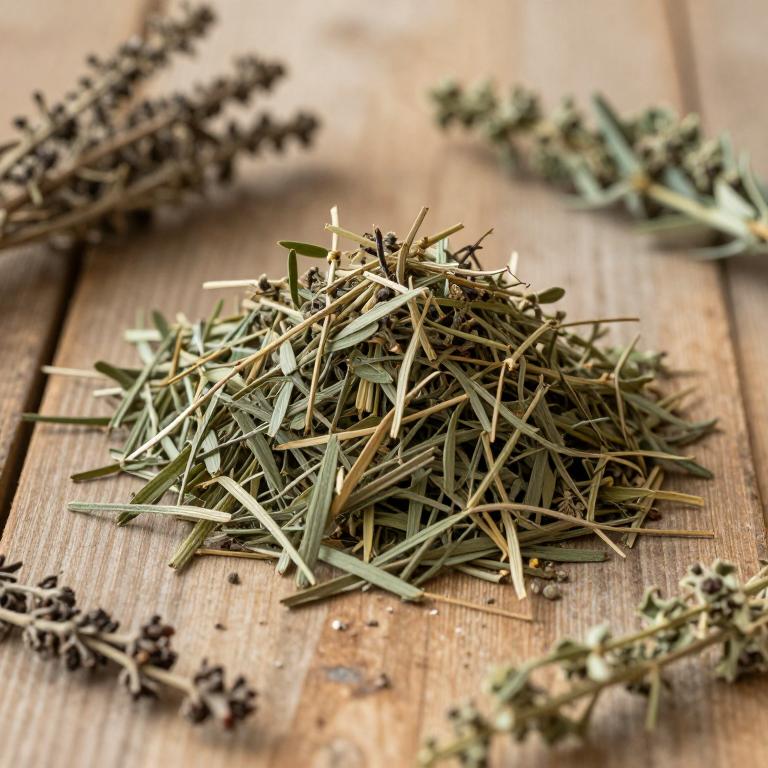
Names and Synonyms
Scientific Names
Accepted name
Leucaena collinsiiSynonyms
- Leucaena esculenta subsp. collinsii
Regional and Traditional Names
Spanish:
- guaje
Sources: Wikidata, Catalogue of Life
Taxonomical Classification
This plant belongs to the kingdom Plantae within the phylum Streptophyta and the class Equisetopsida. It is further classified under the subclass Magnoliidae and the order Fabales, falling into the family Fabaceae. Finally, it is identified by the genus Leucaena and the specific species name collinsii.
| Rank | Classification |
|---|---|
| Kingdom | Plantae |
| Phylum | Streptophyta |
| Class | Equisetopsida |
| Subclass | Magnoliidae |
| Order | Fabales |
| Family | Fabaceae |
| Genus | Leucaena |
Sources: The World Checklist of Vascular Plants (WCVP)
Distribution
This plant, Leucaena collinsii, exhibits a specific range within the country of Mexico. Its native presence is primarily concentrated in two distinct regions of the nation. Specifically, the species can be found growing throughout Mexico Southwest. Additionally, its distribution extends into the area of Mexico Southeast. These two geographical zones define the known habitat for this medicinal plant.
| Region | Area |
|---|---|
| Mexico | Mexico Southwest |
| Mexico | Mexico Southeast |
Sources: The World Checklist of Vascular Plants (WCVP)
Botanical Identification
Life history
The life history of Leucaena collinsii is characterized by its classification as a perennial species, allowing it to persist through multiple growing seasons. Throughout its developmental stages, the plant exhibits a deciduous habit, meaning it undergoes a seasonal shedding of its foliage.
- Deciduousness :
- deciduous
- Lifecycle :
- perennial
Morphology
The morphology of Leucaena collinsii is characterized by its robust growth form as a woody tree, reaching an average plant height of approximately 12 m. It is a terrestrial species that functions as an independent organism, neither acting as a parasite nor an epiphyte. In terms of its structural habit, the plant is self-supporting rather than behaving as a liana or vine, maintaining a stable upright posture through its woody development.
- Aquatic :
- terrestrial
- Climber :
- self-supporting
- Epiphyte :
- terrestrial
- Growth form :
- tree
- Parasite :
- independent
- Plant height mean:
- 12 m
- Woodiness :
- woody
Physiology
The physiology of Leucaena collinsii is characterized by a highly efficient symbiotic relationship with nitrogen-fixing bacteria, typically belonging to the Rhizobium genus, which allows the plant to function as a nitrogen fixer. Through the formation of specialized root nodules, the plant facilitates the biological nitrogen fixation process, converting atmospheric nitrogen into ammonia that can be readily assimilated into organic compounds for growth and development. This metabolic capability provides a significant physiological advantage, particularly in nutrient-poor soils, as it reduces the plant's dependency on exogenous soil nitrogen. This internal nitrogen sourcing supports robust protein synthesis and chlorophyll production, driving high photosynthetic efficiency and enabling the plant to maintain vigorous vegetative growth and reproductive cycles even in nitrogen-limited environments.
- Nitrogen fixer :
- yes
Reproduction
The reproduction of Leucaena collinsii is driven by biotic mechanisms, characterized by a pollination syndrome that relies heavily on biological agents rather than abiotic factors. The reproductive process is primarily facilitated through biotic pollination, where living organisms serve as the essential vectors for pollen transfer. Specifically, the plant exhibits an insect-mediated pollination syndrome, utilizing various insect species to ensure successful fertilization. This interaction involves a diverse range of insect visitors, such as bees, beetles, ants, butterflies, moths, and flies, which play a critical role in the movement of pollen between flowers to achieve genetic exchange.
- Pollination syndrome :
- insect
- Pollination syndrome :
- biotic
Sources: Global Inventory of Floras and Traits (GIFT)
Activities
Leucaena collinsii has 1 reported activities identified across 0 scientific publications and several other databases. The most consistently reported activities include Antioxidant.
| Activity | Supporting sources | Consensus |
|---|---|---|
| Antioxidant | 1 supporting sources | ★☆☆☆☆ |
Antioxidant
- Plants (Basel, Switzerland)