Tea Trees
Leptospermum · Accepted scientific name
Scientific literature: Very Sparse (14 studies) · ★☆☆☆☆
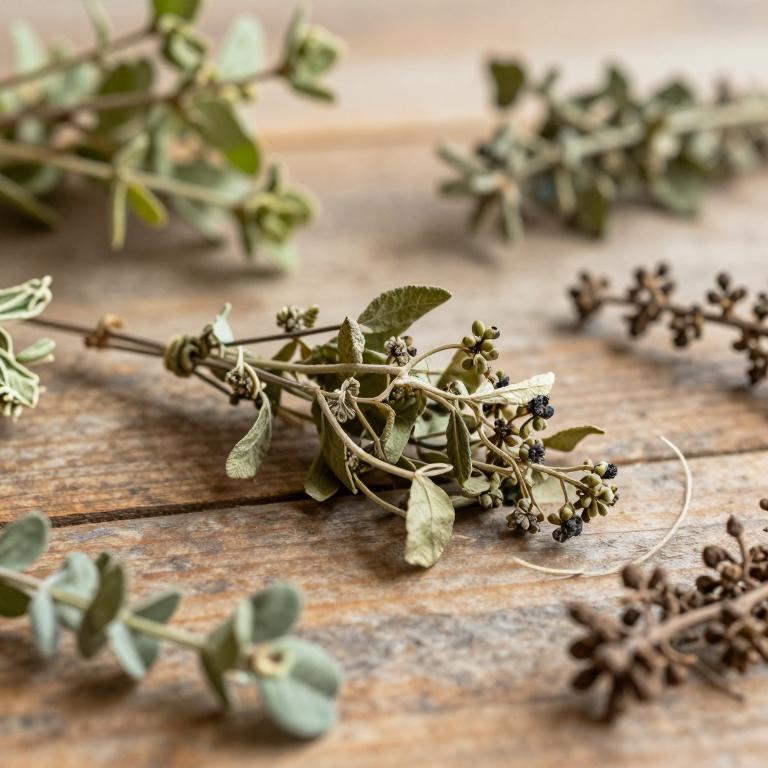
Tea Trees, scientifically known as Leptospermum, is a diverse genus of shrubs and trees native to Australia and New Zealand. Renowned for their potent essential oils, these plants possess remarkable antimicrobial and healing properties. Often used in traditional medicine, they remain a cornerstone of natural skincare and holistic wellness.
Names and Synonyms
Common Names
- Tea Trees
- Tea-trees
- Tea Tree
Scientific Names
Accepted name
LeptospermumSynonyms
- Glaphyria
- Agonomyrtus
- Macklottia
Regional and Traditional Names
Spanish:
- Leptospermosis
- Leptospermopsis
- Glaphyria
- Agonomyrtus
- Fabricia
- Macklottia
Sources: Wikidata, Catalogue of Life
Taxonomical Classification
This plant belongs to the kingdom Plantae and the phylum Streptophyta, falling under the class Equisetopsida and subclass Magnoliidae. Within the order Myrtales and the family Myrtaceae, it is classified under the genus Leptospermum.
| Rank | Classification |
|---|---|
| Kingdom | Plantae |
| Phylum | Streptophyta |
| Class | Equisetopsida |
| Subclass | Magnoliidae |
| Order | Myrtales |
| Family | Myrtaceae |
| Genus | Leptospermum |
Sources: The World Checklist of Vascular Plants (WCVP)
Distribution
This plant exhibits a diverse geographical distribution spanning several continents and oceanic regions. In Northern Europe, its presence can be documented within Great Britain. The species is also found across the Macaronesian islands, specifically in the Azores and Madeira. Moving toward the African continent, it is located in East Tropical Africa. Within this region, its range extends to include both Kenya and Uganda.
| Region | Area |
|---|---|
| Northern Europe | Great Britain |
| Macaronesia | Azores |
| Macaronesia | Madeira |
| East Tropical Africa | Kenya |
| East Tropical Africa | Uganda |
| Indo-China | Myanmar |
| Indo-China | Thailand |
| Malesia | Borneo |
| Malesia | Jawa |
| Malesia | Lesser Sunda Is. |
Sources: The World Checklist of Vascular Plants (WCVP)
Plant Parts
Leptospermum has 1 reported plant parts identified across 1 scientific publications and several other databases that are studied for medicinal purposes. The most consistently reported plant part include leaf.
| Plant part | Supporting sources | Consensus |
|---|---|---|
| Leaf | 1 supporting sources | ★☆☆☆☆ |
Leaf
- Chemistry & biodiversity
Chemicals
Leptospermum has 8 reported phytochemicals identified across 1 scientific publications and several other databases. The most consistently reported chemicals include CITRONELLAL, Citral, Cyanidin, Delphinidin, Leptosperin.
| Chemical | Supporting sources | Consensus |
|---|---|---|
| CITRONELLAL | 1 supporting sources | ★☆☆☆☆ |
| Citral | 1 supporting sources | ★☆☆☆☆ |
| Cyanidin | 1 supporting sources | ★☆☆☆☆ |
| Delphinidin | 1 supporting sources | ★☆☆☆☆ |
| Leptosperin | 1 supporting sources | ★☆☆☆☆ |
| ellagic acid | 1 supporting sources | ★☆☆☆☆ |
| myricetin | 1 supporting sources | ★☆☆☆☆ |
| quercetin | 1 supporting sources | ★☆☆☆☆ |
CITRONELLAL
- Chemistry & biodiversity
Citral
- Chemistry & biodiversity
Cyanidin
- Chemistry & biodiversity
Delphinidin
- Chemistry & biodiversity
Leptosperin
- Chemistry & biodiversity
ellagic acid
- Chemistry & biodiversity
myricetin
- Chemistry & biodiversity
quercetin
- Chemistry & biodiversity
Activities
Leptospermum has 1 reported activities identified across 1 scientific publications and several other databases. The most consistently reported activities include Anticancer.
| Activity | Supporting sources | Consensus |
|---|---|---|
| Anticancer | 1 supporting sources | ★☆☆☆☆ |
Anticancer
- Chemistry & biodiversity
Conditions
Leptospermum has 4 reported investigations on conditions identified across 1 scientific publications and several other databases. The most consistently reported conditions include constipation, fever, inflammation, skin.
| Condition | Supporting sources | Consensus |
|---|---|---|
| Constipation | 1 supporting sources | ★☆☆☆☆ |
| Fever | 1 supporting sources | ★☆☆☆☆ |
| Inflammation | 1 supporting sources | ★☆☆☆☆ |
| Skin | 1 supporting sources | ★☆☆☆☆ |
Constipation
- Chemistry & biodiversity
Fever
- Chemistry & biodiversity
Inflammation
- Chemistry & biodiversity
Skin
- Chemistry & biodiversity
Preparations
Leptospermum has 2 reported preparations identified across 1 scientific publications and several other databases. The most consistently reported preparations include essential oils, extracts.
| Preparation | Supporting sources | Consensus |
|---|---|---|
| Essential oils | 1 supporting sources | ★☆☆☆☆ |
| Extracts | 1 supporting sources | ★☆☆☆☆ |
Essential oils
- Chemistry & biodiversity
Extracts
- Chemistry & biodiversity