Leptocarpha rivularis
Leptocarpha rivularis · Accepted scientific name
Scientific literature: Very Sparse (7 studies) · ★☆☆☆☆
Leptocarpha rivularis, scientifically known as Leptocarpha rivularis, is a medicinal plant valued for its diverse therapeutic properties. Often found in specific tropical habitats, it is traditionally utilized in various folk remedies to address inflammatory conditions and digestive ailments, offering significant potential for modern pharmacological research and natural healing.
- Family
- Asteraceae
- Native range
- Southern America
- Parts used
- Not available
- Common names
- Not available
- Scientific synonyms
- Helianthus Rivularis
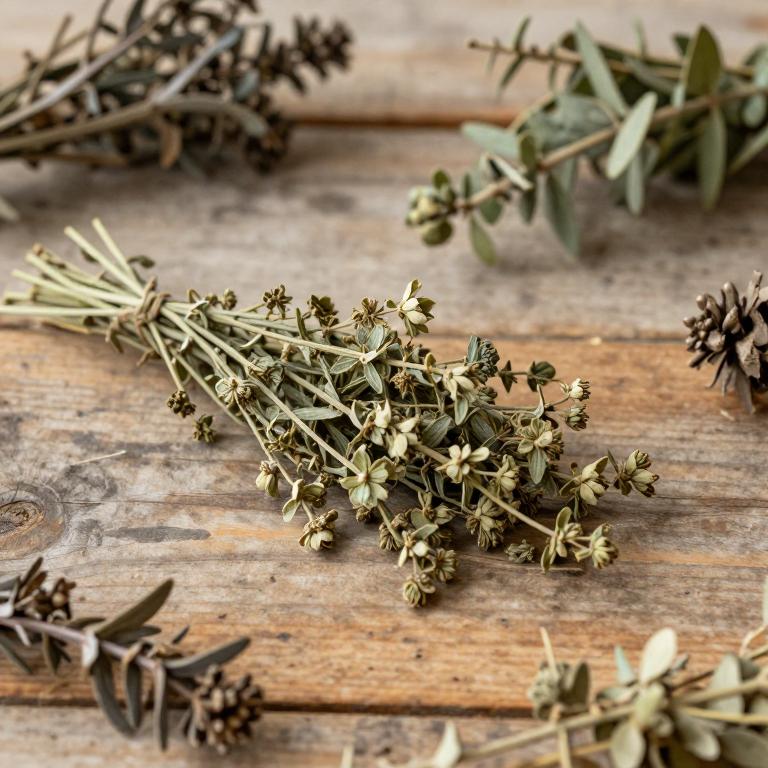
Names and Synonyms
Scientific Names
Accepted name
Leptocarpha rivularisSynonyms
- Helianthus rivularis
Regional and Traditional Names
Spanish:
- Palo negro
Sources: Wikidata, Catalogue of Life
Taxonomical Classification
This plant belongs to the kingdom Plantae and is classified under the phylum Streptophyta and the class Equisetopsida. Within the subclass Magnoliidae, it is further organized into the order Asterales and the family Asteraceae. Finally, it is identified by its specific genus, Leptocarpha.
| Rank | Classification |
|---|---|
| Kingdom | Plantae |
| Phylum | Streptophyta |
| Class | Equisetopsida |
| Subclass | Magnoliidae |
| Order | Asterales |
| Family | Asteraceae |
| Genus | Leptocarpha |
Sources: The World Checklist of Vascular Plants (WCVP)
Distribution
This plant is characterized by a very specific and limited geographical range. Its natural habitat is located within the southern regions of South America. More specifically, the species is native to the central part of Chile. This restricted distribution suggests that the plant thrives under particular local environmental conditions. Consequently, its presence is primarily concentrated within this particular South American territory.
| Region | Area |
|---|---|
| Southern South America | Chile Central |
Sources: The World Checklist of Vascular Plants (WCVP)
Botanical Identification
Ecology
The ecology of Leptocarpha rivularis is defined by its distribution across a broad altitudinal gradient, allowing it to occupy diverse landscape positions. This species is found within an elevational range that begins at sea level (0 m AMSL) and extends up to a maximum altitude of 1000 m AMSL. This vertical range suggests an ability to adapt to various climatic zones, ranging from lowland tropical or subtropical environments to mid-elevation habitats. Its presence across these varying heights indicates a versatile ecological niche, likely influenced by moisture availability and soil conditions characteristic of the different elevations it inhabits.
- Elevational range max:
- 1000 m AMSL
- Elevational range min:
- 0 m AMSL
Life history
The life history of Leptocarpha rivularis is characterized by its status as a perennial species, allowing the plant to persist through multiple growing seasons. This longevity enables the organism to establish a stable presence within its specific ecological niche, often characterized by riparian or moist environments. As a perennial, it avoids the complete cycle of death and germination required by annuals, instead focusing on sustained vegetative growth and periodic reproductive phases. This life cycle strategy facilitates long-term survival and the ability to recover from seasonal environmental fluctuations, ensuring a continuous contribution to the local ecosystem over several years.
- Lifecycle :
- perennial
Morphology
The morphology of Leptocarpia rivularis is characterized by its growth form as a woody shrub, exhibiting a self-supporting structural habit. While it can inhabit various environments, its ecological classification encompasses aquatic, semiaquatic, and terrestrial habitats, often appearing in moist or riparian settings. As a non-climbing species, it functions as a self-supporting plant rather than an obligatory or facultative climber. It maintains an independent nutritional strategy, functioning as an independent organism rather than a parasite, and it grows as a terrestrial plant rather than an epiphyte. The plant's physical constitution is distinctly woody, providing the necessary rigidity for its shrubby architecture.
- Aquatic :
- terrestrial
- Climber :
- self-supporting
- Epiphyte :
- terrestrial
- Growth form :
- shrub
- Parasite :
- independent
- Woodiness :
- woody
Sources: Global Inventory of Floras and Traits (GIFT)
Chemicals
Leptocarpha rivularis has 4 reported phytochemicals identified across 0 scientific publications and several other databases. The most consistently reported chemicals include Flavonoids, Leptocarpin, Oxylipins, Sesquiterpenes.
| Chemical | Supporting sources | Consensus |
|---|---|---|
| Flavonoids | 1 supporting sources | ★☆☆☆☆ |
| Leptocarpin | 1 supporting sources | ★☆☆☆☆ |
| Oxylipins | 1 supporting sources | ★☆☆☆☆ |
| Sesquiterpenes | 1 supporting sources | ★☆☆☆☆ |
Flavonoids
- Journal of enzyme inhibition and medicinal chemistry
Leptocarpin
- Planta medica
Oxylipins
- Journal of enzyme inhibition and medicinal chemistry
Sesquiterpenes
- Journal of enzyme inhibition and medicinal chemistry
Activities
Leptocarpha rivularis has 1 reported activities identified across 0 scientific publications and several other databases. The most consistently reported activities include Antioxidant.
| Activity | Supporting sources | Consensus |
|---|---|---|
| Antioxidant | 1 supporting sources | ★☆☆☆☆ |
Antioxidant
- Journal of enzyme inhibition and medicinal chemistry
Conditions
Leptocarpha rivularis has 2 reported investigations on conditions identified across 0 scientific publications and several other databases. The most consistently reported conditions include cancer, neurodegenerative diseases.
| Condition | Supporting sources | Consensus |
|---|---|---|
| Cancer | 1 supporting sources | ★☆☆☆☆ |
| Neurodegenerative diseases | 1 supporting sources | ★☆☆☆☆ |
Cancer
- Cancers
Neurodegenerative diseases
- Journal of enzyme inhibition and medicinal chemistry