Lepidium spinosum
Lepidium spinosum · Accepted scientific name
Scientific literature: Very Sparse (28 studies) · ★☆☆☆☆
Lepidium spinosum is a versatile botanical species known for its diverse pharmacological profile, offering antioxidant, antispasmodic, laxative, and analgesic activities. The plant contains a rich chemical composition, including glucosinolates, anthraquinones, and specific alkanes such as 10-methylnonadecane and 2-methylhexacosane. Various parts of the plant, specifically the leaves, roots, and seeds, are utilized to address health conditions ranging from anemia and bone fractures to diuretic needs. Scientific investigations often utilize different preparations, such as ethyl acetate, n-butanol, and n-hexane extracts, to isolate these beneficial compounds. Through these various extraction methods, the medicinal potential of this plant is continuously explored for therapeutic applications.
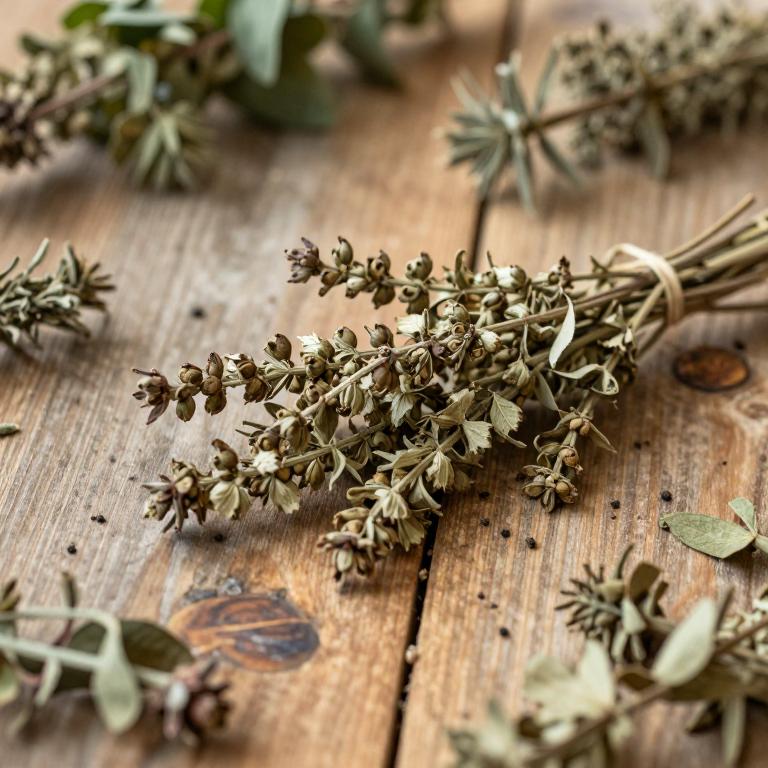
- Synonyms
- Andreoskia Cardaminifolia · Thlaspi Spinosum · 6 more
- Common names
- Not available
- Family
- Brassicaceae
- Distribution
- Not available
- Plant Parts
- Seed · Leaf
Classification
Common Names
Lepidium spinosum is a distinct plant species recognized by several different names depending on the linguistic context. In English-speaking regions, it is frequently referred to by the common name taggkrassing. Within Hebrew-speaking communities, the plant is also known by the local name שחליים קוצניים. These varied designations highlight the diverse ways in which different cultures identify this specific vegetation. Understanding these naming relationships is essential for accurate botanical identification across different geographical areas.
Sources: Catalogue of Life (COL)
Synonyms
Lepidium spinosum is a botanical species that has been identified through various taxonomic classifications over time. Scientific literature recognizes several synonyms for this plant, including the names Andreoskia cardaminifolia and Andrzeiowskia cardaminifolia. It has also been historically referred to in botanical studies as Capsella spinosa. Furthermore, the species is linked to the nomenclature of Lepidium carrerasii and Lepidium cornutum. Understanding these diverse synonyms is essential for researchers tracking the evolutionary history of the plant.
Sources: The World Checklist of Vascular Plants (WCVP)
Taxonomy
Lepidium spinosum is a unique member of the kingdom Plantae that displays a distinct botanical lineage. This plant belongs to the class Equisetopsida and is categorized under the order Brassicales. Within this classification, it is a prominent representative of the family Brassicaceae. Furthermore, it is situated specifically within the genus Lepidium. Understanding these biological relationships provides essential insight into the evolutionary placement of this species.
| Rank | Classification |
|---|---|
| Kingdom | Plantae |
| Phylum | Streptophyta |
| Class | Equisetopsida |
| Subclass | Magnoliidae |
| Order | Brassicales |
| Family | Brassicaceae |
| Genus | Lepidium |
Sources: The World Checklist of Vascular Plants (WCVP)
Distribution
Geographic Regions
Lepidium spinosum is a plant species primarily distributed throughout the Asia-Temperate region. Its presence is notably concentrated across Western Asia, where it inhabits diverse geographical landscapes. Specifically, this species can be found spanning from the East Aegean Islands to the coastal areas of Cyprus. Its range further extends through the Levant, including Lebanon, Syria, and Palestine. Additionally, the plant is well-established within the borders of Türkiye, completing its regional footprint.
Sources: The World Checklist of Vascular Plants (WCVP)
Identification
Morphology
Lepidium spinosum is a distinctive herb characterized by its compact and low-growing structure. This plant typically maintains a modest stature, reaching a maximum height of only 0.5 meters. Depending on its environmental conditions, its growth generally ranges from a minimum of 0.25 meters.
Sources: Global Inventory of Floras and Traits (GIFT)
Biological Activities
Lepidium spinosum possesses a diverse range of biological activities that contribute to its medicinal value. Research indicates that the plant exhibits significant antioxidant properties, which help protect cells from oxidative damage. Furthermore, it demonstrates antispasmodic effects, making it useful for managing abdominal cramps and muscle contractions. The plant also functions as a laxative, providing a natural way to support digestive health and relieve constipation. Finally, its documented analgesic and antianemic activities highlight its potential for pain management and improving blood health.
Compounds
Lepidium spinosum is characterized by a diverse phytochemical profile that includes several significant bioactive compounds. This plant contains glucosinolates and flavonoids, which contribute to its extensive medicinal and functional potential. Detailed chemical analysis further reveals the presence of specific alkanes, namely 10-Methylnonadecane and 2-Methylhexacosane. Additionally, the plant contains anthraquinones, which may play a role in its various biological activities. Together, these constituents highlight the complex chemical makeup of the species.
Conditions
Lepidium spinosum, referred to in the texts as Lepidium sativum, possesses significant antioxidant properties that help reduce oxidative stress and scavenge free radicals. This plant is also utilized for its antidiabetic effects, as its alkaloids can help manage blood glucose levels and improve insulin sensitivity. Research indicates it can treat anemia by preventing the fall of packed cell volume and improving overall blood health. Its antimicrobial activities are well-documented, particularly when used in the green synthesis of nanoparticles to combat various pathogens. Additionally, the plant is traditionally used to treat bone fractures and demonstrates osteoprotective actions that enhance bone strength and healing.
Preparations
Lepidium spinosum is prepared as extracts to facilitate various medicinal and biological studies. These preparations include 80% methanol and n-hexane extracts used for evaluating larvicidal activities. Furthermore, the plant is prepared as EAE (ethyl acetate extract) and EButOH (n-butanol extract) to test for antioxidant potential. Research also involves the use of Lepidium spinosum prepared as a crude extract for analyzing hemolytic effects.
Parts used
Lepidium spinosum is a plant characterized by several distinct anatomical components that contribute to its medicinal profile. Specifically, the plant features specialized seeds that are recognized for their high nutritional value and diverse pharmacological properties. In addition to the seeds, the leaves serve as a vital part of the plant and are frequently utilized in various botanical extracts. The root also constitutes a significant part of the organism, housing essential biological materials. Together, these components—the seeds, leaves, and roots—make the plant a versatile subject for therapeutic research.