Lepidium pinnatifidum
Lepidium pinnatifidum · Accepted scientific name
Scientific literature: Very Sparse (0 studies) · ★☆☆☆☆
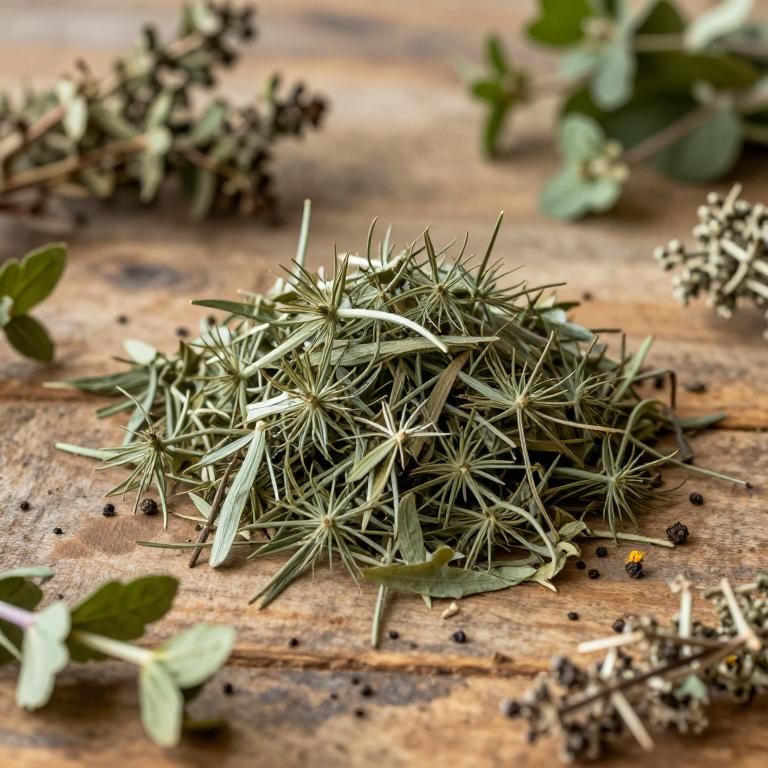
Lepidium pinnatifidum, commonly known as pepperweed, is a perennial herb that holds significant interest in ethnobotanical studies. Recent scientific investigations have focused on evaluating the therapeutic potential of this plant through various chemical analyses. Researchers have specifically examined the antioxidant activity present within different botanical preparations. By utilizing concentrated extracts, studies aim to quantify the capacity of the plant to neutralize free radicals. Understanding these properties provides valuable insights into the medicinal utility of this species.
- Synonyms
- Nasturtium Pinnatifidum · Nasturtium Fastigiatum · 2 more
- Common names
- Not available
- Family
- Brassicaceae
- Distribution
- Southern America
- Plant Parts
- Not available
Classification
Common Names
Lepidium pinnatifidum is a unique botanical species known by several different names across various languages and regions. In English-speaking areas, it is frequently referred to as either Featherleaf pepperweed or Wayside pepper grass. Its global presence is further reflected in its diverse nomenclature, such as the Russian name Клоповник перистый. Similarly, the plant is identified in Japan as ニセマメグンバイナズナ. These various common names highlight the widespread recognition of this plant throughout different cultures.
Sources: Catalogue of Life (COL)
Synonyms
Lepidium pinnatifidum is a species known to be associated with several different botanical names due to various taxonomic classifications. It is recognized by the synonym Lepidium fastigiatum, reflecting historical shifts in its naming conventions. The plant is also linked to Lepidium neubaueri, showcasing the complexity of its botanical lineage. Furthermore, researchers have previously categorized it under the genus Nasturtium, specifically as Nasturtium fastigiatum. Finally, it is identified through the synonym Nasturtium pinnatifidum, illustrating the diverse nomenclature used to describe this single organism.
Sources: The World Checklist of Vascular Plants (WCVP)
Taxonomy
Lepidium pinnatifidum is a distinctive species belonging to the kingdom Plantae. Within this vast biological realm, it is specifically classified under the class Equisetopsida. The plant is further categorized into the order Brassicales, which highlights its evolutionary lineage. It falls under the family Brassicaceae, a group known for many well-known flowering plants. Finally, this species is defined by its placement within the genus Lepidium.
| Rank | Classification |
|---|---|
| Kingdom | Plantae |
| Phylum | Streptophyta |
| Class | Equisetopsida |
| Subclass | Magnoliidae |
| Order | Brassicales |
| Family | Brassicaceae |
| Genus | Lepidium |
Sources: The World Checklist of Vascular Plants (WCVP)
Distribution
Geographic Regions
Lepidium pinnatifidum is a plant species primarily distributed across the temperate regions of Asia. Its natural range extends through the Caucasus and Transcaucasus, establishing a presence in these unique geographical zones. Moving further east, the species is widely found throughout Central Asia, spanning across Kazakhstan. It also thrives within the diverse landscapes of Tadzhikistan and Turkmenistan. This broad distribution highlights the plant's ability to adapt to various environments within the Asian temperate belt.
Sources: The World Checklist of Vascular Plants (WCVP)
Identification
Morphology
Lepidium pinnatifidum is characterized by its distinct growth form as a herbaceous plant. This species grows as a self-supporting herb, standing independently within its natural habitat.
Sources: Global Inventory of Floras and Traits (GIFT)
Biological Activities
Compounds
Conditions
Lepidium pinnatifidum exhibits superlative antioxidant activity through total antioxidant capacity, total reducing power, and DPPH scavenging activity. This plant also demonstrates significant biological influence by showing the highest allelopathic potential during phytotoxicity assays. Specifically, its extracts were found to be highly effective in the radish seed bioassay used to measure phytotoxic effects. These dual capabilities highlight the plant's potent chemical impact on both oxidative stress and plant growth inhibition. Consequently, the biochemical profile of Lepidium pinnatifidum makes it a standout specimen for both antioxidant and phytotoxic studies.
Preparations
Lepidium pinnatifidum is prepared as extracts using benzene, chloroform, and methanol to facilitate various phytochemical investigations. These specific plant extracts were utilized to evaluate diverse biological activities, including antioxidant, phytotoxic, and cytotoxic properties. The study highlights that the methanol-based extracts of this species yielded superior results compared to other solvents. Notably, the extracts of Lepidium pinnatifidum demonstrated superlative antioxidant activity and the highest allelopathic potential during phytotoxicity assays. Through these preparation methods, the plant's high concentrations of phenolics and flavonoids were successfully analyzed.