Lepidagathis cephalotes var. cephalotes
Lepidagathis cephalotes var. cephalotes · Accepted scientific name
Scientific literature: Very Sparse (0 studies) · ★☆☆☆☆
Lepidagathis cephalotes var. cephalotes is a distinct botanical variety known for its unique morphological characteristics. This specific plant is frequently studied for its complex chemical composition found within its foliage. Researchers often focus on the leaf as the primary source of bioactive compounds for pharmacological investigation. To isolate these essential constituents, the preparation of a methanolic extract is commonly employed. Such extraction methods allow for a detailed analysis of the plant's potential therapeutic properties.
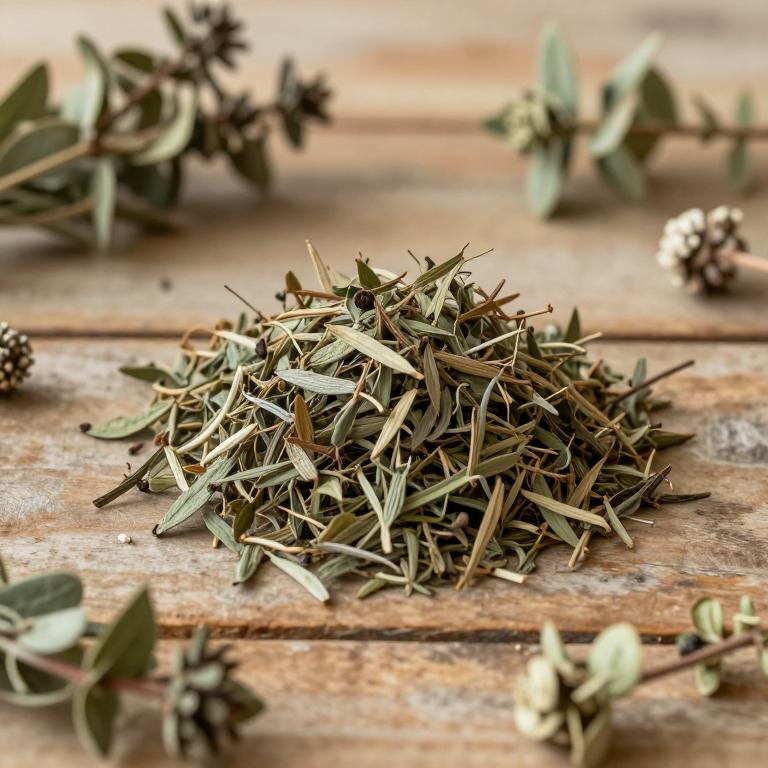
- Synonyms
- Lepidagathis Incurva Var. Mollis · Lepidagathis Ustulata · 10 more
- Common names
- Not available
- Family
- Acanthaceae
- Distribution
- Africa
- Plant Parts
- Leaf
Classification
Synonyms
Lepidagathis cephalotes var. cephalotes is a botanical taxon that is closely associated with several scientific synonyms. Most notably, this variety is identified with the synonym Lepidagathis hyalina, a connection that extends to various specific forms. These include the distinct subspecies Lepidagathis hyalina var. mollis, var. semiherbacea, and var. ustulata. Furthermore, the plant is also linked to the synonym Lepidagathis incurva within taxonomic records. Understanding these overlapping names is essential for accurate classification and botanical study.
Sources: The World Checklist of Vascular Plants (WCVP)
Taxonomy
Lepidagathis cephalotes var. cephalotes belongs to the vast biological kingdom Plantae. Within this expansive group, it is classified under the class Equisetopsida. This specific variety is further organized into the order Lamiales to define its evolutionary lineage. It further resides within the diverse family Acanthaceae, which characterizes its unique biological traits. Ultimately, this plant is identified by its specific genus, Lepidagathis, marking its place in the natural world.
| Rank | Classification |
|---|---|
| Kingdom | Plantae |
| Phylum | Streptophyta |
| Class | Equisetopsida |
| Subclass | Magnoliidae |
| Order | Lamiales |
| Family | Acanthaceae |
| Genus | Lepidagathis |
Sources: The World Checklist of Vascular Plants (WCVP)
Distribution
Geographic Regions
Lepidagathis cephalotes var. cephalotes displays a broad and diverse geographical range across the Asian continent. Within the temperate regions of China, this variety can be found spanning from the south-central provinces to the southeast. Its presence further extends to the tropical island of Hainan, showcasing its adaptability to different climates. Moving into the tropical zones of the Indian Subcontinent, the plant is well-established in areas such as Assam. Additionally, its distribution reaches into Bangladesh, completing a widespread footprint across both temperate and tropical Asian landscapes.
Sources: The World Checklist of Vascular Plants (WCVP)
Identification
Biological Activities
Compounds
Conditions
Lepidagathis cephalotes var. cephalotes exhibits significant medicinal potential through its ability to treat various plant pathogenic bacteria and fungi. This biological efficacy is linked to the presence of specialized compounds like triterpenoid saponins found within the genus. Specifically, a newly isolated saponin from the leaves of related species has demonstrated potent antimicrobial activity against these diverse plant pathogens. The chemical structure of such active components plays a crucial role in inhibiting the growth of harmful microorganisms. Consequently, these plant extracts serve as a natural defense mechanism against various fungal and bacterial diseases.
Preparations
Lepidagathis cephalotes var. cephalotes is prepared as a methanolic extract for scientific study. This specific preparation method allows for the isolation of various bioactive compounds from the plant material. While the provided abstract focuses on Lepidagathis hyalina, the process of creating a methanolic extract remains a key procedure for this genus. Such extracts are essential for identifying complex triterpenoid saponins within the plant's leaves. Through this extraction, researchers can evaluate the antimicrobial potential of the resulting chemical fractions.
Parts used
Lepidagathis cephalotes var. cephalotes possesses a distinct leaf structure that serves as a vital component of its biological makeup. While research into related species like Lepidagathis hyalina focuses on extracting specialized compounds, the importance of the leaf remains a central theme in botanical studies. For instance, scientists have successfully isolated a new biologically active triterpenoid saponin from the leaves of the hyalina variety. This specific compound demonstrated significant antimicrobial activity against various pathogenic bacteria and fungi during testing. Such findings highlight how the leaf parts of this genus are essential for discovering potent medicinal properties.