Lepechinia mutica
Lepechinia mutica · Accepted scientific name
Scientific literature: Very Sparse (10 studies) · ★☆☆☆☆
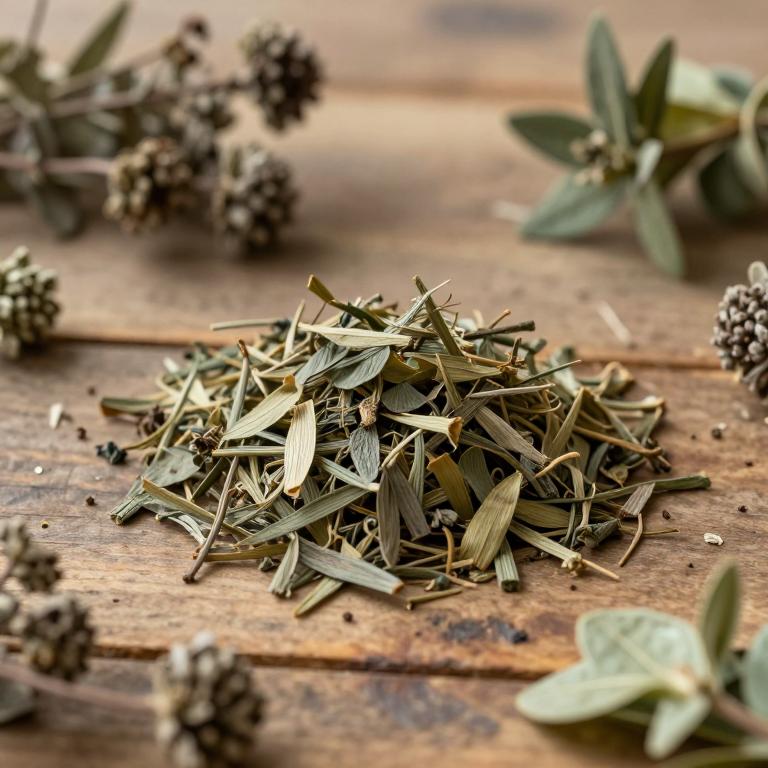
Scientifically known as Lepechinia mutica, is a distinctive medicinal plant primarily recognized for its traditional therapeutic applications. Often utilized in folk medicine, this species possesses unique phytochemical properties that contribute to its healing potential. Understanding its botanical characteristics and bioactive compounds is essential for exploring its role in natural pharmacology.
- Family
- Lamiaceae
- Native range
- Southern America
- Parts used
- Leaf
- Common names
- Not available
- Scientific synonyms
- Sphacele Mutica · Alguelagum Muticum
Names and Synonyms
Scientific Names
Accepted name
Lepechinia muticaSynonyms
- Sphacele mutica
- Alguelagum muticum
Sources: Wikidata
Taxonomical Classification
This plant belongs to the kingdom Plantae and is classified under the phylum Streptophyta and the class Equisetopsida. Within the subclass Magnoliidae, it is organized under the order Lamiales and the family Lamiaceae. Finally, its taxonomic identity is defined by the genus Lepechinia.
| Rank | Classification |
|---|---|
| Kingdom | Plantae |
| Phylum | Streptophyta |
| Class | Equisetopsida |
| Subclass | Magnoliidae |
| Order | Lamiales |
| Family | Lamiaceae |
| Genus | Lepechinia |
Sources: The World Checklist of Vascular Plants (WCVP)
Distribution
This plant is characterized by a very restricted geographical range. It is found exclusively within the region of Western South America. Specifically, its natural habitat is located in Ecuador. This localized distribution suggests that the species may be endemic to certain specific ecosystems within that nation. Consequently, conservation efforts must focus on the unique environmental conditions found in these Ecuadorian territories.
| Region | Area |
|---|---|
| Western South America | Ecuador |
Sources: The World Checklist of Vascular Plants (WCVP)
Botanical Identification
Life history
The life history of Lepechinia mutica is characterized by its specific growth strategies and structural classifications within its ecological niche. Primarily, this species functions as a phanerophyte, maintaining its photosynthetic organs above the ground level to maximize light interception. Furthermore, it exhibits characteristics of a nanophanerophyte, indicating that while it maintains a woody or perennial structure, its height remains relatively low. These life forms allow the plant to persist through seasonal changes by positioning its vital tissues in a manner that supports long-term survival and reproductive success.
- Life form :
- nanophanerophyte
- Life form :
- phanerophyte
Morphology
The morphology of Lepechinia mutica is characterized by a woody growth form, specifically manifesting as a shrub. It is a self-supporting plant, meaning it does not function as a climber, liana, or vine, nor does it rely on other structures for upward movement. In terms of its ecological positioning, it is a terrestrial species, functioning as an independent organism rather than an obligatory or facultative parasite. Furthermore, it is not an epiphyte, maintaining a strictly terrestrial existence rather than growing upon other plants as a holoepiphyte, hemiepiphyte, or any other epiphytic type. Although its habitat can sometimes border moist environments, its fundamental classification within its growth habit and life strategy is that of a terrestrial, self-supporting, woody shrub.
- Aquatic :
- terrestrial
- Climber :
- self-supporting
- Epiphyte :
- terrestrial
- Growth form :
- shrub
- Parasite :
- independent
- Woodiness :
- woody
Sources: Global Inventory of Floras and Traits (GIFT)
Plant Parts
Lepechinia mutica has 1 reported plant parts identified across 1 scientific publications and several other databases that are studied for medicinal purposes. The most consistently reported plant part include leaf.
| Plant part | Supporting sources | Consensus |
|---|---|---|
| Leaf | 1 supporting sources | ★☆☆☆☆ |
Leaf
- Molecules (Basel, Switzerland)
Chemicals
Lepechinia mutica has 1 reported phytochemicals identified across 1 scientific publications and several other databases. The most consistently reported chemicals include carnosol.
| Chemical | Supporting sources | Consensus |
|---|---|---|
| carnosol | 1 supporting sources | ★☆☆☆☆ |
carnosol
- Molecules (Basel, Switzerland)
Activities
Lepechinia mutica has 4 reported activities identified across 1 scientific publications and several other databases. The most consistently reported activities include Antifungal, Antimicrobial, Antioxidant, Neuroprotective.
| Activity | Supporting sources | Consensus |
|---|---|---|
| Antifungal | 1 supporting sources | ★☆☆☆☆ |
| Antimicrobial | 1 supporting sources | ★☆☆☆☆ |
| Antioxidant | 1 supporting sources | ★☆☆☆☆ |
| Neuroprotective | 1 supporting sources | ★☆☆☆☆ |
Antifungal
- Molecules (Basel, Switzerland)
Antimicrobial
- Molecules (Basel, Switzerland)
Antioxidant
- Molecules (Basel, Switzerland)
Neuroprotective
- Molecules (Basel, Switzerland)
Conditions
Lepechinia mutica has 4 reported investigations on conditions identified across 1 scientific publications and several other databases. The most consistently reported conditions include breast cancer, leukemia, prostate cancer, skin cancer.
| Condition | Supporting sources | Consensus |
|---|---|---|
| Breast cancer | 1 supporting sources | ★☆☆☆☆ |
| Leukemia | 1 supporting sources | ★☆☆☆☆ |
| Prostate cancer | 1 supporting sources | ★☆☆☆☆ |
| Skin cancer | 1 supporting sources | ★☆☆☆☆ |
Breast cancer
- Molecules (Basel, Switzerland)
Leukemia
- Molecules (Basel, Switzerland)
Prostate cancer
- Molecules (Basel, Switzerland)
Skin cancer
- Molecules (Basel, Switzerland)
Preparations
Lepechinia mutica has 2 reported preparations identified across 1 scientific publications and several other databases. The most consistently reported preparations include dried leaves, plant extracts.
| Preparation | Supporting sources | Consensus |
|---|---|---|
| Dried leaves | 1 supporting sources | ★☆☆☆☆ |
| Plant extracts | 1 supporting sources | ★☆☆☆☆ |
Dried leaves
- Molecules (Basel, Switzerland)
Plant extracts
- Molecules (Basel, Switzerland)